
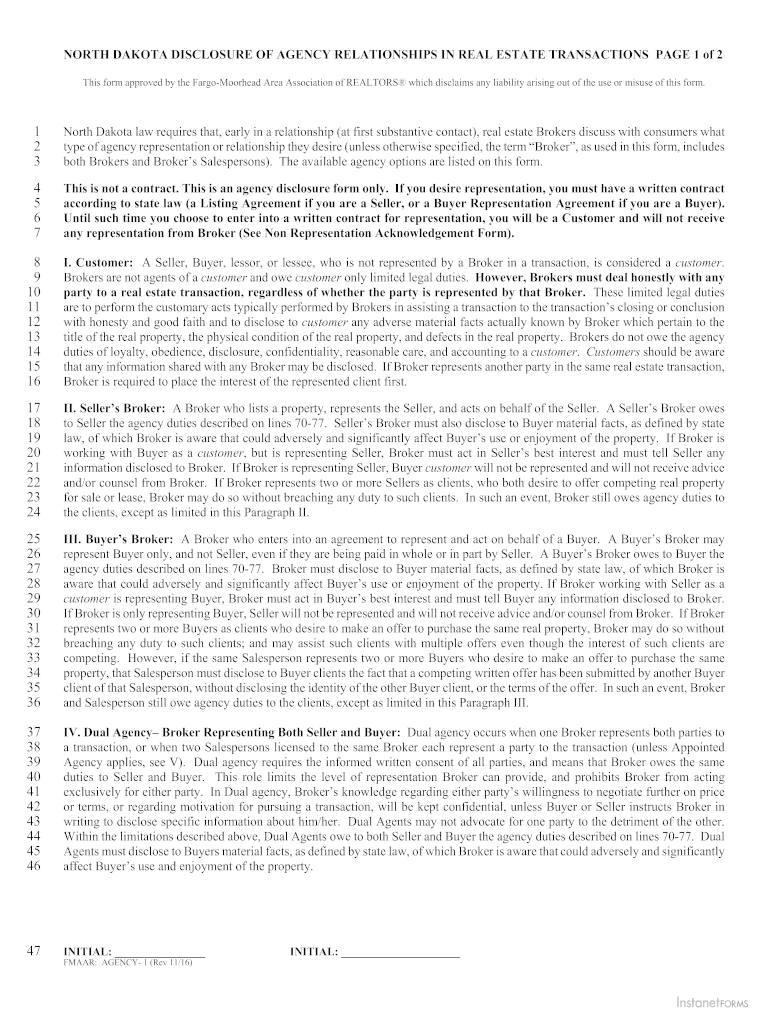







Definition & Meaning
The North Dakota Property Disclosure Statement, often referred to as the eForms version for its digital accessibility, is a critical document used in real estate transactions within the state. This form serves the purpose of disclosing any known property condition issues to potential buyers, ensuring transparency and informed decision-making. As the name suggests, it is an electronic form that can be completed and signed digitally, simplifying the traditionally paper-intensive process. The disclosure is not a warranty of any kind; rather, it provides a snapshot of the property's known issues and historical repairs.
Key Elements of the Disclosure Statement
Several key elements must be included in the North Dakota Property Disclosure Statement to make it effective and legally compliant:
- Structural Issues: Sellers must disclose any known defects in the property's structure, such as foundational problems, roof leaks, or pest infestations.
- Utilities and Appliances: Information about the condition and age of utilities and major appliances is required, including details about their functionality and any recent repairs or replacements.
- Environmental Hazards: The presence of hazardous materials such as asbestos, lead paint, or radon must be disclosed to potential buyers.
- Zoning and Legal Restrictions: Any zoning laws or restrictions that could impact the buyer's intended use of the property must be clearly stated.
- Water and Sewage Systems: Sellers must provide details on water supply systems, sewage disposal, and any existing or potential issues with these systems.
Steps to Complete the Disclosure Statement
Completing the North Dakota Property Disclosure Statement involves a series of steps to ensure accuracy and compliance:
- Gather Information: Before filling out the form, sellers should gather all relevant information regarding the property’s condition, maintenance records, and any past repairs.
- Complete the Form: Use the eForms platform to fill out the disclosure statement. This includes identifying basic property details and addressing each section comprehensively.
- Review for Accuracy: It is crucial to double-check that all provided information is accurate and complete. Sellers are responsible for misleading omissions or errors.
- Sign the Document: Using the eForms electronic signature feature, sellers can sign the document digitally to certify its completeness and accuracy.
- Provide to Potential Buyers: The completed form should be shared with potential buyers early in the negotiation process to support informed decision-making.
Legal Use of the Disclosure Statement
The legal use of the North Dakota Property Disclosure Statement involves several critical considerations:
- Timing: The disclosure statement must be provided to the buyer before the purchase agreement is finalized to allow them adequate time to review the information.
- Accuracy: Sellers are legally obligated to ensure that the information they provide is accurate to the best of their knowledge. Failure to disclose significant issues can lead to legal action by the buyer.
- Amendments: If any changes occur after the initial disclosure but before the transaction is completed, the seller must update the form and inform the buyer immediately.
Important Terms Related to the Disclosure Statement
Understanding certain terms is essential for effectively using the North Dakota Property Disclosure Statement:
- Material Fact: Refers to any detail about the property that could influence the buyer’s decision. Sellers are required to disclose all known material facts.
- As-Is: This term may be used during transactions to indicate that the buyer accepts the property with all known and unknown faults, though disclosure requirements still apply.
- Contingency: A contractual clause that must be fulfilled before the transaction can proceed, often relating to inspection results uncovered through the disclosure process.
State-Specific Rules for the Disclosure Statement
North Dakota has specific rules regarding property disclosure that differ from other states:
- Form Requirement: Unlike some states, North Dakota mandates the use of a standardized disclosure form for consistent communication in real estate transactions.
- Disclosure Content: Sellers must comply with state law regarding which elements must be disclosed, reflecting North Dakota's focus on comprehensive transparency.
- Enforcement: The North Dakota Real Estate Commission enforces compliance with disclosure laws, and penalties can be applied for false representations or failure to provide the statement.
Who Typically Uses the Disclosure Statement
The North Dakota Property Disclosure Statement is typically used by various parties involved in property transactions, including:
- Home Sellers: Individuals or entities selling residential properties utilize this form to disclose relevant information to potential buyers.
- Real Estate Agents: Agents assist sellers in completing and submitting the disclosure statement, ensuring compliance and accuracy.
- Buyers: Potential buyers evaluate this document to assess the property’s condition and make informed purchasing decisions.


Digital vs. Paper Version
As technology evolves, the digital version of the North Dakota Property Disclosure Statement has become increasingly popular:
- Digital Advantages: The eForms platform offers a user-friendly interface for completing and signing forms electronically, which enhances speed and efficiency in the transaction process.
- Security: Digital forms are protected with encryption, ensuring sensitive information is safe during transmission and storage.
- Environmentally Friendly: Using digital forms reduces paper usage, supporting environmentally sustainable practices in real estate transactions.
Examples of Using the Disclosure Statement
Practical examples can illustrate the scenarios in which the North Dakota Property Disclosure Statement is used:
- Residential Sales: A homeowner selling their property completes and shares the form with potential buyers to disclose that the basement sometimes floods during heavy rain.
- Property Rehabilitation: An investor rehabilitating and flipping houses provides disclosure to inform buyers of previous structural deficiencies that have been addressed.
- Estate Sales: In inherited property cases, executors use the form to disclose known issues, ensuring transparency and compliance with state laws.




