



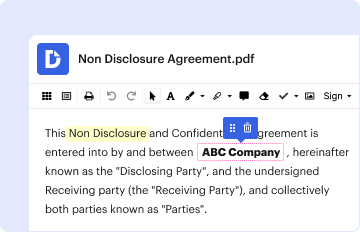
01. Edit your alternative minimum tax 2022 online
Type text, add images, blackout confidential details, add comments, highlights and more.

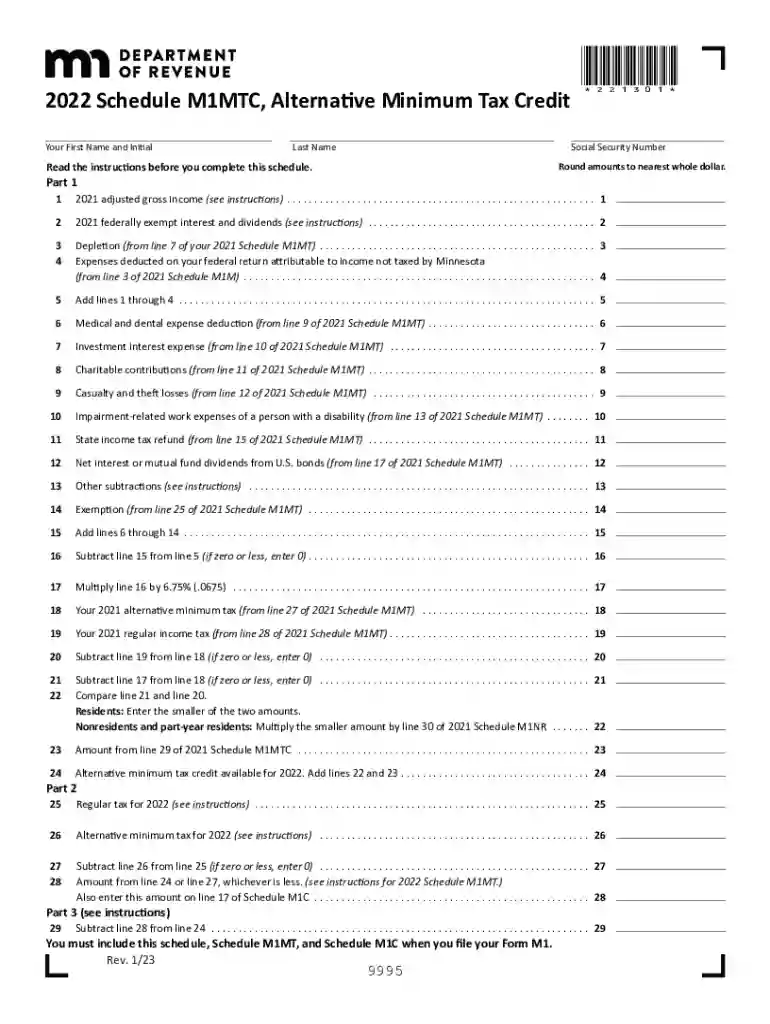
Type text, add images, blackout confidential details, add comments, highlights and more.
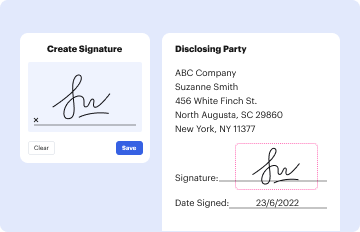
Draw your signature, type it, upload its image, or use your mobile device as a signature pad.

Send it via email, link, or fax. You can also download it, export it or print it out.
The Minnesota Form M1MTC, or the Alternative Minimum Tax Credit form, enables taxpayers in Minnesota to claim a credit based on alternative minimum tax payments from previous years. This form is pertinent for individuals who have paid the Minnesota AMT in the past but are exempt from it in the current year. This form allows them to claim a nonrefundable credit, potentially reducing their current tax liability. The credit aims to mitigate the burden of past AMT payments by offering a way to recoup those costs over the following years.
This form is commonly used by Minnesota residents who have previously been subject to the alternative minimum tax but no longer are. It is especially relevant for taxpayers who had significant AMT liabilities in past years and are now eligible for the credit. It serves individuals in varying financial circumstances, including those with fluctuating income levels that led to AMT applicability.


The IRS provides overarching rules regarding the alternative minimum tax, which states need to adapt for local use. Minnesota's version allows taxpayers to adjust their state tax records in line with federal guidelines, ensuring consistency and compliance with national taxation laws. Users must familiarize themselves with both federal and state rules to accurately fill out the form.
To qualify for the Minnesota Form M1MTC:

By understanding and following these detailed explanations, taxpayers can efficiently manage their obligations related to the Minnesota Form M1MTC and potentially benefit from the tax credit available to them.
We've got more versions of the alternative minimum tax 2022 form. Select the right alternative minimum tax 2022 version from the list and start editing it straight away!
At DocHub, your data security is our priority. We follow HIPAA, SOC2, GDPR, and other standards, so you can work on your documents with confidence.


