



01. Edit your nj special civil part forms online
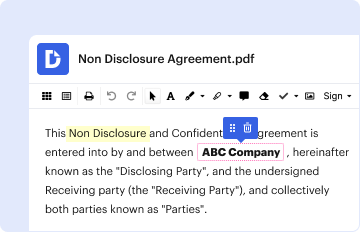
Type text, add images, blackout confidential details, add comments, highlights and more.

Type text, add images, blackout confidential details, add comments, highlights and more.
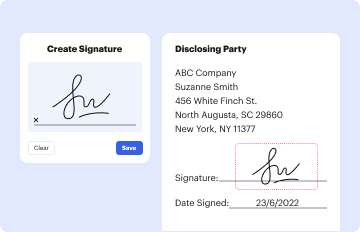
Draw your signature, type it, upload its image, or use your mobile device as a signature pad.

Send cn 10543 via email, link, or fax. You can also download it, export it or print it out.
In the context of the New Jersey Superior Court, a motion refers to a formal request made to the court for an order or ruling on a specific issue within a case. The Special Civil Part handles civil matters involving monetary disputes that are $20,000 or less. When you file a motion in this court, you are seeking the judge’s intervention to make a decision about a particular legal issue. This can include requests to dismiss a case, compel action from a party, or resolve procedural questions. Understanding the definition and function of a motion is crucial for effectively participating in legal proceedings in the Special Civil Part.
Filing a motion in the Special Civil Part involves several methodical steps to ensure compliance with court procedures.
Prepare Your Motion Papers: Begin by drafting the necessary documents, including a Notice of Motion, Certification in Support of Motion, and a Proposed Order. Each document should clearly state the purpose of the motion and the relief sought.
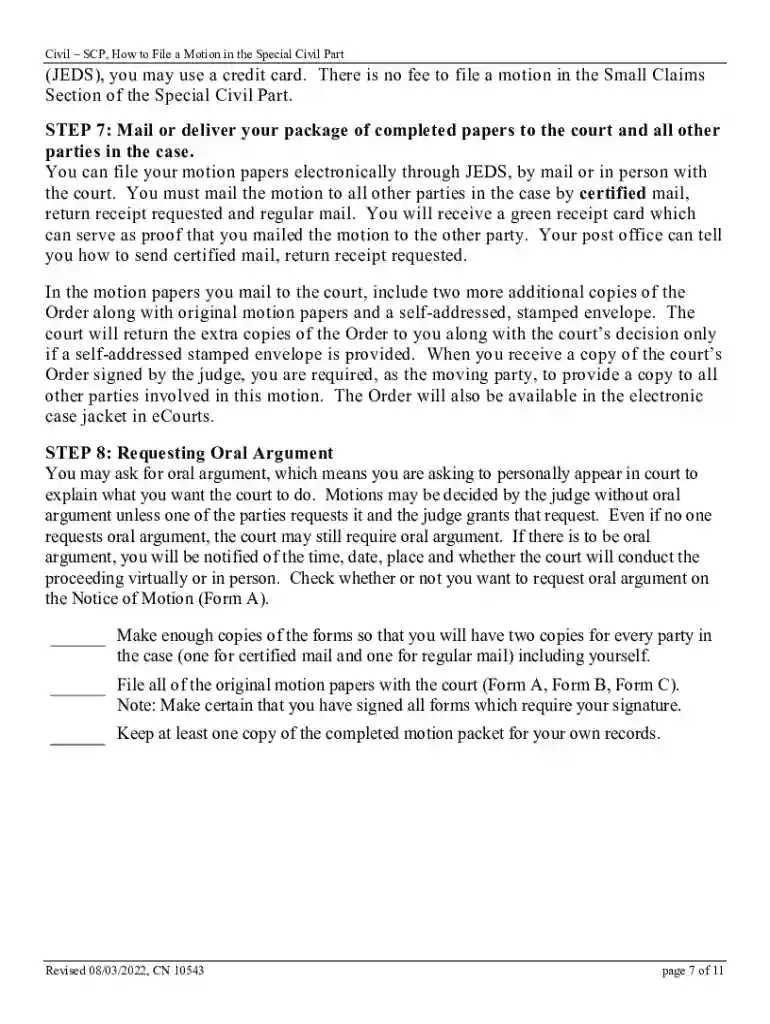
File with the Court: Submit your motion papers to the court where your case is being heard. It's essential to follow the court's specific filing guidelines regarding format and submission methods.
Serve Your Motion Papers: Ensure you provide copies of your motion papers to all involved parties. This typically involves serving the documents via mail or through an appropriate electronic filing system.
Await a Response: After filing, opposite parties have a set time frame to respond. Be prepared to review any opposition papers they submit.
Attend the Motion Hearing: In many cases, a hearing will be scheduled. Attending this allows you to present your arguments and respond to questions from the judge or opposing parties.
Receive the Court’s Decision: After hearing the motion, the court will issue a ruling. Understanding this decision is critical for the next steps in your case.
The Special Civil Part is often used by individuals and small businesses involved in disputes over relatively small monetary amounts. Typical users might include landlords seeking rent payments, small business owners claiming unpaid invoices, or consumers pursuing claims for defective products. Understanding who typically files motions in this court helps tailor your legal strategy effectively and positions you more accurately in relation to the category of users that frequently engage with this legal process.
Filing a motion in Special Civil Part requires adherence to specific legal protocols and requirements.
By understanding these legal requirements, parties can avoid common pitfalls that may delay or derail their legal arguments.
When preparing to file a motion, consider these essential elements:
Adhering to these key elements ensures your motion is taken seriously and adequately considered by the court.
To file a motion in the Special Civil Part, you will typically need:
Ensuring these documents are complete and accurate is an important part of the filing process, as incomplete submissions can cause delays or rejections.
New Jersey’s rules for filing motions in the Special Civil Part are governed by particular statutes and court rules. Key aspects include:
Familiarity with these state-specific rules ensures compliance and enhances the effectiveness of your legal actions.
Practical scenarios where filing a motion may be beneficial include:
By understanding these examples, parties can better identify when a motion is appropriate and anticipate possible outcomes.
Submitting your motion papers involves several possible methods:
Each submission method has different requirements and implications, making it essential to choose the one that aligns with court preferences and your circumstances.
We've got more versions of the nj special civil part forms form. Select the right nj special civil part forms version from the list and start editing it straight away!
At DocHub, your data security is our priority. We follow HIPAA, SOC2, GDPR, and other standards, so you can work on your documents with confidence.
Apr 13, 2026 Includes all Superior Court Motion Calendars for the Civil Division (Law-Civil Part, Special Civil Part and Chancery-General Equity), andRead more
(2). To obtain issuance of the writ, the plaintiff, or the plaintiffs agent or attorney, shall file in the court where the action is pending a verified motionRead more


