



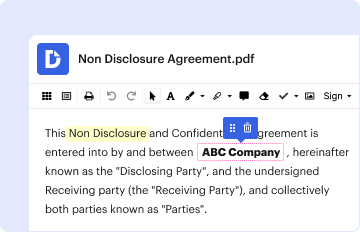
01. Edit your ea 110 online
Type text, add images, blackout confidential details, add comments, highlights and more.

Type text, add images, blackout confidential details, add comments, highlights and more.
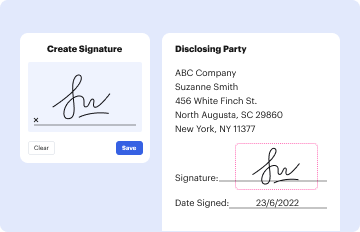
Draw your signature, type it, upload its image, or use your mobile device as a signature pad.

Send ea 120 via email, link, or fax. You can also download it, export it or print it out.
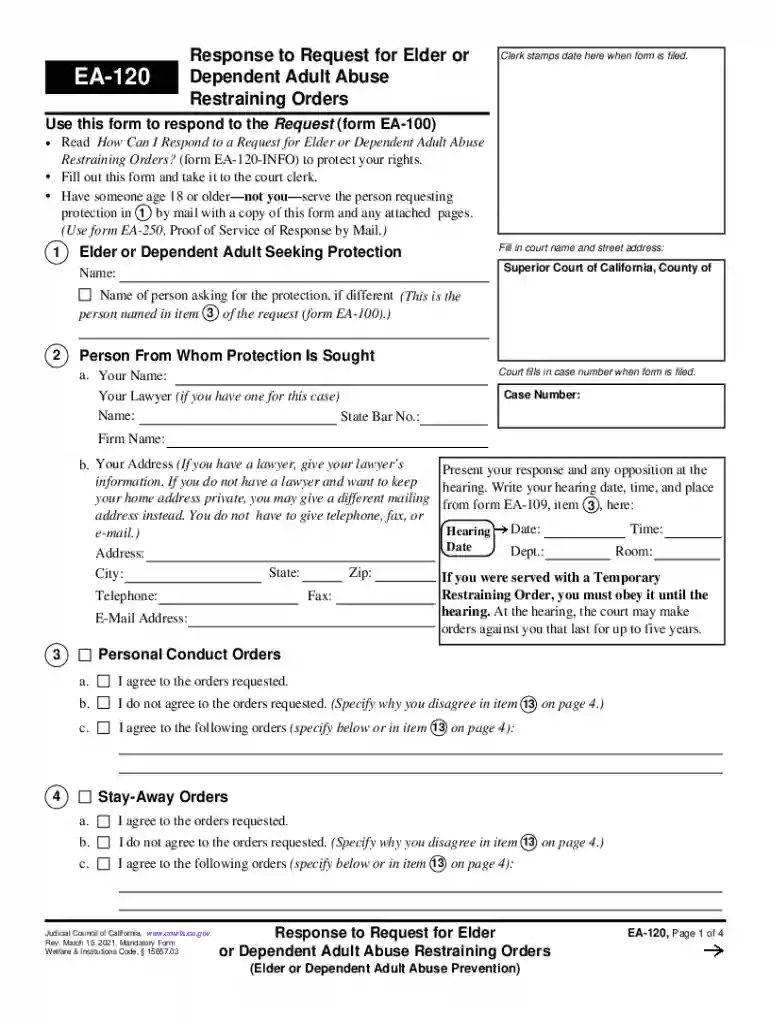
The EA-120 form is officially titled "Response to Request for Elder or Dependent Adult Abuse Restraining Orders" and is a legal document used within the judicial system of California. It is designed to facilitate a structured response to a request for restraining orders concerning elder or dependent adult abuse. The form permits respondents to legally address and outline their agreement or disagreement with the orders sought, ensuring due process is maintained. It is a critical tool in the legal process, safeguarding the accused individual's right to respond to allegations and participate in a fair hearing.
The EA-120 form can be accessed through several sources. It is readily available on the official website of the Judicial Council of California, where users can download the latest version of the form. For those who prefer physical copies, the form can be obtained from the clerk's office of any California Superior Court location. Additionally, legal representatives often have access to hard copies and can assist in acquiring them for their clients. It's important to ensure that the latest form version is used, as outdated forms might not be accepted by the court.
Personal Information: Begin by filling out your personal information, such as your name, address, and contact details. It's crucial to provide accurate and complete information to avoid any potential legal complications.
Case Information: Enter the case numbers and the names of both the protected person and the respondent. This helps in identifying the specific case being addressed.
Response to Orders: Carefully review the restraining orders requested by the petitioner and mark the sections indicating whether you agree or disagree with each order. Provide detailed reasoning for each response, which can include supporting evidence or documentation.
Description of Actions: If applicable, provide a narrative describing your actions and any relevant context or explanations that justify why certain orders should not be granted.
Request for Legal Fees: If you seek a court order for the petitioner to pay your legal fees, make sure to fill out the appropriate section, detailing reasons and potential cost estimates.
Declaration Form: Complete the declaration page, where you assert, under penalty of perjury, the truthfulness of the information provided. This statement is crucial as it verifies your response's authenticity.
Submission: After completing the form, make copies for your records and file the EA-120 at the respective court office. Following submission, ensure to serve a copy to the petitioner as required by law.
The EA-120 form contains several critical components designed to address the specific legal needs of individuals involved in restraining order cases:
Identification Sections: Clearly outlines who the respondent and petitioner are, along with any identifying details necessary for the case.
Response Options: Allows respondents to agree or disagree with proposed orders, providing a transparent method for individuals to communicate their stance.
Supporting Evidence: Sections where respondents can attach evidence or elaborate on circumstances, offering a chance to substantiate their claims.
Legal Requests: Opportunities to address requests for legal fees or other related judicial relief.
Provision for Contact Information: Ensures the court and petitioner can maintain correspondence as the legal process progresses.
The EA-120 form is specifically used in the legal context of elder or dependent adult abuse cases. It is intended strictly for responses to a petition for restraining orders and outlines a structured process by which individuals can participate in the hearing and dispute resolution process. By responding using the EA-120, individuals ensure their rights are observed while adhering to court mandates. It is pertinent that users understand the legal ramifications of the form and consider seeking legal counsel to fully grasp their situation and potential consequences.
The typical individuals or parties involved in using the EA-120 form include respondents to a petition for elder or dependent adult abuse restraining orders. This group includes:
Private Individuals: Those accused of abuse and needing to present their side in court.
Legal Representatives: Acting on behalf of their clients to ensure their legal rights are represented through the proper channels.
Guardians or Conservators: Who might be involved either in filing or responding to restraining order requests related to their wards.


Understanding the terminology associated with the EA-120 form is essential for its proper use:
Petitioner: The individual or party requesting restraining orders due to allegations of abuse.
Respondent: The individual or party accused, responsible for completing and submitting the EA-120 form.
Restraining Order: A temporary or permanent order used to protect individuals from abuse or harassment.
Elder or Dependent Adult: Individuals over the age of 65 or adults with certain disabilities needing protection due to vulnerability.
The EA-120 form can be submitted to the court in several ways:
In-Person: Delivering the completed form directly to the courthouse where the restraining order case is being heard.
By Mail: Mailing the form to the court, ensuring it arrives before any stated deadlines.
Online: Some courts may allow electronic submissions through their official websites or affiliated online legal service platforms.
Ensure submission follows court rules and deadlines to maintain compliance and proper consideration of your response.
We've got more versions of the ea 110 form. Select the right ea 110 version from the list and start editing it straight away!
At DocHub, your data security is our priority. We follow HIPAA, SOC2, GDPR, and other standards, so you can work on your documents with confidence.
Thank you for choosing this Mitsubishi Inverter. This Instruction Manual (Applied) provides instructions for advanced use of the FR-E700 series CC-Link type.Read more
Jan 1, 2026 At the hearing, the court may make orders against you that last for up to five years. Use this form to respond to the Request (form EA-100).Read more
Use this form to request up to four (4) Letters of Good Standing. Additional request form(s) are required for more than four. Please select ONE of theRead more


