EA-100 Request for Elder or Dependent Adult Abuse Restraining Orders 2026

Get Form
EA-100 Request for Elder or Dependent Adult Abuse Restraining Orders Preview on Page 1

Here's how it works

01. Edit your form online
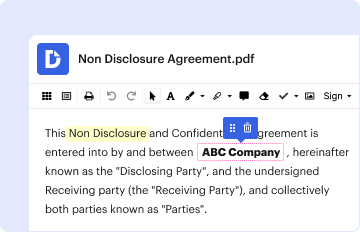
Type text, add images, blackout confidential details, add comments, highlights and more.

02. Sign it in a few clicks
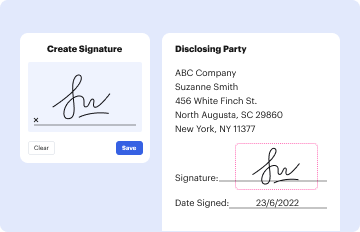
Draw your signature, type it, upload its image, or use your mobile device as a signature pad.

03. Share your form with others
Send it via email, link, or fax. You can also download it, export it or print it out.

Definition & Meaning

The EA-100 form, known as the "Request for Elder or Dependent Adult Abuse Restraining Orders," is a legal document used in California to seek court intervention in cases of alleged abuse against elders or dependent adults. This form allows the petitioner to request protective orders to prevent the respondent from harassing, threatening, or abusing the vulnerable individual. It serves as a primary tool for ensuring the safety of individuals who may not be capable of protecting themselves due to age or disability.

How to Use the EA-100 Request for Elder or Dependent Adult Abuse Restraining Orders

To use the EA-100 form effectively, individuals must complete it with accurate and detailed information regarding the abuse or threats experienced. This includes providing personal details of both the petitioner (the person seeking protection) and the respondent (the alleged abuser), as well as a comprehensive account of incidents that have led to the request. It is crucial to outline specific events or behaviors that warrant the need for a restraining order. Once completed, the form should be submitted to the appropriate local court for processing.

Steps to Complete the EA-100 Request for Elder or Dependent Adult Abuse Restraining Orders

  1. Obtain the Form: Access the EA-100 form from the California Courts website or your local courthouse.
  2. Fill Out Personal Information:
    • Provide your name and contact details.
    • Include information about the respondent.
  3. Describe the Abuse:
    • Detail specific incidents, including dates and nature of the abuse or threats.
    • Highlight any immediate danger to the victim.
  4. Request Specific Orders:
    • Indicate the types of restraining orders needed, such as stay-away orders, no-contact orders, or removal from a shared residence.
  5. Submit the Form:
    • Take the completed form to your local courthouse for filing.
    • Be prepared to attend a hearing to present your case.

Important Terms Related to the EA-100 Request for Elder or Dependent Adult Abuse Restraining Orders

  • Petitioner: The person requesting the restraining order.
  • Respondent: The individual against whom the order is sought.
  • Restraining Order: A legal order issued by a court to protect an individual from harassment or harm.
  • Elder Abuse: Any form of mistreatment resulting in harm or loss to an older person.
  • Dependent Adult: An adult with mental or physical limitations that affect their ability to carry out normal activities or protect themselves.

Legal Use of the EA-100 Request for Elder or Dependent Adult Abuse Restraining Orders

The EA-100 form serves a critical legal function by providing a mechanism for victims of elder or dependent adult abuse to seek judicial protection. The orders requested through this form can legally restrain the respondent's actions, prohibiting contact or proximity to the victim. Compliance with these orders is enforced by law enforcement, making them a powerful tool for ensuring the victim's safety. Failure to adhere to the terms of the restraining order can result in legal penalties, including arrest or fines.

State-Specific Rules for the EA-100 Request for Elder or Dependent Adult Abuse Restraining Orders

While the EA-100 form is specific to California, each state in the U.S. may have its own procedures and forms for handling cases of elder or dependent adult abuse. In California, the EA-100 must be filed in the county where the abuse occurred or where either party resides. Petitioners are advised to consult local court rules or seek legal guidance to ensure compliance with state-specific regulations and procedural requirements.

Key Elements of the EA-100 Request for Elder or Dependent Adult Abuse Restraining Orders

  • Detailed Incident Description: Clearly articulated accounts of abuse, including how the petitioner has been affected.
  • Protective Orders Requested: Specification of the types of restrictions being sought against the respondent.
  • Court Hearing: Attendance at a court hearing where both parties can present evidence and testimonies related to the case.
  • Temporary vs. Permanent Orders: Clarification whether temporary orders are needed immediately before a full hearing can take place.

Filing Methods for the EA-100 Request for Elder or Dependent Adult Abuse Restraining Orders

The EA-100 form can be filed in person at the local courthouse. Petitioners should check if their jurisdiction also allows for mail-in submissions or online filings, which can streamline the process. It's important to ensure all associated paperwork is complete and that required documents, such as evidence of abuse, are submitted alongside the form. Seek guidance from court officials or legal professionals if needed.

See more EA-100 Request for Elder or Dependent Adult Abuse Restraining Orders versions

We've got more versions of the EA-100 Request for Elder or Dependent Adult Abuse Restraining Orders form. Select the right EA-100 Request for Elder or Dependent Adult Abuse Restraining Orders version from the list and start editing it straight away!
Versions Form popularity Fillable & printable
2023 4.4 Satisfied (53 Votes)
2021 4.8 Satisfied (226 Votes)
2018 4.4 Satisfied (62 Votes)
2017 4.2 Satisfied (53 Votes)
2014 4.4 Satisfied (2308 Votes)
2012 4.1 Satisfied (73 Votes)
2008 4 Satisfied (20 Votes)
be ready to get more

Complete this form in 5 minutes or less

Get form

Got questions?

We have answers to the most popular questions from our customers. If you can't find an answer to your question, please contact us.
Contact us
The law says elder or dependent adult abuse is: Physical abuse, neglect, financial abuse, abandonment, isolation, abduction (taking the person out of the state against his or her will), or other behavior that causes physical harm, pain, or mental suffering; OR.
Restraining Order After Hearing (Order of Protection) (CLETSOAH) (DV-130) Tells you that a judge has made a long-term restraining order in your case. Get form DV-130.
The specific elements you need to prove to get a restraining order vary from state to state, but in general, you need to show: A specific instance or instances of abuse or harassment (such as sexual assault by an intimate partner) The threat of violence or of further abusive behavior or harassment.
California Code, Welfare and Institutions Code - WIC 15600. (a) The Legislature recognizes that elders and dependent adults may be subjected to abuse, neglect, or abandonment and that this state has a responsibility to protect these persons.

Security and compliance

At DocHub, your data security is our priority. We follow HIPAA, SOC2, GDPR, and other standards, so you can work on your documents with confidence.

Learn more
ccpa2
pci-dss
gdpr-compliance
hipaa
soc-compliance