Hallux deductibles anaemia 2026

Get Form
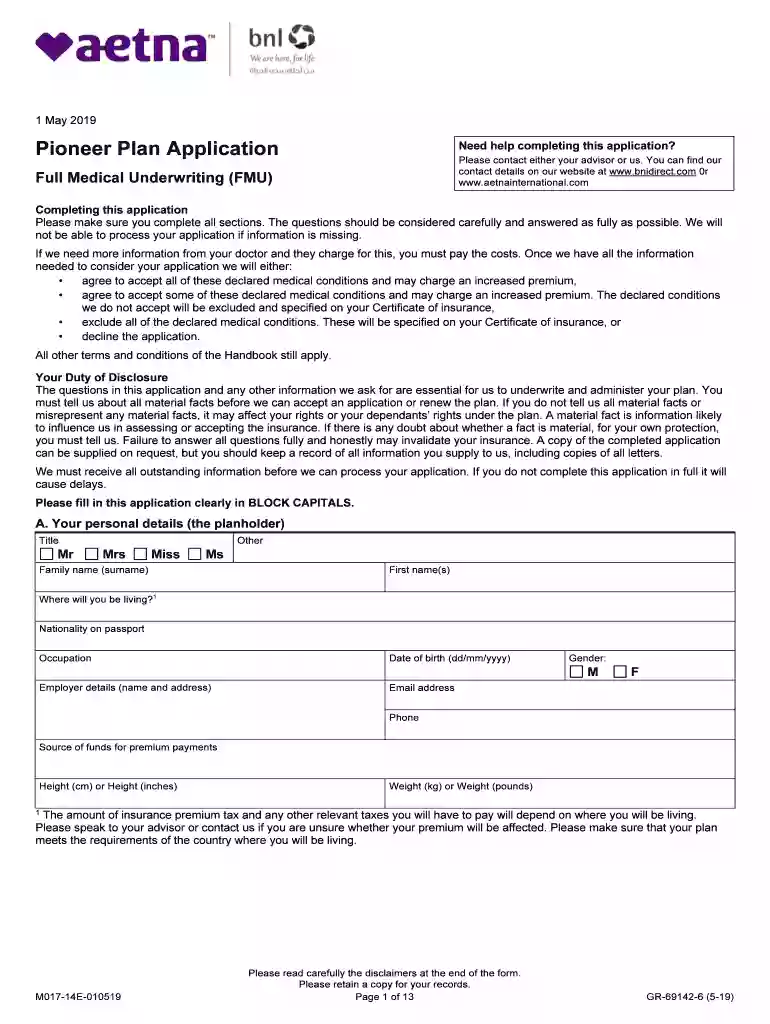
hallux deductibles anaemia Preview on Page 1

Here's how it works

01. Edit your form online
Type text, add images, blackout confidential details, add comments, highlights and more.

02. Sign it in a few clicks
Draw your signature, type it, upload its image, or use your mobile device as a signature pad.

03. Share your form with others
Send it via email, link, or fax. You can also download it, export it or print it out.

Definition and Meaning

Hallux deductibles anaemia is a unique term that combines elements from both medical and insurance-related contexts. "Hallux" refers to the big toe, often discussed in medical terminology. "Deductibles" are commonly associated with insurance policies, representing the amount paid out of pocket before the insurance company covers further expenses. "Anaemia" is a medical condition characterized by a deficiency of red blood cells or hemoglobin, resulting in fatigue and weakness. Together, these terms suggest a niche topic, possibly related to insurance coverage options for medical conditions involving the big toe and anemia.

How to Use the Hallux Deductibles Anaemia

Understanding how to utilize hallux deductibles anaemia involves grasping the intersection between medical needs and insurance policies. If you have health insurance and face conditions related to your hallux or anemia, your policy's deductibles are key. Deductibles determine the expenses you must cover before your insurance begins paying for treatments. To effectively manage these costs, you need to:

  • Review your health insurance policy to understand deductible amounts and coverage for specific medical conditions like hallux issues and anemia.
  • Consult with healthcare providers to ascertain necessary treatments and their potential costs.
  • Ensure your healthcare needs related to the hallux or anemia qualify under your insurance policy terms, potentially affecting what out-of-pocket expenses you might incur.

How to Obtain the Hallux Deductibles Anaemia

Securing applicable deductibles for hallux-related medical conditions and anemia typically requires a few established steps:

  1. Verify Insurance Policy Details: Start by examining your current health insurance plan documents to confirm the coverage specifics for conditions involving the hallux and anemia.
  2. Consult Medical Professionals: Engage with healthcare providers to obtain a diagnosis or assessment of medical needs related to the hallux or anemia.
  3. File Necessary Claims: Once medical expenses are incurred, submit insurance claims by following your insurer’s procedures, ensuring the claims are backed by adequate medical documentation.
  4. Communicate with Insurer: Regularly liaise with your health insurance provider to understand which medical treatments and medications are covered after meeting deductible obligations.

Steps to Complete the Hallux Deductibles Anaemia

Completing the hallux deductibles anaemia process involves several structured steps, which often include the following:

  1. Assess Medical Requirements: Verify if you need medical treatment for your hallux or solutions to manage anemia.
  2. Review Insurance Policy: Determine the deductible amounts and whether specific medical services are included.
  3. Keep Track of Medical Expenses: Maintain records of all medical bills related to the hallux and anemia for precise tracking of deductible attainment.
  4. Submit Accurate Claims: Forward claims to your insurance provider with comprehensive documentation.
  5. Follow Up on Claims: Engage your insurer for updates and verification once claims are processed to ensure expenses are deducted correctly from your policy offerings.

Important Terms Related to Hallux Deductibles Anaemia

Here are crucial terms to understand when dealing with hallux deductibles anaemia within an insurance context:

  • Hallux Limitations: Refers to specific conditions impacting the big toe, often requiring targeted medical interventions.
  • Deductible Thresholds: The set dollar amount within an insurance policy that must be met before insurer coverage begins.
  • Anaemia Treatments: Medical approaches, including supplements and therapies, that address low red blood cell counts and associated deficiencies.
  • Coverage Limits: Caps placed by insurance providers indicating the maximum they will pay for certain medical conditions.
  • Policy Riders: Additional coverage options that extend standard policy terms for specialized medical conditions like anemia or hallux surgeries.

Key Elements of the Hallux Deductibles Anaemia

Several essential components define hallux deductibles anaemia concerning insurance practices:

  • Policy Details: Comprehensive understanding of what the insurance policy includes concerning hallux conditions and anemia.
  • Healthcare Provider Guidelines: Instructions and recommendations from medical professionals overseeing the treatment of the big toe and anemia-related issues.
  • Financial Responsibility: Clarity around personal financial obligations before deductibles are met.
  • Claim Documentation: Necessity for complete documentation detailing the medical necessity and costs of hallux and anemia-related treatments.
  • Insurance Liaison: Effective communication with insurance representatives to ensure correct application of deductible amounts against incurred medical expenses.

Legal Use of the Hallux Deductibles Anaemia

Legal considerations surrounding hallux deductibles anaemia involve the acknowledgment and adherence to various policies and regulations:

  • Compliance with ESIGN Act: Legally recognizing electronic signatures on insurance documentation as binding, facilitating smooth claim submission processes.
  • Policy Adherence: Ensuring that personal applications and claims adhere to insurance policy guidelines and state regulations.
  • Consumer Protection: Recognizing rights pertaining to claim disputes, denials, and appeals, especially when deductibles for specific medical treatments appear incorrectly applied or unjustly denied.
  • Healthcare Rights: Understanding legal rights concerning accessible and fair treatment options under insurance plans for hallux conditions and anemia.

Examples of Using the Hallux Deductibles Anaemia

Consider real-world applications where hallux deductibles anaemia would be relevant:

  • Case Study on Hallux Surgery: Individuals requiring surgery for hallux valgus might examine how deductibles affect their out-of-pocket surgical costs.
  • Anemia Treatment Plans: Patients managing chronic anemia might calculate how often therapies need to be administered before insurance assumes cost responsibility.
  • Policy Analysis Scenarios: Comparing insurance policies with differing deductible structures highlights choices available to individuals managing both hallux conditions and anemia simultaneously.

Form Submission Methods for Hallux Deductibles Anaemia

Submitting claims or forms regarding hallux deductibles anaemia requires understanding the following methods:

  • Online Portals: Many insurance companies offer digital submission platforms for quick and efficient claim filing.
  • In-Person Submission: Some prefer delivering forms to local insurance agency offices for personal assistance and eventual confirmation.
  • Mail Services: Traditional mailing remains an option, requiring thorough record retention and follow-up for confirmation of receipt and processing.

These methods ensure you retain flexibility in ensuring claims related to hallux and anemia treatments are efficiently handled with full documentation.

See more hallux deductibles anaemia versions

We've got more versions of the hallux deductibles anaemia form. Select the right hallux deductibles anaemia version from the list and start editing it straight away!
Versions Form popularity Fillable & printable
2019 4.8 Satisfied (125 Votes)
2018 4.1 Satisfied (33 Votes)
2016 4.2 Satisfied (101 Votes)
be ready to get more

Complete this form in 5 minutes or less

Get form

Got questions?

We have answers to the most popular questions from our customers. If you can't find an answer to your question, please contact us.
Contact us

A lot of software solutions are available on the market for document editing and signing. DocHub is one of the most popular online solutions that comply with all data protection and compliance standards and guarantees your eSigned paperwork is legally enforceable. All you need to give it a try is to register an account, upload your hallux deductibles anaemia, fill out the requested information, and click Sign. Create your electronic signature by typing, drawing it, uploading its image to your form, or scanning a unique QR code.

You can find and modify your hallux deductibles anaemia online by using DocHub. Its simple yet feature-rich design allows you to begin productive work immediately after you register your account. Create your account and add your file, then our user interface will guide you via our stress-free form completion experience.

The best supplement forms of iron to take for iron deficiency anemia (IDA) include ferrous fumarate, ferrous sulfate, and ferrous gluconate. These are the best absorbed.
The diagnostic criterion for anemia is For adult males: Hemoglobin 13.6 g/dL ( 136 g/L), hematocrit 40% ( 0.40), or RBC 4.5 million/mcL ( 4.5 10 12/L) For adult females: Hemoglobin 12 g/dL ( 120 g/L), hematocrit 37% ( 0.37), or RBC 4 million/mcL ( 4 10 12/L)
The term pernicious means harmful, and pernicious anemia causes harm to several body systems: Digestive system problems that cause nausea, bloating and weight loss. Nervous system damage that causes muscle weakness, numbness or tingling in your hands and feet, memory loss and dementia.

Security and compliance

At DocHub, your data security is our priority. We follow HIPAA, SOC2, GDPR, and other standards, so you can work on your documents with confidence.

Learn more
ccpa2
pci-dss
gdpr-compliance
hipaa
soc-compliance

People also ask

Cramping and Tingling in Limbs Oxygen deprivation causes them to work overtime and cause fatigue, weakness, severe cramps, and restless leg syndrome (RLS), which may contribute to insomnia. Anemic patients may feel a crawling or itchy sensation in the feet and legs, which can worsen at night.

Related links