




Here's how it works
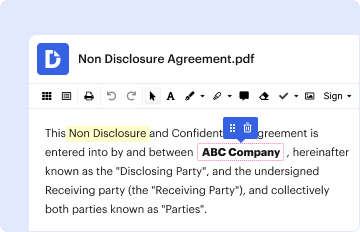
01. Edit your divorce asset list template online
Type text, add images, blackout confidential details, add comments, highlights and more.
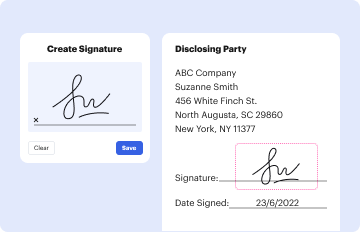
02. Sign it in a few clicks
Draw your signature, type it, upload its image, or use your mobile device as a signature pad.
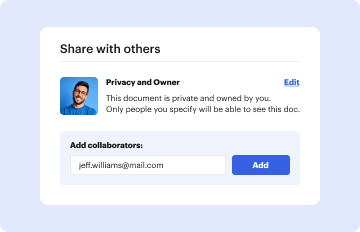
03. Share your form with others
Send divorce asset worksheet via email, link, or fax. You can also download it, export it or print it out.
How to use or fill out assets and liabilities worksheet for divorce with our platform

- Click ‘Get Form’ to open the assets and liabilities worksheet in the editor.
- Begin by filling out the 'Real Estate' section. Enter details such as the address, purchase date, and current mortgage balance for each property. Be thorough to ensure accurate representation of your assets.
- Next, move to the 'Vehicles' section. List all vehicles including motorcycles and recreational vehicles. Fill in the year, make/model, market value, and any outstanding loan balances.
- Proceed to 'Bank Accounts'. Input information for each account including bank name, account type, current balance, and who may withdraw from the account.
- Continue with 'Brokerage, IRA and Mutual Fund Accounts'. Document each account's details including ownership status and value at marriage.
- Complete sections on pensions, debts, life insurance, household items, business interests, separate property, other assets/liabilities. Ensure all fields are filled accurately for a comprehensive overview.
Start using our platform today to easily complete your assets and liabilities worksheet for free!
Fill out assets and liabilities worksheet for divorce online
It's free
It's free
See more assets and liabilities worksheet for divorce versions
We've got more versions of the assets and liabilities worksheet for divorce form. Select the right assets and liabilities worksheet for divorce version from the list and start editing it straight away!
| Versions | Form popularity | Fillable & printable |
|---|---|---|
| 2014 | 4 Satisfied (60 Votes) |
Got questions?
We have answers to the most popular questions from our customers. If you can't find an answer to your question, please contact us.
Contact us
What is the best way to divide marital assets?
While state laws vary on how judges divide marital property, the general rule is to assess assets the couple co-owned or co-managed (such as a residence, bank account, or retirement account) and divide them equitably between spouses.
How to do a balance sheet step by step?
How to create your own balance sheet in 4 easy steps Step 1: Pick a date and list your assets. The first step in creating a balance sheet is picking the date you are taking a snapshot of. Step 2: List all liabilities. Step 3: Calculate owners equity. Step 4: Double-check and reconcile.
What assets cannot be touched in divorce?
Assets that may be protected from equitable distribution during a divorce are typically belong to one of two types: premarital property that has been kept from being commingled or transitioned and gifts or inheritances.
How to do a marital balance sheet?
You list all the assets, and debts (debts should be divided as well) acquired during the marriage. Then you figure out the net value of the asset or debt. Then you start dividing the assets or debts and watch the total at the bottom. One spouse can take 100% of the house, while the 401K is divided 60% / 40%.
How to split bills in a divorce?
The best solution to avoid issues with dividing debt during a divorce is to dissolve joint accounts before going to court. If possible, refinance the house, car and other loans in one persons name. Cancel shared credit cards and pursue credit card balance transfers to have the debt on cards in each persons name.
Security and compliance
At DocHub, your data security is our priority. We follow HIPAA, SOC2, GDPR, and other standards, so you can work on your documents with confidence.
Learn more


Related forms
Tip permit bradford
The document is a permit application form for residents of Bradford district to obtain a free permit for using Household ...

XAVIER UNIVERSITY - OFFICE OF RESIDENCE LIFE
The document is an Apartments/House Inventory Form designed for tenants to report the condition of various items in thei ...

Planning & Development Application - Caroline County!
The document is a Planning and Development Application form from the Department of Planning & Community Development in B ...

Add back - Vermont Bar Association - vtbar
The document provides a comprehensive overview of fiduciary income taxation relevant to estate planners, detailing the c ...

AF I - comptroller tn
The document is a General Instruction Sheet for the 2009 Ad Valorem Tax Report in Tennessee, outlining the requirements ...

Ford Motor Credit Company LLC
The document is a Form 10-Q quarterly report for Ford Motor Credit Company LLC, covering the financial results for the p ...

Free North Carolina Last Will and Testament Templates (PDF
The document is a Last Will and Testament for a resident of North Carolina, outlining the testator's wishes regarding th ...
People also ask
What is a balance sheet in a divorce?
Although this is not the same as equal division of property, the Court typically starts with the presumption that each party should receive 50% of marital property during a divorce. A balance sheet is a list of all of the assets and liabilities owned by the parties, to be divided.
What is the balance sheet for a divorce settlement?
A balance sheet is a list of all of the assets and liabilities owned by the parties, to be divided. This includes, but is not limited to: real property, motor vehicles, bank accounts, investment accounts, retirement plans, personal property, private business interests, liabilities owed, mortgages, etc.