Summons - Oklahoma 2026

Get Form
summons answer template oklahoma Preview on Page 1

Here's how it works

01. Edit your summons answer template oklahoma online
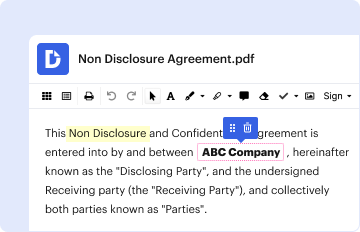
Type text, add images, blackout confidential details, add comments, highlights and more.
02. Sign it in a few clicks
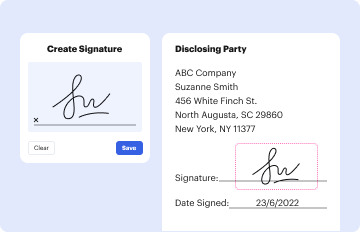
Draw your signature, type it, upload its image, or use your mobile device as a signature pad.
03. Share your form with others
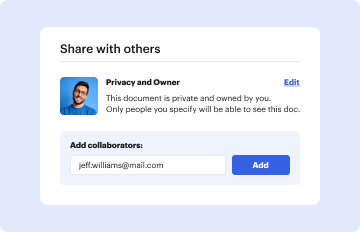
Send it via email, link, or fax. You can also download it, export it or print it out.

How to use or fill out Summons - Oklahoma with our platform

Form edit decoration
9.5
Ease of Setup
DocHub User Ratings on G2
9.0
Ease of Use
DocHub User Ratings on G2
  1. Click ‘Get Form’ to open the Summons - Oklahoma in the editor.
  2. Begin by entering the name of the Plaintiff and Defendant in the designated fields. Ensure accuracy as this information is crucial for identification.
  3. Fill in the case number at the top of the form. This number is essential for tracking your case within the court system.
  4. In the section regarding service, indicate whether the summons was served in person or by mail, and provide the corresponding dates.
  5. Complete the attorney's details, including their name, address, and telephone number. This ensures that all parties can communicate effectively.
  6. Finally, review all entered information for accuracy before saving or printing your completed summons.

Start using our platform today to fill out your Summons - Oklahoma quickly and efficiently!

be ready to get more

Complete this form in 5 minutes or less

Get form

Got questions?

We have answers to the most popular questions from our customers. If you can't find an answer to your question, please contact us.
Contact us
The summons shall be signed by the clerk, be under the seal of the court, contain the name of the court and the names of the parties, be directed to the defendant, state the name and address of the plaintiffs attorney, if any, otherwise, the plaintiffs address, and the time within which these rules require the
what next step needed? Generally, whenever you receive a summons you would need to respond to the complaint within the time frame provided by your specific state. You can generally either file the response yourself or you can contact an attorney licensed in the state the case is in to help you with the response.
If you have a summons and do not show up you are in contempt of court, and the judge may order a warrant for your arrest, and you may sit in jail waiting for your trial. More likely you will have to post bail and/or wear a monitoring ankle bracelet. All of this happens before the case is adjudicated.
No. A warrant authorizes police to arrest you, while a summons directs you to appear in court voluntarily.
1:09 3:12 When you receive a criminal summon. It means that a formal charge has been filed against you you areMoreWhen you receive a criminal summon. It means that a formal charge has been filed against you you are required to appear in court to address that charge. The key point here is that a summon in a

Security and compliance

At DocHub, your data security is our priority. We follow HIPAA, SOC2, GDPR, and other standards, so you can work on your documents with confidence.

Learn more
ccpa2
pci-dss
gdpr-compliance
hipaa
soc-compliance

People also ask

When youre summoned to come to court, that is basically your notice that a criminal case has been filed against you. And, youre usually served with a summons by a Constable or you may receive the summons in the mail, certified mail. You will go toyou will be directed to go to the court.
If your case is being heard in district court, you must file your answer with the court within 20 days of receiving your summons. You can usually file your answer form in person at the court or by mail. Check with your court clerk to learn the correct procedure for your court.
It is not an order, so you do not have to do what it says. But, if you ignore a summons, you will likely lose the case against you. The court will usually decide the lawsuit in favor of the person suing you. The court could decide that you have to pay money or that you must stop doing something.

Related links