What is the fastest you can evict a tenant?
The fastest a landlord can evict you legally usually involves a 3-day notice for serious lease violations (like illegal activity or extreme damage), followed by a swift court process, potentially leading to a sheriff posting a final 48-hour notice, but this can vary by state, with some states offering pathways to eviction in about 30-45 days for clear-cut cases, while longer periods are common due to court backlogs or tenant defenses, with overnight evictions being illegal. Key Steps Timelines (General) Written Notice (3 to 60+ Days): The landlord must first give you a formal written notice, often 3, 30, 60, or 90 days, depending on the reason (non-payment, lease violation, ending tenancy) and your states laws. Court Filing (If No Action): If you dont comply by the deadline, the landlord files an unlawful detainer (eviction) lawsuit. Tenant Response (Days): You get a few days to file a formal response to the court. Court Hearing/Judgment (Weeks): A judge makes a decision, sometimes quickly if you dont respond, but often taking weeks. Writ of Possession Sheriff (Days): If the landlord wins, a writ is issued, and the sheriff posts a final Notice to Vacate, giving you a few days (e.g., 48 hours) to move. Fastest Scenarios Very Quick (30-45 Days): In some states, for issues like non-payment or serious lease bDocHubes, a 3-day notice plus a fast court process can lead to a judgment in about a month. Specific Violations: A 3-day notice for drug activity might trigger a very fast eviction process in some jurisdictions. Slowdowns Delays Court Backlogs: These are common and can DocHubly extend timelines. Tenant Defenses: Responding to the case and attending a trial adds time. State/Local Laws: Jurisdictions like California have strong tenant protections, extending timelines. Important: Landlords cannot force you out without a court order; self-help evictions (changing locks, turning off utilities) are illegal. Always seek legal advice for your specific situation. For legal advice, consult a professional. California limits when a landlord can evict renters.The Tenant Protection Act of 2019 (AB 1482) requires a landlord to have a valid reason to evict renters so long as the renter has Legal Services of Northern CaliforniaEviction for non-payment of rent - OKLaw.orgAfter Court If the judge rules in favor of the landlord, you must move when the judge says. You may have as little as 48 hours tOKLaw.org
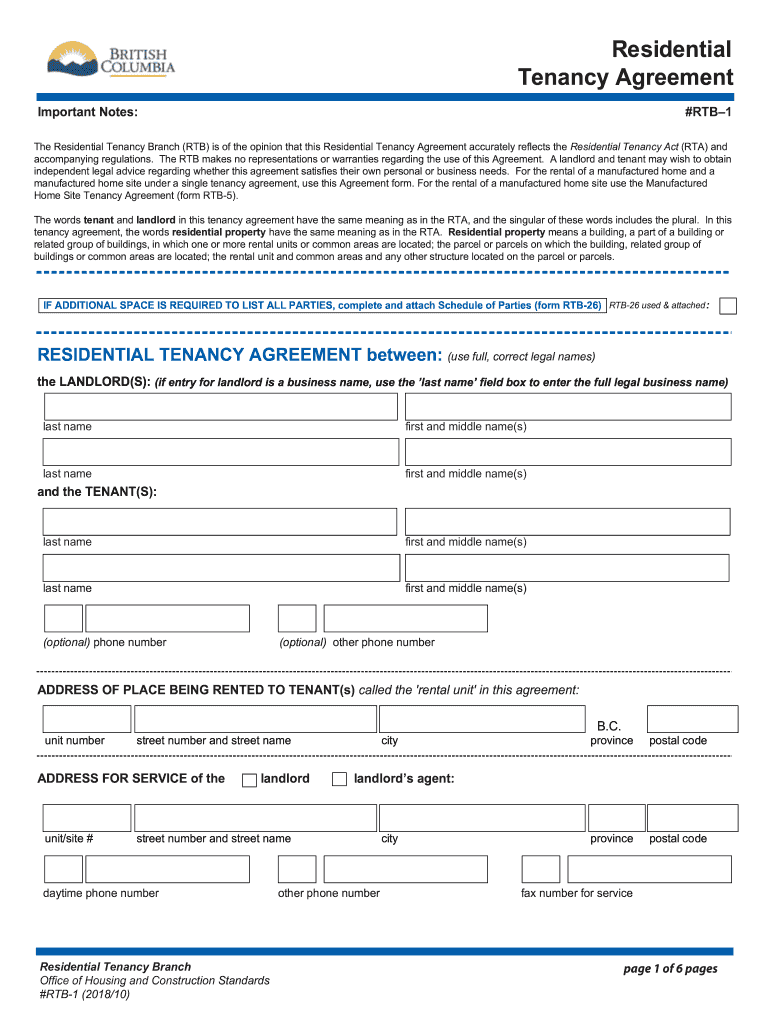
How do I contact BC tenancy?
1-800-665-8779
On what grounds can a tenant be evicted?
Common reasons to evict a tenant include non-payment of rent, violating lease terms (like property damage or creating a nuisance), engaging in illegal activities, or the landlord needing the property back for owner move-in or demolition; landlords must provide proper written notice and follow state laws for lawful eviction. Tenant-Caused Reasons (At-Fault) Failure to Pay Rent: The most frequent reason, even if the non-payment is due to circumstances beyond the tenants control. Lease Violations: Breaking specific rules, such as unauthorized pets, excessive noise, or disturbing other residents. Property Damage: Causing damage beyond normal wear and tear, creating health hazards, or severe neglect. Illegal Activity: Using the property for illegal purposes or allowing others to do so. Nuisance: Creating ongoing disruptions that interfere with neighbors comfort, safety, or enjoyment. Unreasonable Refusal of Access: Denying the landlord reasonable entry for repairs or showing the property. Unauthorized Subletting: Having a subtenant that wasnt approved by the landlord. Landlord-Initiated Reasons (No-Fault/Owner-Initiated) Owner Move-In: The landlord or a family member plans to occupy the unit as a primary residence (with specific conditions and notice periods). Property Removal: The landlord plans to demolish the property or take it off the rental market. End of Lease Term: For month-to-month or fixed-term leases, the landlord can choose not to renew, often requiring a specific notice period. Important Considerations Written Notice: A formal written notice (like a Notice to Quit) is always required before starting eviction proceedings. State Laws Vary: Eviction procedures and allowable reasons differ DocHubly by state and city, so consulting local laws or an attorney is crucial. Illegal Reasons: Evicting for discriminatory reasons (race, religion, etc.) is illegal, notes the Legal Information Institute (LII). AI can make mistakes, so double-check responsesgood-cause-eviction - NYC.gov Good Cause Eviction * Tenant has not paid rent, unless the nonpayment is because of an unreasonable rent increase (see the What iNYC.govJust Cause For Eviction Ordinance (JCO) - LAHD - City of Los AngelesJan 16, 2026 Tenant is at-fault. Under the JCO, the landlord may recover possession of a rental unit in specific situations. Below Los Angeles Housing Department (LAHD) (.gov)
How quickly can a landlord evict a tenant in BC?
If your tenant is late paying by even one day, or the rent is short by any amount of money, the landlord has the right to serve them with a 10 day eviction notice for non-payment of rent. Tenants have 5 days to dispute their eviction and apply for dispute resolution after receiving a 10 day notice.Aug 19, 2025
What are landlords not allowed to do in BC?
For example: You cannot tell tenants what to cook. You cannot impose limits on tenants use of electricity or water if the use is reasonable. You cannot tell tenants that they are not allowed guests nor ask the guests to leave unless they are damaging the property or bothering others.