

Postnuptial Property Agreement - District of Columbia - District of Columbia 2026

Get Form
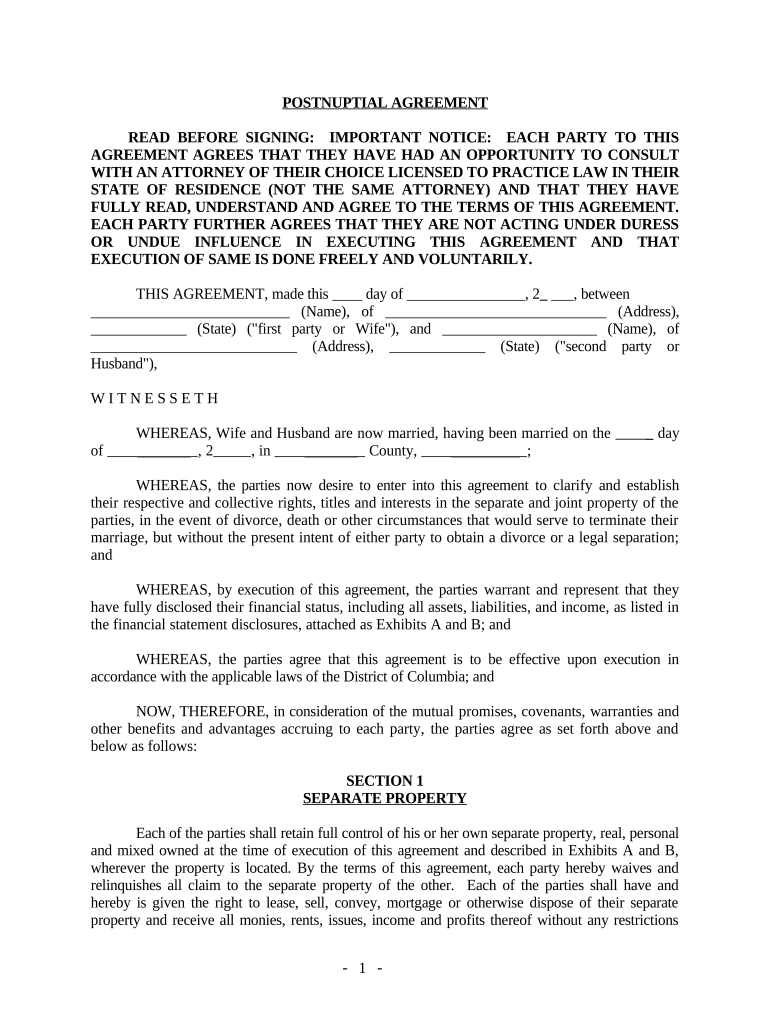
Postnuptial Property Agreement - District of Columbia - District of Columbia Preview on Page 1

Here's how it works

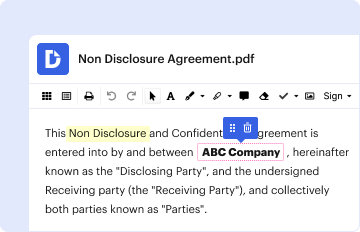
01. Edit your form online
Type text, add images, blackout confidential details, add comments, highlights and more.
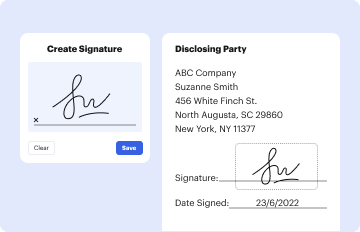
02. Sign it in a few clicks
Draw your signature, type it, upload its image, or use your mobile device as a signature pad.
03. Share your form with others
Send it via email, link, or fax. You can also download it, export it or print it out.

How to use or fill out Postnuptial Property Agreement - District of Columbia - District of Columbia

Form edit decoration
9.5
Ease of Setup
DocHub User Ratings on G2
9.0
Ease of Use
DocHub User Ratings on G2
  1. Click ‘Get Form’ to open it in the editor.
  2. Begin by entering the date of the agreement at the top of the form. This is crucial for establishing the timeline of your agreement.
  3. Fill in the names and addresses of both parties involved. Ensure that all information is accurate to avoid any legal complications.
  4. In Section 1, detail each party's separate property as outlined in Exhibits A and B. Clearly describe assets such as real estate, bank accounts, and vehicles.
  5. Proceed to Section 2 to identify joint property. Specify any assets that will be considered joint ownership.
  6. In Section 3, outline how property will be divided in case of separation or divorce. Be thorough in listing specific items under each category.
  7. Complete Sections 4 through 15 by providing necessary details about debts, waivers, and other relevant clauses as applicable.
  8. Finally, ensure both parties sign the document before a notary public to validate the agreement legally.

Start using our platform today for free to streamline your Postnuptial Property Agreement process!

be ready to get more

Complete this form in 5 minutes or less

Get form

Got questions?

We have answers to the most popular questions from our customers. If you can't find an answer to your question, please contact us.
Contact us
What is considered marital property in DC? In the District of Columbia, all assets acquired during the marriage are considered marital property. This means that each spouse is entitled to half of the total value of these assets.
How long after marriage can I get a postnuptial agreement? There are no time limits for creating a postnup. Whether its days or years after youre wed, you can draft and sign a postnuptial agreement anytime. As long as it meets state requirements, courts will most likely deem it valid.
But docHub changes have taken effect as of January 26, 2024. Now, the simple decision that one or both spouses no longer wish to remain married is sufficient grounds for divorce. This means a spouse can file for divorce at any time, regardless of whether theyve separated from their spouse.
No one has to take their fair share but the COURTS will AWARD half of all MARITAL assets to your spouse and half to you. And if you try to hide marital assets you will be held in Contempt of Court.
Lack of Full Disclosure One of the most common mistakes when forming a post-nuptial agreement is the failure to fully disclose all financial assets and liabilities. Both parties must be transparent about their income, assets, debts, and any other financial obligations.

Security and compliance

At DocHub, your data security is our priority. We follow HIPAA, SOC2, GDPR, and other standards, so you can work on your documents with confidence.

Learn more
ccpa2
pci-dss
gdpr-compliance
hipaa
soc-compliance

People also ask

Yes, postnuptial agreements are legally enforceable in Washington State, provided they meet certain criteria. The agreement must be entered into voluntarily, with full transparency and fairness between the parties.
When dividing assets in a DC divorce, the state follows a 50/50 rule. This means that the courts will divide the marital property in a fair and equitable way for both parties. This includes dividing assets, such as bank accounts, investments, real estate, and any other property acquired during the marriage.

Related links