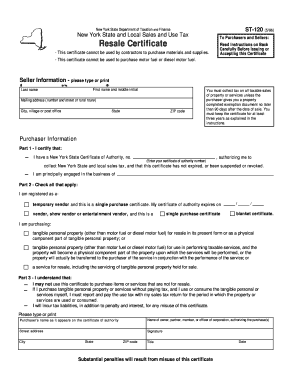
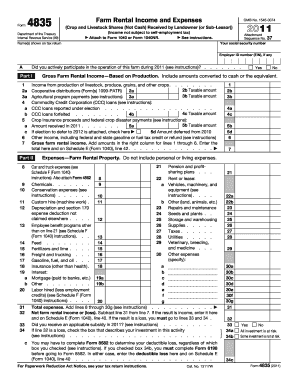
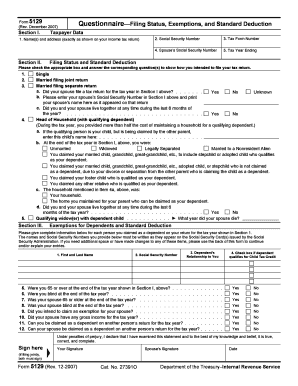
Type text, add images, blackout confidential details, add comments, highlights and more.
02. Sign it in a few clicks
Draw your signature, type it, upload its image, or use your mobile device as a signature pad.
03. Share your form with others
Send probate inventory worksheet via email, link, or fax. You can also download it, export it or print it out.
How to use or fill out Estate Planning Questionnaire and Worksheets - Iowa with our platform
Ease of Setup
DocHub User Ratings on G2
Ease of Use
DocHub User Ratings on G2
Click ‘Get Form’ to open the Estate Planning Questionnaire and Worksheets - Iowa in the editor.
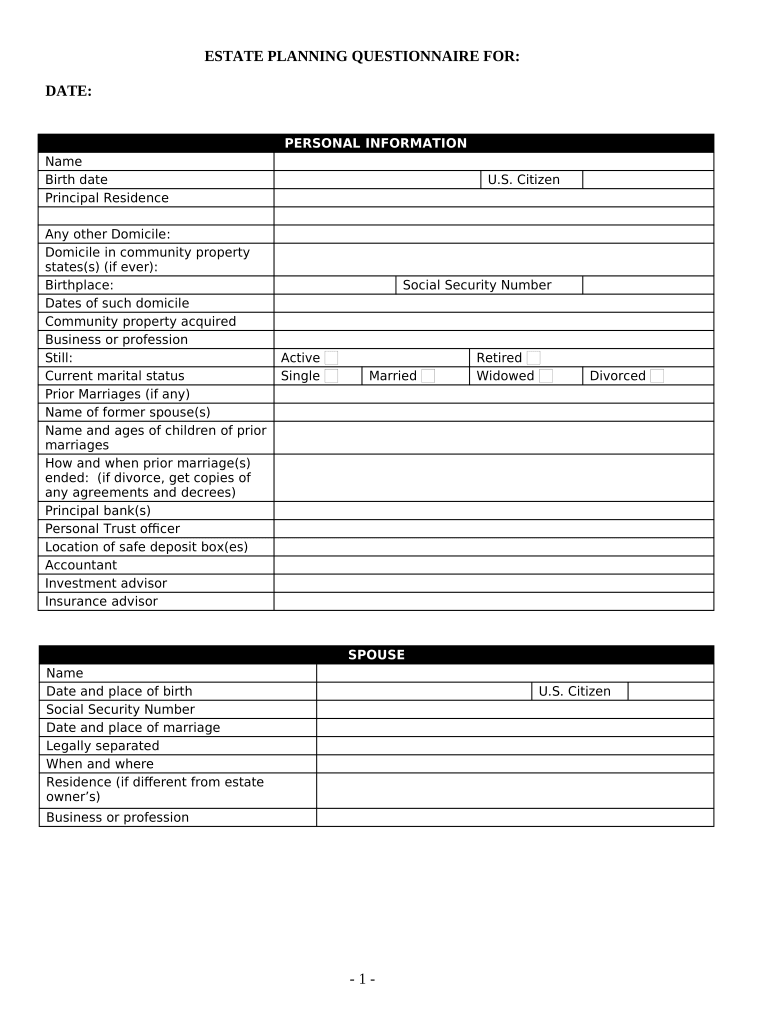
Begin by filling out the 'Personal Information' section. Enter your name, birth date, principal residence, and any other domicile details. Be sure to include your marital status and information about prior marriages if applicable.
Proceed to the 'Spouse' section. Input your spouse's name, date of birth, social security number, and marriage details. If legally separated, provide that information as well.
In the 'Children and Grandchildren' section, list each child's name, birth date, relationship to you, and their domicile. Specify if any are adopted or from prior marriages.
Complete the 'Who Will Benefit Under Will' section by detailing beneficiaries' names, addresses, ages, and their relationship to you.
Fill out the 'Fiduciaries' section with names and addresses of executors, trustees, and guardians.
Continue with financial information regarding real estate, stocks, bonds, cash accounts, life insurance policies, and other assets. Ensure accuracy for a comprehensive overview.
Finally, review all sections for completeness before saving or sharing your document directly through our platform for free.
Start using our platform today to simplify your estate planning process!
Fill out Estate Planning Questionnaire and Worksheets - Iowa online It's free
The five or five power is the power of the beneficiary of a trust to withdraw annually $5,000 or five percent of the assets of the trust.
What are the four foundational documents of an estate plan?
There are four essential documents in an effective foundational estate plan. Revocable living trust with a pour-over will, or a last will and testament: Financial power of attorney: Healthcare power of attorney and living will (advance care directive): HIPAA authorization: How to establish an estate plan.
What is an estate planning questionnaire?
An estate planning questionnaire is a form that asks you questions about your personal information, family, finances, and more. It helps you gather important information and organize your thoughts about your simple estate plan.
What are the four documents Suze Orman says you must have?
This online program makes it easy for you to create ALL the essential documents you need to completely protect you and your family for one low price! Living Revocable Trust. Will. Financial Power of Attorney. Advance Directive + Durable Power of Attorney for Health Care.
What is the most important component of your estate plan?
Here are the 5 basic components of a well-rounded estate plan: Will. Perhaps the most basic and often utilized component of an estate plan is a will. Trusts. Power of Attorney. Health Care Directive (Medical Directive) Beneficiary Designations.
estate planning questionnaire pdf
Printable estate planning questionnaire and worksheets iowaEstate planning questionnaire and worksheets iowa templateFree estate planning questionnaire and worksheets iowaEstate planning questionnaire and worksheets iowa pdfEstate planning questionnaire and worksheets iowa pdf free
Security and compliance
At DocHub, your data security is our priority. We follow HIPAA, SOC2, GDPR, and other standards, so you can work on your documents with confidence.
What are the 7 steps in the estate planning process?
What are the 7 steps in the estate planning process? Step 1: Define Your Goals and Objectives. Step 2: Create or Update Your Will. Step 3: Establish Trusts. Step 4: Designate Beneficiaries. Step 5: Plan for Incapacity. Step 6: Address Taxation. Step 7: Regularly Review and Update.
Related links
the university of iowa foundation - estate planning organizer
Objectives for Estate Planning. What do you want your estate plan to achieve? Setting goals is an important first step in planning. Use the checklist.Read more
Iowa Interactive Court Forms. Free, easy-to-use program for preparing certain forms for domestic abuse, elder abuse, child support modifications, fee waivers,Read more
Cookie consent notice
This site uses cookies to enhance site navigation and personalize your experience.
By using this site you agree to our use of cookies as described in our Privacy Notice.
You can modify your selections by visiting our Cookie and Advertising Notice.