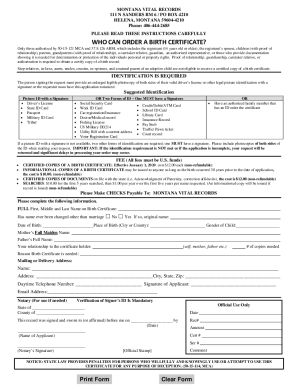





Wisconsin real estate condition report form 2021-2026

Get Form
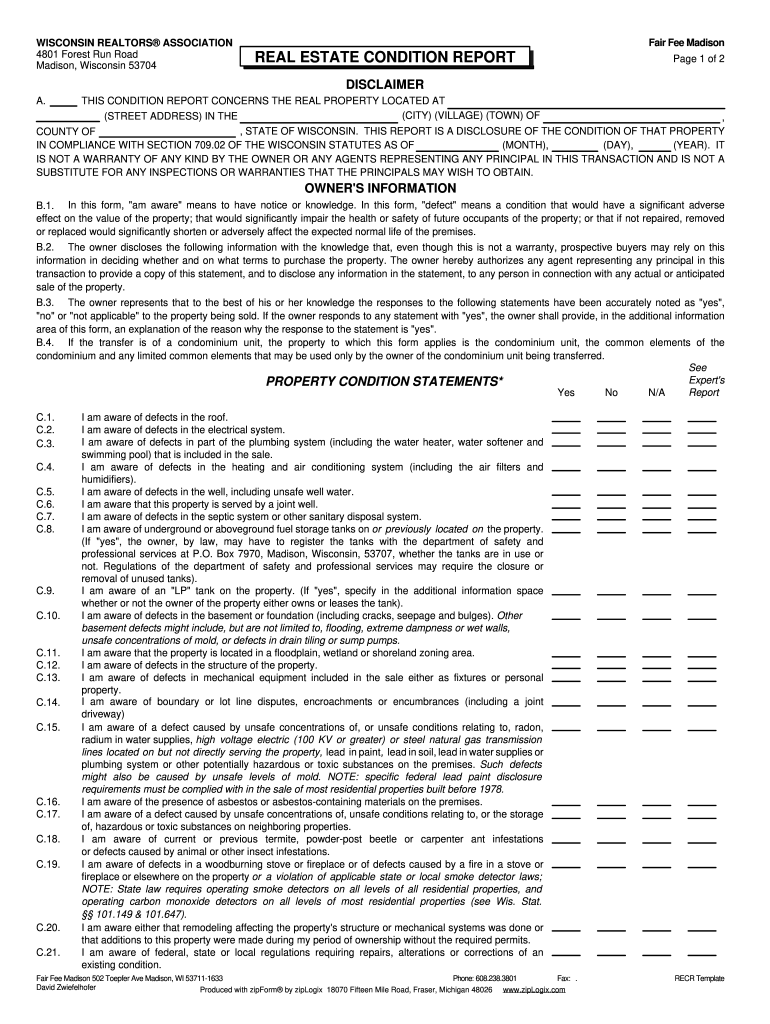
wisconsin real estate condition report pdf Preview on Page 1

Here's how it works

01. Edit your wisconsin real estate condition report pdf online
Type text, add images, blackout confidential details, add comments, highlights and more.
02. Sign it in a few clicks
Draw your signature, type it, upload its image, or use your mobile device as a signature pad.
03. Share your form with others
Send real estate condition report wisconsin via email, link, or fax. You can also download it, export it or print it out.

Definition & Meaning

The Wisconsin Real Estate Condition Report Form 2021 is a standardized document used by property sellers in Wisconsin to disclose known defects and issues related to real estate properties they intend to sell. This form is mandated by the Wisconsin REALTORS® Association and complies with state statutes, ensuring transparency and protecting both buyers and sellers during real estate transactions. It requires sellers to detail any structural, mechanical, or environmental concerns about the property and serves as a comprehensive disclosure rather than a warranty or guarantee of the property's condition.

How to Use the Wisconsin Real Estate Condition Report Form 2021

To effectively use the Wisconsin Real Estate Condition Report Form 2021, sellers must begin by thoroughly examining their property to identify any potential issues. The form covers various categories such as roof conditions, plumbing, electrical systems, and environmental hazards. Sellers need to respond truthfully to each section, marking relevant boxes to indicate whether a defect is present. After completing the form, both the seller and buyer should review it together, with the buyer acknowledging receipt. This process helps clarify the state of the property and allows buyers to make informed purchasing decisions.

Steps to Complete the Wisconsin Real Estate Condition Report Form 2021

  1. Property Inspection: Conduct a detailed inspection of the property, noting any defects, damages, or areas of concern.
  2. Complete the Form: Fill out each section of the form, including details on structural components, potential environmental hazards, and existing mechanical systems.
  3. Accurate Disclosure: Provide honest answers about known issues, even if they appear minor, as non-disclosure can lead to legal consequences.
  4. Review with Buyer: Review the completed form with the prospective buyer, ensuring all disclosures are understood and acknowledged.
  5. Signatures: Both parties should sign the document, confirming that the buyer comprehends the property's condition and has received all necessary information.

Key Elements of the Wisconsin Real Estate Condition Report Form 2021

  • Property Identification: Includes basic information such as the property's address and the seller's contact details.
  • Disclosure Sections: Contains specific questions about various aspects of the property's condition, requiring the seller to disclose issues like roof leaks, foundation cracks, or mold presence.
  • Seller's Representations: Provides space for the seller to list any repairs, modifications, or maintenance conducted on the property.
  • Buyer's Acknowledgment: A section for the buyer to confirm receipt and understanding of the information disclosed.

Legal Use of the Wisconsin Real Estate Condition Report Form 2021

The form is a legal document required in Wisconsin real estate transactions to ensure compliance with state law. Sellers must use it to fulfill their legal obligation to disclose known defects in the property. Failure to accurately complete or provide the form can result in legal disputes or prevent the closing of the sale. Adhering to this process not only protects the seller from liability but also ensures that the buyer enters the agreement with full knowledge of the property's condition.

Who Typically Uses the Wisconsin Real Estate Condition Report Form 2021

The primary users of the Wisconsin Real Estate Condition Report Form 2021 are property sellers, particularly those involved in residential real estate transactions. Real estate agents and brokers in Wisconsin also utilize the form to facilitate transactions by ensuring that their clients are compliant with state disclosure requirements. Additionally, prospective buyers review the form during the purchasing process to understand the property's condition, helping them evaluate potential risks.


decoration image ratings of Dochub

State-Specific Rules for the Wisconsin Real Estate Condition Report Form 2021

Wisconsin law mandates the use of this form in residential real estate transactions, reflecting the state's commitment to ensuring honesty and transparency between buyers and sellers. The report form is specifically designed to align with Wisconsin statutes, incorporating legal terms and conditions unique to the state's real estate market. Sellers are legally obligated to provide this disclosure within ten days of an accepted offer, and the buyer has the right to rescind the offer within two business days upon receiving the report if undisclosed defects are discovered.

Important Terms Related to the Wisconsin Real Estate Condition Report Form 2021

  • Disclosure: The act of informing the buyer about known property defects.
  • Defects: Physical issues or conditions that impair the property's value or pose safety risks.
  • Acknowledgment: Formal recognition by the buyer that they have received and understood the disclosures.
  • Compliant: Adhering to Wisconsin's legal requirements regarding real estate transactions.
  • Environmental Hazards: Potential risks such as asbestos, lead paint, or radon that may affect the property's safety or habitability.

Examples of Using the Wisconsin Real Estate Condition Report Form 2021

Consider a scenario where a seller discovers a minor roof leak during the home's inspection. Although seemingly minor, the seller must disclose this issue on the form to comply with Wisconsin's legal requirements. By doing so, the buyer is informed about necessary repairs and can negotiate accordingly. Another example might involve the presence of outdated electrical wiring, which poses a safety risk. Disclosure on the report ensures that the buyer can make an informed decision about potentially upgrading the wiring after purchase.

be ready to get more

Complete this form in 5 minutes or less

Get form

Got questions?

We have answers to the most popular questions from our customers. If you can't find an answer to your question, please contact us.
Contact us
The Property Condition Report is a detailed document that assesses and records the condition of rental properties, highlighting areas needing immediate repairs or preventive maintenance.
The equity Property Condition Report serves the following functions: A recording of property conditions for a buyer at some level of detail often specified by the buyer. An independent evaluation of conditions, not dependent on the viewpoint of the current owner. A forward view of what could go wrong.
Normally, residential homeowners are required by law (Wisconsin Statute 709.02) to provide buyers with a Real Estate Condition Report, a detailed disclosure about the condition of the property.Nov 7, 2025
452.19 Fees and commissions. (2) If a licensee is associated with a firm, all fees or commissions and any part thereof for performing any act specified in this chapter and all compensation for a referral or as a finders fee shall be paid to the firm.
The 3-3-3 rule in real estate refers to different guidelines, most commonly the 30/30/3 rule for buyers (max 30% housing costs, 30% down payment/closing, home price under 3x income), a checklist for buyer readiness (3 months savings, 3 months mortgage payments, 3 property evaluations), or a property evaluation method (past trends, future development, 3 comparables). Theres also a 3-3-3 rule for agents focusing on connection marketing (3 calls, 3 notes, 3 resources) and a 3-30-300 rule for corporate real estate (utilities, rent, payroll). For Buyers (Most Common) 30/30/3 Rule: A financial guideline to prevent overspending. 30% Housing Costs: Total monthly housing costs (mortgage, taxes, insurance) should not exceed 30% of your gross monthly income. 30% Down Payment: Save a 30% down payment plus closing costs. 3x Income: The homes purchase price should be no more than three times your gross annual income. Buyer Readiness Checklist: Ensures youre prepared to buy. 3 months: of emergency savings. 3 months: of mortgage payments saved. 3 property evaluations: before making an offer. For Property Evaluation The 3-Year Check: Analyze the propertys area by looking at. 3 Years Past: Past price trends in the neighborhood. 3 Years Future: Upcoming infrastructure projects (metro, malls). 3 Properties Nearby: Compare with at least three similar properties to avoid overpaying. For Real Estate Agents Connection-First Marketing: A habit-building rule. Call 3 people monthly. Send 3 handwritten notes monthly. Share 3 valuable resources monthly. For financial advice, consult a professional. Agents Shifting to Connection-First Marketing | Florida RealtorsSep 4, 2025| Florida RealtorsHow to Evaluate a Property with the 3-3-3 Rule - LinkedInSep 22, 2025 Manmeeth Jain. Deputy Vice President | Branch Business Head, HDFC Bank Ltd Sharing insights on Real Estate, InvestmentLinkedIn Manmeeth Jain

Security and compliance

At DocHub, your data security is our priority. We follow HIPAA, SOC2, GDPR, and other standards, so you can work on your documents with confidence.

Learn more
ccpa2
pci-dss
gdpr-compliance
hipaa
soc-compliance
be ready to get more

Complete this form in 5 minutes or less

Get form

People also ask

The three most crucial documents in a property sale are the Purchase Agreement (the binding contract outlining terms), the Signed Deed (legally transferring ownership), and the Title Report/Insurance (proving clear ownership and protecting against claims), though some sources also emphasize the Sellers Disclosure for transparency. These documents establish the deal, finalize the transfer, and ensure a clear path to ownership, respectively, protecting both buyer and seller. 1. Purchase Agreement (or Sales Contract) Why its vital: This is the foundational, legally binding contract detailing every aspect of the sale, including price, closing date, contingencies (like inspections or financing), and property descriptions. Key details: Includes deposit amounts, timelines, and conditions that must be met for the sale to close. 2. The Deed Why its vital: This is the document that actually transfers legal ownership (title) from the seller to the buyer. Key details: Must be properly executed, recorded, and contain accurate legal descriptions of the property and parties involved for the transfer to be complete. 3. Title Report/Insurance Sellers Disclosure Why its vital: The title report verifies the sellers right to sell, checking for liens or claims, while the Sellers Disclosure informs the buyer of known property defects, preventing future legal issues. Key details: Title work ensures a clear title, and the disclosure protects both parties by setting expectations about the propertys condition, notes. Other Important Documents (Context Dependent) Closing Disclosure/Settlement Statement: A detailed breakdown of all financial aspects of the transaction. Inspection Appraisal Reports: Crucial for validating property condition and value. Listing Agreement: The initial contract between seller and agent. AI can make mistakes, so double-check responsesPaperwork and Real Estate: The 3 Most Important DocumentsJan 12, 2023Velasco Law OfficeThe 3 Most Important Real Estate Documents Youll Sign - .comHAR.com

wisconsin condition report