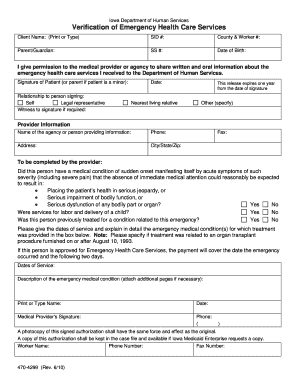
Definition and Purpose of the Request for Alternate Base Period
The request for an alternate base period is a specific form utilized by individuals seeking to establish their eligibility for unemployment benefits based on wages earned during an alternate timeframe. In contrast to the standard base period, typically the first four of the last five completed calendar quarters, this alternate period may better reflect a claimant's actual work situation and income.
The primary aim of this request is to allow workers whose recent earnings might not have met the minimum requirements in the standard base period, access to benefits calculated on a different timeline. This can be particularly beneficial for those who have encountered changes in employment status or periods of inactivity due to unforeseen circumstances, such as layoffs or health issues.
Necessary Steps for Completing the Request for Alternate Base Period
-
Gather Documentation: Collect all necessary wage information relevant to the alternate base period. This includes pay stubs, W-2 forms, or tax returns that reflect earnings during the requested time frame.
-
Complete the Form: Fill out the request for an alternate base period accurately. Clearly indicate your name, Social Security number, and all relevant contact information. Provide the timeframe for which you are requesting the alternate period, ensuring it meets the eligibility criteria.
-
Submit Supporting Evidence: Attach any supplementary documents that attest to the wages earned during the requested alternate base period. This may include an alternate base period affidavit if your state requires additional verification.
-
Application Review Process: After submission, state unemployment offices review the application. They will assess whether the alternate base period aligns with the regulations governing unemployment benefits.
-
Await Confirmation: Once your application has been processed, you will receive a notification regarding the approval or denial of your request for an alternate base period.
Important Deadlines to Consider
When filing for an alternate base period, be mindful of the deadlines that vary by state. These deadlines dictate when you can submit your application relative to when your claim for unemployment benefits is filed. Keeping track of these dates is essential to ensure your request is considered valid.
Eligibility Criteria for Alternate Base Period Requests
Individuals may qualify for the alternate base period if they meet specific eligibility criteria set by their state's unemployment insurance program. Common factors include:
- Insufficient Earnings: The standard base period does not reflect enough wages to qualify for benefits.
- Recent Job Loss: Individuals who recently lost their job or experienced significant reductions in income may be eligible.
- Employment Gaps: Those who have had breaks in employment due to valid reasons like health issues or caring for family members often qualify as well.
Each state may have unique stipulations; therefore, examining local guidelines can clarify specific conditions applicable to your situation.


Key Elements of the Request Form
The request for an alternate base period form usually comprises the following components:
- Claimant Information: Basic contact details and Social Security number of the applicant.
- Requested Timeframe: Clear specifications of the alternate base period the claimant seeks to use.
- Wage Documentation: Proof outlining the earnings during the requested period.
- Signature and Date: The claimant’s signature verifies the authenticity of the provided information.
All elements must be completed thoughtfully, as inaccuracies or omissions can lead to delay or denial of benefits.
Common Scenarios for Using the Alternate Base Period
There are several instances when a request for an alternate base period may be particularly beneficial:
- Seasonal Employment: Workers who only have earnings during specific times of the year might find their standard base period insufficient.
- New Job: Individuals who recently changed jobs might not have sufficient earnings in the standard base period but may qualify under an alternate timeframe.
- Return to Workforce: Those re-entering the job market after a significant hiatus may use this form to calculate their eligibility based on more recent employment history.
Required Documents for Submission
When preparing the request for an alternate base period, the following documentation is typically required:
- Proof of Employment: Recent pay stubs or W-2 forms demonstrating earnings.
- Affidavit of Unemployment: This may be needed for some states to affirm the legitimacy of your claim.
Ensuring submission of all required documents can facilitate a smoother approval process.
Submission Methods for the Request Form
The submission process for the request for an alternate base period varies by state. Common methods for submitting your request include:
- Online: Many states provide electronic submission options via their unemployment office websites. This is often the most efficient method.
- Mail: Alternative submission via postal service is usually available, though it may result in longer processing times.
- In-Person: Some claimants may choose to submit their requests in person at local unemployment offices, providing an opportunity for immediate assistance.
Confirm the exact methods available in your state to ensure compliance with local procedures.