Definition and Meaning of Buy Agreement Partnership
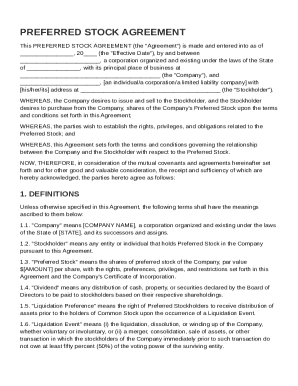
A buy agreement partnership is a legal contract designed to outline the terms under which a partner’s ownership interest in a partnership can be sold or transferred. This agreement is crucial for ensuring smooth transitions in ownership, particularly upon significant events such as a partner's retirement, death, or decision to leave the partnership. The buy agreement specifies procedures for notifying remaining partners of the intent to sell, methods for valuing the partner's interest, and the terms of payment.
Such agreements serve to protect the interests of all partners involved by stipulating clear rules and processes, thus preventing potential disputes and misunderstandings in the future. It ensures continuity of the business by allowing remaining partners to retain control over who joins the partnership, thereby maintaining the existing business culture and philosophy.
Important Terms Related to Buy Agreement Partnership
Understanding key terms associated with a buy agreement is essential for effective communication and implementation. Here are several important concepts:
- Valuation Methods: Different approaches used to determine the value of a partner's interest, which may include market value, book value, or agreed-upon formulas.
- Funding Mechanisms: Financial strategies involved in facilitating the buyout, such as life insurance policies or savings plans to secure necessary cash when a buyout is triggered.
- Triggering Events: Specific situations outlined within the agreement that can instigate the buy-sell process, such as death, disability, or voluntary exit.
- Amendments and Termination: Provisions that allow for changing or ending the agreement if circumstances change or if all partners agree to dissolution.
- Arbitration Clause: Specifies procedures for resolving disputes related to the buy agreement, which may include third-party arbitration to ensure unbiased resolutions.
Steps to Complete the Buy Agreement Partnership
Successfully executing a buy agreement partnership involves several critical steps. The following list provides a clear process:
- Draft the Agreement: Collaborate with legal counsel to create a comprehensive buy agreement that includes all necessary terms and definitions.
- Valuate the Partnership Interest: Determine the worth of the outgoing partner's share using the valuation methods outlined in the agreement.
- Notify Remaining Partners: If a partner intends to sell their interest, they must officially notify the other partners as per the procedures set forth in the agreement.
- Determine Payment Structure: Decide on how the payment will be made, including whether it will be a lump sum or installment payments.
- Complete the Transaction: Once all terms are agreed upon and payments are arranged, formalize the transaction with legal signatures from all parties involved.
- Update Partnership Records: Keep accurate records of the transaction and update any legal documentation that reflects the change in partnership structure.
Who Typically Uses the Buy Agreement Partnership
Buy agreements are commonly utilized by various entities operating under partnership structures, including:
- General Partnerships: Businesses where partners share profits, losses, and management responsibilities.
- Limited Partnerships: Business entities with both general and limited partners, where the latter typically have limited liabilities and roles.
- Limited Liability Companies (LLCs): Although not traditional partnerships, LLCs often use buy agreements to manage member interests.
- Professional Partnerships: Groups of professionals, such as lawyers or accountants, who may wish to preserve the continuity of practice when changes in partnership arise.
These buy agreements ensure that all partners have clarity about their rights and obligations, enhancing the stability of the partnership.

Examples of Using the Buy Agreement Partnership
Real-world scenarios illustrate the importance and application of buy agreements in partnerships:
-
Retirement Scenario: A partner in a law firm decides to retire. The firm uses the buy-sell agreement to determine the value of the retiring partner's share based on recent earnings and client lists, ensuring a fair buyout.
-
Disability Clause: A partner becomes disabled and cannot continue to work. With the buy agreement in place, the remaining partners can invoke the disability clause to buy out the disabled partner’s interest without significant disruption to operations.
-
Death of a Partner: In the event of a partner's death, the buy agreement can specify that the deceased partner's estate sells the interest to the remaining partners, allowing for a smooth transition of ownership without involving the heirs in business operations.
Legal Use of the Buy Agreement Partnership
The legal enforceability of buy agreements relies upon several factors, ensuring they are compliant with state laws and regulations. Key components include:
- Written Agreement: An oral agreement might not hold up in court; thus, having a written document is essential for legal validity.
- Clarity of Terms: The agreement's terms should be clearly defined, including valuation methods and triggering events, to prevent ambiguity in execution.
- Signatures of All Partners: For the agreement to be legally binding, all current partners must sign it, demonstrating their acceptance of the terms.
- Legal Compliance: Adherence to local laws regarding partnerships and buy-sell agreements is crucial, which may require consultation with legal professionals.
Issues related to legality can arise if an agreement is challenged, hence the importance of meticulous drafting and proper execution.