



Understanding the Borrowed Vehicle Agreement Form
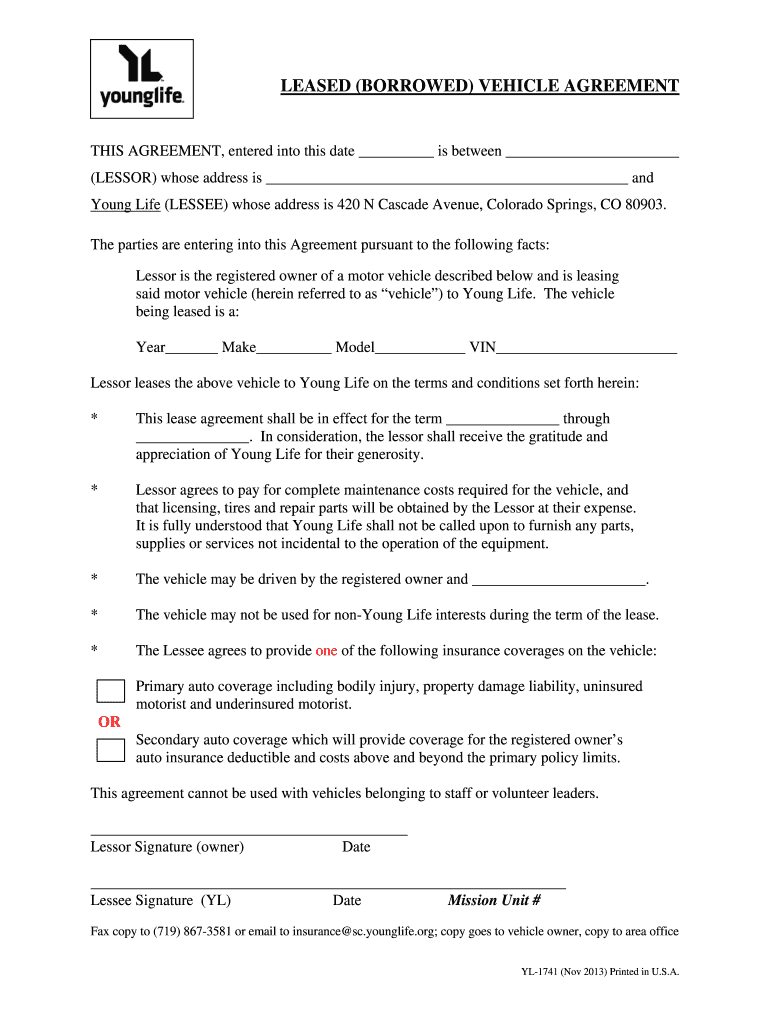
A borrowed vehicle agreement form is a crucial document that outlines the terms of borrowing a vehicle between two parties. This form ensures that both the lender and borrower understand their rights, responsibilities, and liabilities regarding the use of the vehicle. It plays a significant role in establishing clear expectations and protecting both parties in case of disputes.
Key Components of the Borrowed Vehicle Agreement
The agreement typically includes several important elements:
-
Identification of Parties: Clearly state the full names and addresses of both the vehicle owner (lender) and the person borrowing the vehicle (borrower). This identification is critical for legal recognition and accountability.
-
Description of Vehicle: Include the details such as make, model, year, color, and Vehicle Identification Number (VIN). Providing specific vehicle information minimizes ambiguity and improves tracking in case of issues.
-
Terms of Borrowing: Specify the time period for which the vehicle is being borrowed. This should include the start and end dates of the borrowing arrangement, as well as any conditions for early return.
-
Usage Restrictions: Outline how the vehicle may be used. This can include prohibitions against off-road use, commercial use, or allowing other individuals to drive the vehicle without consent.
-
Liability and Insurance: This section should cover liability in the event of accidents, damage, or theft. It might also specify whether the borrower must maintain insurance coverage during the borrowing period.
Steps to Create a Borrowed Vehicle Agreement Form PDF
Creating a borrowed vehicle agreement form can be done through a structured process:
-
Template Selection: Start with a downloaded template to ensure compliance with legal standards.
-
Input Basic Information: Fill in the identification of parties, vehicle details, and the duration of the agreement.
-
Draft Terms: Be specific about usage restrictions and responsibilities, ensuring clarity regarding liability and insurance requirements.
-
Review: Both parties should review the agreement for understanding and agreement on the terms stated.
-
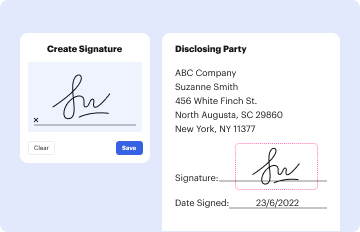
Signatures: Once both parties are satisfied, provide signature lines for the lender and borrower, along with the date of the agreement.
-
Finalize Document: Save the document as a PDF for secure sharing and printing.
Common Use Cases for Borrowed Vehicle Agreement Forms
These agreements are commonly used in various scenarios, including:
- Family and Friends: When someone borrows a vehicle from a relative or friend.
- Companies: Businesses often use these forms when employees need to borrow company vehicles for work-related tasks.
- Rental Agreements: In situations where a vehicle is temporarily lent to another party under a rental or lease arrangement.
Legal Considerations of Borrowing a Vehicle
In the United States, it is important to note the legal implications of borrowing a vehicle. The borrower typically assumes responsibility for obeying traffic laws and may face legal consequences in case of accidents. Additionally, the vehicle owner's insurance policy may cover the vehicle even when it's being used by a borrower, but this varies by insurance policy. Therefore, understanding the insurance implications is vital for both parties.
Importance of Written Agreements
While verbal agreements might suffice in casual arrangements, a written borrowed vehicle agreement provides substantial protection. It minimizes misunderstandings and provides a clear reference point if disputes arise, thus offering peace of mind for both parties involved. It also serves as legal documentation that may be required by law enforcement or insurance companies in case of disputes or accidents.
Conclusion on Borrowed Vehicle Agreement Forms
The borrowed vehicle agreement form is an essential document that fosters transparency and outlines the responsibilities of both the borrower and lender. By clearly defining the terms, protecting both parties’ interests, and ensuring compliance with legal standards, this form becomes a pivotal tool in the vehicle borrowing process.