



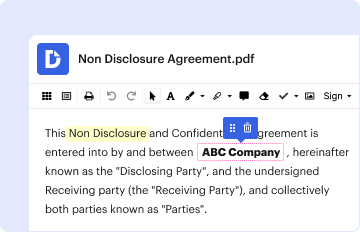
01. Edit your form online
Type text, add images, blackout confidential details, add comments, highlights and more.

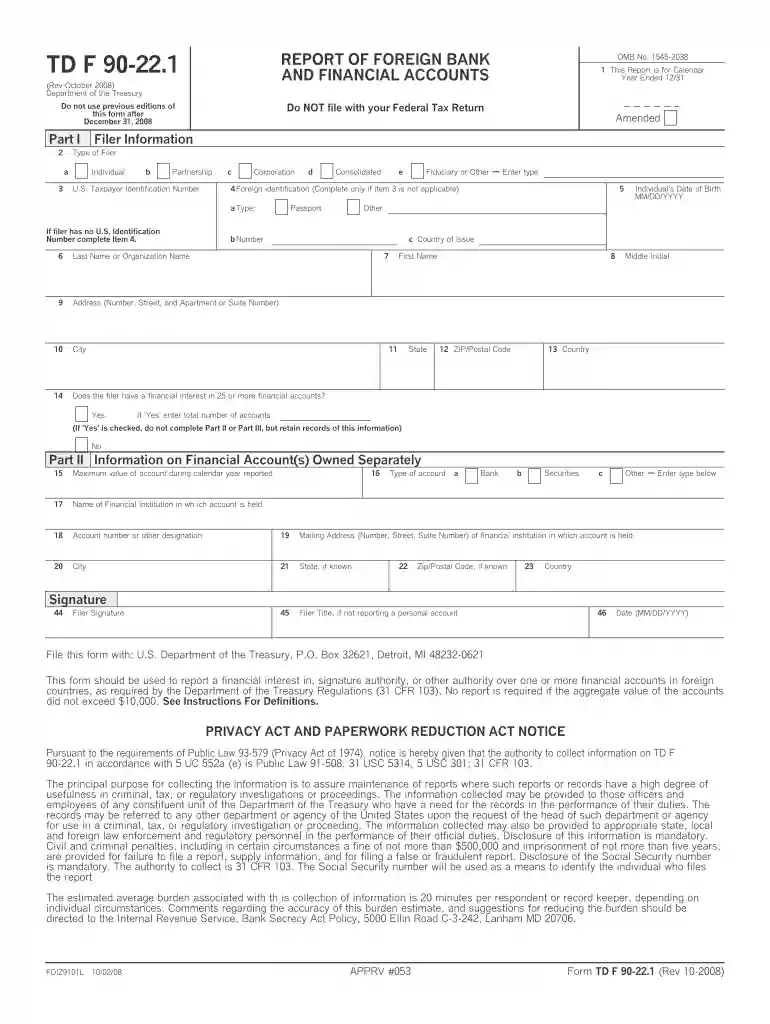
Type text, add images, blackout confidential details, add comments, highlights and more.
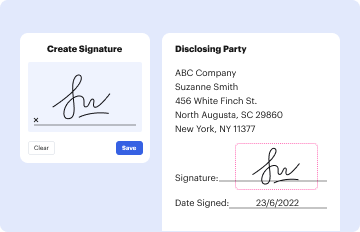
Draw your signature, type it, upload its image, or use your mobile device as a signature pad.

Send it via email, link, or fax. You can also download it, export it or print it out.
The form88a 2008 is a document used primarily for specific reporting or compliance purposes. Depending on its context, the form88a may be a part of tax filings, financial disclosures, or legal compliance requirements. Understanding the exact intent behind this form is crucial, as it impacts how it should be completed and filed. Often, forms like the form88a 2008 are standardized by government entities and play a role in ensuring adherence to certain regulations.
The form's designation, "88a," typically indicates a series or classification within a broader set of forms. This might appear in varied contexts, such as tax regulations or business filings, signifying its purpose within a structured filing system.
Gather Required Information: Before starting, assemble all necessary data and documents. This might include financial records, personal identification, and any supporting documents related to the form88a's purpose.
Read Instructions Thoroughly: Each form will have instructions detailing its completion. Pay close attention to ensure compliance with every section.
Fill Out the Form Precisely: Use precise information for each field. Double-check entries like numerical values and identification numbers to prevent errors.
Review for Accuracy: After completing the form, review each section to confirm accuracy, completeness, and consistency with attached documents.
Sign and Date: Ensure that the form is duly signed and dated by authorized individuals.
Submit Prior to Deadline: Choose the appropriate submission method, whether digital or paper, and ensure timely filing to meet any relevant deadlines.
Forms like the form88a 2008 can typically be obtained through various official channels such as:
Government Websites: Some forms are available for download from official government or agency websites, offering the most current version.
In-Person at Government Offices: Many forms can be directly obtained from local government offices, libraries, or community centers.
Professional Services: Accountants or compliance specialists may provide the form in the context of their services.
Form88a 2008 is often used by a specific demographic based on its regulatory or administrative function. Typical users might include:
Businesses and Corporations: Companies involved in activities regulated by form88a requirements might use this form to remain compliant.
Taxpayers with Specialized Reporting Requirements: In cases where the form is tax-related, it may be necessary for individuals with foreign accounts, specialized incomes, or unique deductions.
Legal Entities: Depending on its legal nature, it could be required by organizations with specific reporting obligations.


Legal adherence to regulations necessitates correctly completing and submitting form88a 2008. This form may be linked to various compliance aspects such as:
Tax Compliance: Ensuring accurate and truthful tax reporting can prevent penalties.
Financial Disclosures: Maintaining transparency about financial activities or accounts relevant to legal or regulatory obligations.
Regulatory Filings: Meeting specific legislations that mandate disclosure, compliance, or other reporting.
Federal and state-specific laws might dictate further legal nuances, making it essential to understand locale-specific requirements.
Understanding specific terms associated with form88a 2008 is vital:
Filer: The individual or entity responsible for completing and submitting the form.
Compliance: Adherence to applicable laws and regulations regarding form usage.
Disclosure: The act of making pertinent information transparent, often central to the form's intention.
Their comprehension aids in accurately completing the form, ensuring no aspect is overlooked.
Key elements often included in forms like the form88a 2008 may encompass:
Personal or Business Information: This could involve entering identifying information about the filer or the entity.
Financial Reporting Sections: Areas requiring the disclosure of financial data or related particulars.
Signatures and Authorizations: Fields requiring official authorization to validate the document.
Each element plays a crucial role in defining the form's intent and ensuring it performs its regulatory function fully.
Failure to correctly complete or submit form88a 2008 may result in significant penalties, including:
Financial Penalties: Monetary fines often follow non-compliance, scaled according to the severity or nature of the oversight.
Legal Repercussions: Possible legal actions or proceedings due to regulatory violations.
Administrative Consequences: This could involve delays in processing or denials of rights or privileges linked to correctly executing the form.
Understanding penalties aids in promoting compliance and avoiding detrimental outcomes.
We've got more versions of the form88a 2008 form. Select the right form88a 2008 version from the list and start editing it straight away!
Of course, it is possible with DocHub. This trustworthy and compliant online service has a phone-based signing option. When you log in to your DocHub account and add your form88a 2008 to our editor, complete all required fields and utilize the Sign tool on the top barf. Click on Create your signature and choose Phone from the available choices. Here, you scan a QR code using your smartphone and draw your signature on your phone display, as you normally do when signing hard copies. If you access DocHub right from your mobile device, you can electronically sign your template by drawing your electronic signature, uploading its photo, or simply with a typed name.
Apart from a comprehensive toolset for editing PDFs on mobile phones, DocHub enables you to sign your form88a 2008 along the way. Open our editor in your internet browser, make changes using DocHub’s toolset, and complete your editing by eSigning the finished form.
At DocHub, your data security is our priority. We follow HIPAA, SOC2, GDPR, and other standards, so you can work on your documents with confidence.
Mar 10, 2022 Dr. Mick provided information about the number of students that received services at the counseling center and the number of counselingRead more
Form 88A-7060-F4 (01-2004) EF (09-2008). Address. Date October 2008. Department of the Treasury. İnbarnal Ravenue Senice. Request for Copy of Tax Retum.Read more


