



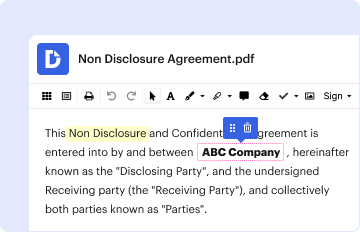
01. Edit your fbar form 114 online
Type text, add images, blackout confidential details, add comments, highlights and more.

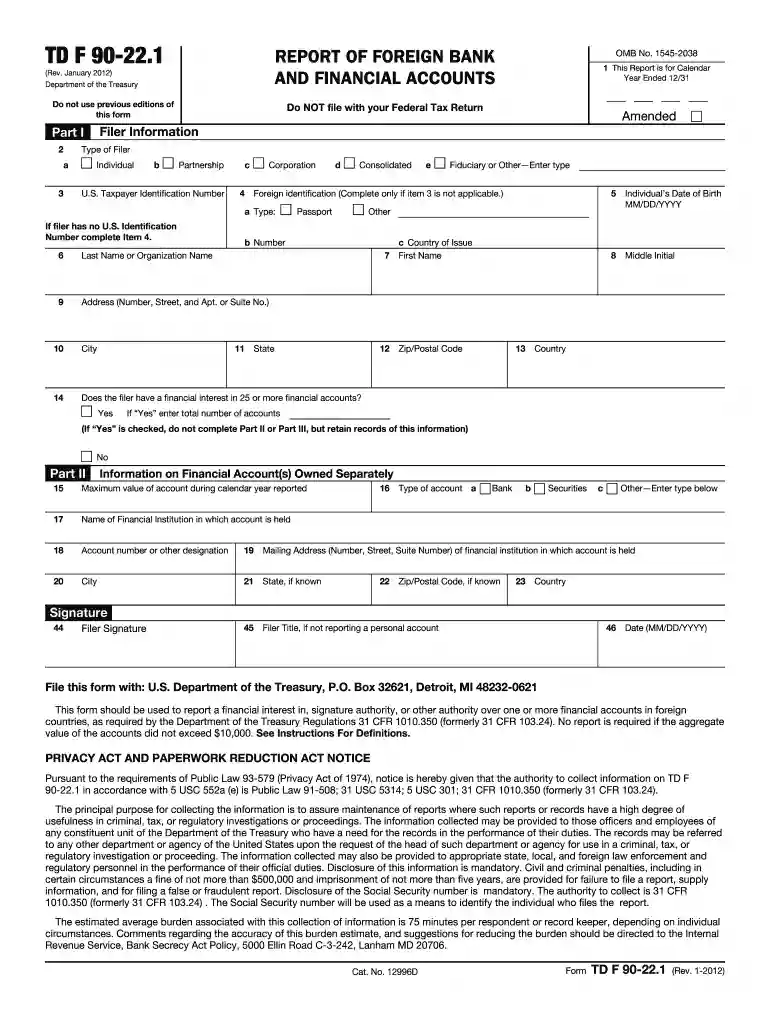
Type text, add images, blackout confidential details, add comments, highlights and more.
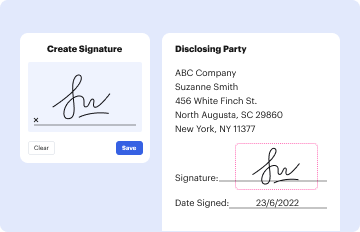
Draw your signature, type it, upload its image, or use your mobile device as a signature pad.

Send report of foreign bank and financial accounts fbar via email, link, or fax. You can also download it, export it or print it out.
A foreign account bank generally refers to accounts held in banks located outside the account holder’s country of residence. In the context of U.S. residents, these accounts are typically located in financial institutions abroad. Foreign bank accounts are often used for various purposes, such as business transactions, investments in foreign currency, and personal savings in a jurisdiction outside the United States. Understanding the nature of these accounts is crucial for compliance with U.S. regulations, especially concerning taxation and reporting requirements.
Utilizing a foreign account bank involves understanding both the utility of such accounts and the obligations that come with them. Users typically leverage these accounts for managing international transactions, securing assets in diverse currencies, or even as tax-efficient investment tools.
Completing foreign account bank reporting requires a methodical approach to ensure compliance with all legal stipulations. The key document in this reporting process is the FBAR.
Various individuals and entities may find foreign account banks beneficial. Those who engage in international business operations or hold assets overseas often utilize these accounts.
Understanding the terminology associated with foreign account banks is essential for anyone involved in maintaining such accounts.
Legal use of foreign accounts involves a thorough understanding of the U.S. and foreign regulations governing such accounts to ensure compliance.
The IRS provides detailed guidelines to ensure transparent reporting of foreign accounts, aiming to prevent tax evasion and ensure proper taxation.
The U.S. government imposes strict penalties for failure to report foreign bank accounts according to compliance regulations.
By following the structured approach detailed in each block, individuals and businesses can efficiently manage foreign accounts while ensuring compliance with U.S. treasury and tax laws.
We've got more versions of the fbar form 114 form. Select the right fbar form 114 version from the list and start editing it straight away!
At DocHub, your data security is our priority. We follow HIPAA, SOC2, GDPR, and other standards, so you can work on your documents with confidence.




You are required to file an FBAR if you meet the following three criteria: You are a US individual, including: You must report foreign bank accounts.Read more
Apr 10, 2025 You report the accounts by filing a Report of Foreign Bank and Financial Accounts (FBAR) on Financial Crimes Enforcement Network (FinCEN) Form 114.Read more
Open accounts backed by Tier-1 correspondent banks and insurance mandates. Transact locally and internationally in over 30 fiat and digital currencies.Read more


