Manage Washington State Rental Laws easily online

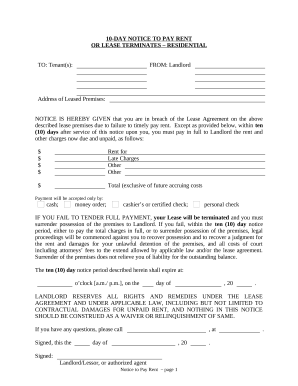
Document administration can overpower you when you can’t locate all of the documents you need. Fortunately, with DocHub's considerable form categories, you can get everything you need and quickly deal with it without the need of changing between software. Get our Washington State Rental Laws and start working with them.

Using our Washington State Rental Laws using these easy steps:

  1. Examine Washington State Rental Laws and choose the form you need.
  2. Preview the template and click on Get Form.
  3. Wait for it to open in the online editor.
  4. Modify your document: add new information and images, and fillable fields or blackout some parts if necessary.
  5. Fill out your document, preserve changes, and prepare it for sending.
  6. When you are ready, download your form or share it with your contributors.

Try out DocHub and browse our Washington State Rental Laws category without trouble. Get your free profile today!


Video Guide on Washington State Rental Laws management

video background

Commonly Asked Questions about Washington State Rental Laws

Landlord Maintenance Responsibilities: Except where the condition is attributable to normal wear and tear, landlords must make repairs and arrangements necessary to put and keep the premises in as good condition as it by law or rental agreement should have been, at the commencement of the tenancy (RCW 59.18. 060(5)).
In Washington, landlords are allowed to raise rent at any amount as long as it is not discriminatory or retaliatory. However, there are no state-mandated limits on rent increases, so it is up to the landlord to determine the amount of the rent increase.
The landlord cannot put something in an agreement that: Gives up (waives) any right the Landlord-Tenant Act gives you. Makes you give up your right to defend yourself in court against the landlord. Limits the landlords legal accountability where they would normally be responsible.
3. Washington state eviction laws are changing. Statewide, in 2024 landlords and tenants will be able to request that their eviction hearing is held remotely. The courts will need to grant a request unless there is a reason for needing them to attend in person.
Landlords are generally prohibited from locking a tenant out of the premises, from taking a tenants property for nonpayment of rent (except for abandoned property under certain conditions), or from intentionally terminating a tenants utility service. Various penalties exist for violating these protections.
12 month rent rises as of 29 July 2024. Rent increases will only be allowed once every 12 months. For periodic rental agreements (with no end date), the minimum 12-month time frame between rent increases will apply from 29 July 2024, regardless of when the agreement was signed.
Verbal threats, threats of physical violence, or actual physical contact are all examples of landlord harassment. Also, keep in mind that verbal threats can occur via face-to-face interaction, over the phone, or in writing.