
Create your Washington State Rental Law from scratch

Start Building Now
Title decoration

Here's how it works

01. Start with a blank Washington State Rental Law
Open the blank document in the editor, set the document view, and add extra pages if applicable.
02. Add and configure fillable fields
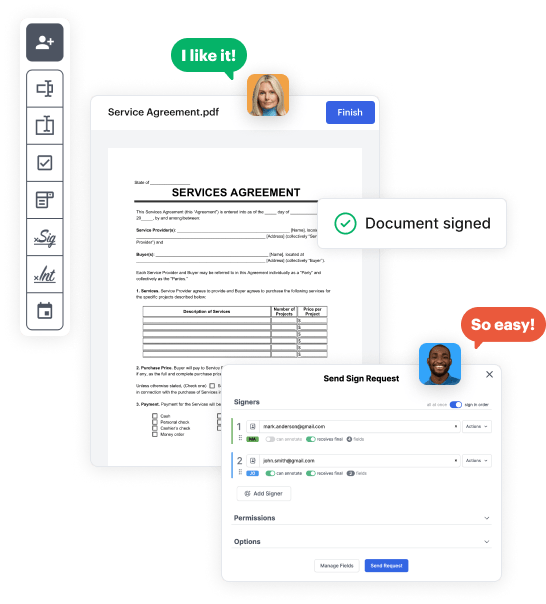
Use the top toolbar to insert fields like text and signature boxes, radio buttons, checkboxes, and more. Assign users to fields.
03. Distribute your form
Share your Washington State Rental Law in seconds via email or a link. You can also download it, export it, or print it out.

A detailed walkthrough of how to design your Washington State Rental Law online

Form edit decoration

Step 1: Start with DocHub's free trial.

Visit the DocHub website and register for the free trial. This provides access to every feature you’ll need to build your Washington State Rental Law without any upfront cost.

Step 2: Navigate to your dashboard.

Log in to your DocHub account and navigate to the dashboard.

Step 3: Initiate a new document.

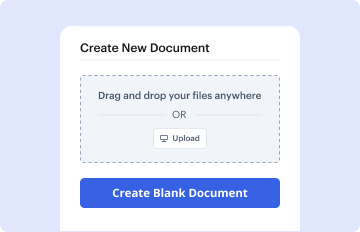
Hit New Document in your dashboard, and choose Create Blank Document to craft your Washington State Rental Law from the ground up.

Step 4: Utilize editing tools.

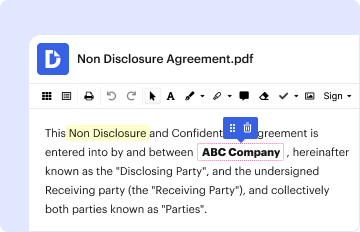
Add different fields such as text boxes, radio buttons, icons, signatures, etc. Arrange these fields to match the layout of your document and assign them to recipients if needed.

Step 5: Organize the form layout.

Rearrange your document effortlessly by adding, moving, deleting, or combining pages with just a few clicks.

Step 6: Set up the Washington State Rental Law template.

Turn your newly designed form into a template if you need to send multiple copies of the same document numerous times.

Step 7: Save, export, or share the form.

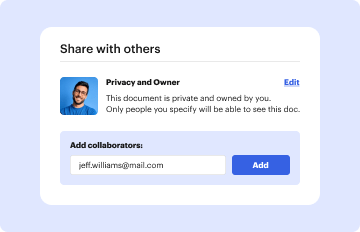
Send the form via email, share a public link, or even publish it online if you want to collect responses from a broader audience.


be ready to get more

Build your Washington State Rental Law in minutes

Start creating now

Got questions?

We have answers to the most popular questions from our customers. If you can't find an answer to your question, please contact us.
Contact us
If you have residents due to move in or out in 2024, be aware that security deposit rules have changed under Washington state landlord-tenant laws. Now when you collect a security deposit, you will need to give the new tenant a written checklist that outlines the cleanliness of the rental home and any existing damage.
12 month rent rises as of 29 July 2024. Rent increases will only be allowed once every 12 months. For periodic rental agreements (with no end date), the minimum 12-month time frame between rent increases will apply from 29 July 2024, regardless of when the agreement was signed.
(Effective January 1, 2028.) (1)(a) A landlord may not evict a tenant, refuse to continue a tenancy, or end a periodic tenancy except for the causes enumerated in subsection (2) of this section and as otherwise provided in this subsection.
In 2021, the Washington State Legislature passed and Governor Inslee signed legislation, which required landlords to provide notice at least 14 days before initiating an eviction proceeding, and made changes to the notice form that landlords must send to tenants if they fail to pay rent, utilities or another periodic
Under Washington law, a late fee cannot exceed 20% of the monthly rent amount. For example, on a $1,000 rent payment, the maximum allowable late fee is $200. Landlords must provide tenants with a written notice specifying the amount of rent due, when it is considered late, and the amount of any late fees charged.
be ready to get more

Build your Washington State Rental Law in minutes

Start creating now

Related Q&A to Washington State Rental Law

3. Washington state eviction laws are changing. Statewide, in 2024 landlords and tenants will be able to request that their eviction hearing is held remotely. The courts will need to grant a request unless there is a reason for needing them to attend in person.
Landlords must give 120 days notice for the termination of month-to-month tenancies before major building changes that require tenants to leave the building. Previously, 20 days notice was required. As a reminder, an owner or immediate family needing to occupy the unit doesnt qualify as change of use.
If they decide not to renew the lease, they must provide 60 days notice. This will give you time to start marketing the property and hopefully find a new tenant to move in as soon as they leave.

Additional resources on building your forms


