
Supercharge your work productivity with Uniform Commercial Code Documents

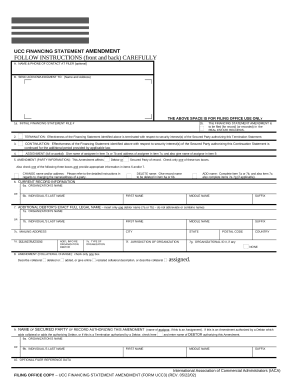
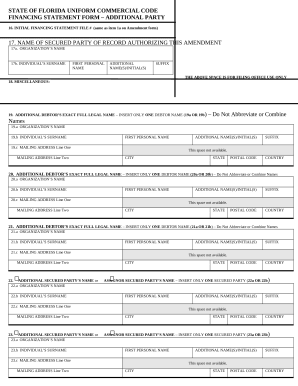
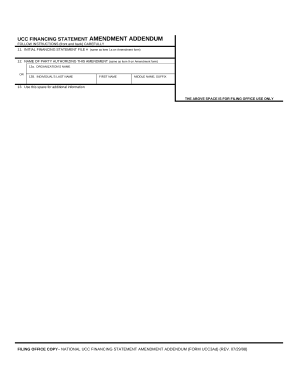
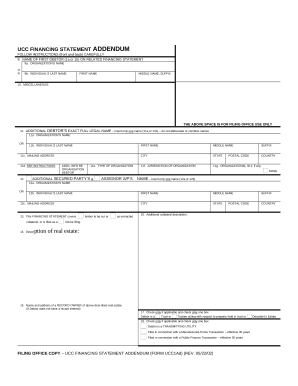
Record management occupies to half of your business hours. With DocHub, it is easy to reclaim your office time and boost your team's productivity. Get Uniform Commercial Code Documents collection and check out all document templates relevant to your everyday workflows.

Effortlessly use Uniform Commercial Code Documents:

  1. Open Uniform Commercial Code Documents and utilize Preview to obtain the relevant form.
  2. Click on Get Form to start working on it.
  3. Wait for your form to upload in the online editor and start modifying it.
  4. Add new fillable fields, icons, and images, adjust pages order, etc.
  5. Fill your template or set it for other contributors.
  6. Download or share the form by link, email attachment, or invite.

Speed up your everyday document management using our Uniform Commercial Code Documents. Get your free DocHub account right now to discover all templates.


Video Guide on Uniform Commercial Code Documents management

video background

Commonly Asked Questions about Uniform Commercial Code Documents

Within the code one of the most important articles is Article 9, Secured Transactions, which provides the governing rules for any transaction that combines a debt with a creditors interest in a debtors personal property. In 1998 revisions to Article 9 were completed and were approved by all fifty states by 2001.
Primary tabs U.C.C. - ARTICLE 1 - GENERAL PROVISIONS (2001) U.C.C. - ARTICLE 2 - SALES (2002) U.C.C. - ARTICLE 2A - LEASES (2002) U.C.C. - ARTICLE 3 - NEGOTIABLE INSTRUMENTS (2002) U.C.C. - ARTICLE 4 - BANK DEPOSITS AND COLLECTIONS (2002) U.C.C. - ARTICLE 4A - FUNDS TRANSFER (2012)
Although there are slight variations from state to state, the UCC consists of nine articles governing various types of transactions, including banking and loans.
Article 9 Multiple Contracts Subject to the provisions of Articles 6(3)-6(7) and 23(4), claims arising out of or in connection with more than one contract may be made in a single arbitration, irrespective of whether such claims are made under one or more than one arbitration agreement under the Rules.
(16) Document of title includes bill of lading, dock warrant, dock receipt, warehouse receipt or order for the delivery of goods, and also any other document which in the regular course of business or financing is treated as adequately evidencing that the person in possession of it is entitled to receive, hold, and
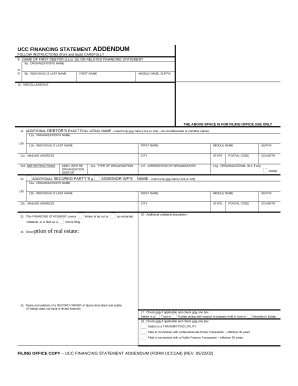
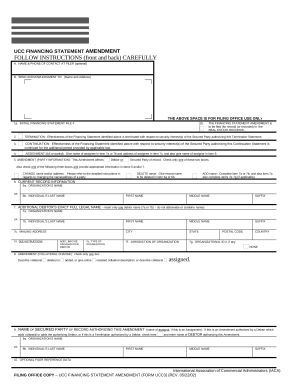
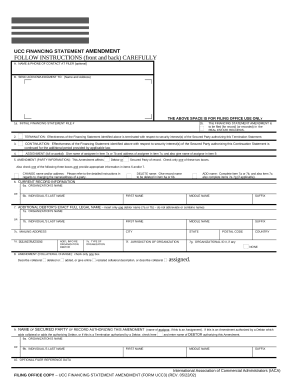
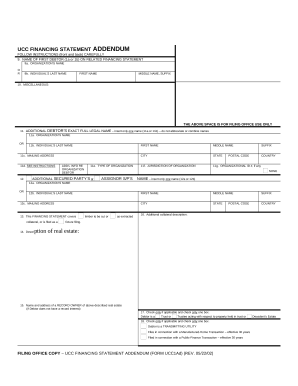
Article 9 of the Uniform Commercial Code requires a financing statement to include the name of the debtor. It is important to set forth the exact legal name of the debtor in any filings that are made.
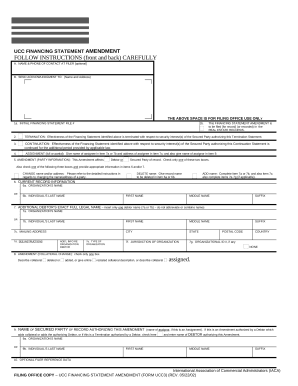
Uniform Commercial Code (UCC) filings allow creditors to notify other creditors about a debtors assets used as collateral for a secured transaction. UCC liens filed with Secretary of State offices act as a public notice by the creditor of the creditors interest in the property.
The Uniform Commercial Code (UCC) is a comprehensive set of laws governing all commercial transactions in the United States. It is not a federal law, but a uniformly adopted state law. Uniformity of law is essential in this area for the interstate transaction of business.