




01. Edit your it 204 ip instructions online
Type text, add images, blackout confidential details, add comments, highlights and more.

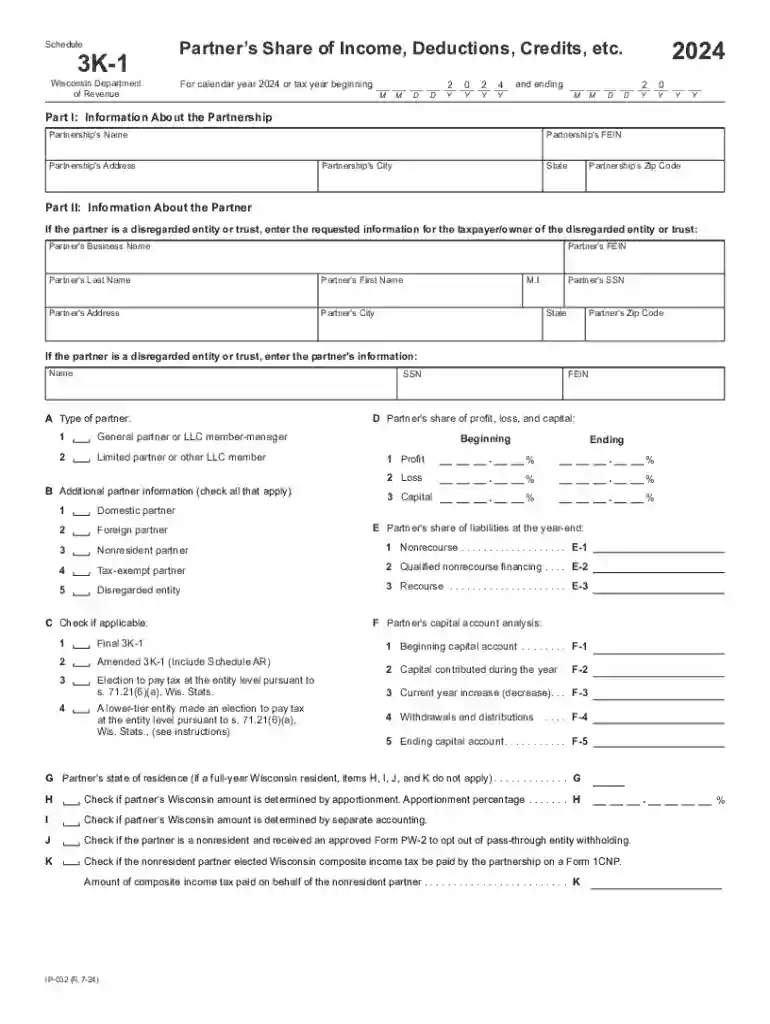
Type text, add images, blackout confidential details, add comments, highlights and more.

Draw your signature, type it, upload its image, or use your mobile device as a signature pad.

Send it 204 ip via email, link, or fax. You can also download it, export it or print it out.
Form IT-204-IP, known as the New York Partner's Schedule K, is essential for partners in partnerships operating within New York State. The primary function of this form is to report the income, deductions, and credits allocated to partners under the partnership agreement. It ensures compliance with state tax regulations by providing detailed financial data mandatory for accurate tax assessment.
Understanding these elements helps in the accurate allocation of taxable income to partners, ensuring compliance with state tax laws.
Instructions for Form IT-204-IP can be accessed through various means:
Having detailed instructions helps navigate complex tax obligations, ensuring comprehensive understanding and compliance.
Aligning with New York State tax filing schedules is crucial:
Meeting these dates helps avoid late filing penalties and ensures smooth compliance with New York tax laws.
This form is mainly utilized by:
Ensuring the appropriate stakeholders are aware of their obligations fosters compliance and accurate financial reporting.
Acquainting yourself with these terms ensures clarity when completing the form and discussing tax obligations.
Non-compliance can result in:
Understanding these penalties underscores the importance of accurate and on-time submissions.
New York has unique adjustments that require:
These adjustments ensure compliance specific to New York tax laws, thereby avoiding costly errors and penalties.
We've got more versions of the it 204 ip instructions form. Select the right it 204 ip instructions version from the list and start editing it straight away!
| Versions | Form popularity | Fillable & printable |
|---|---|---|
| 2025 | 4.3 Satisfied (49 Votes) | |
| 2024 | 4.6 Satisfied (34 Votes) | |
| 2023 | 4.2 Satisfied (54 Votes) | |
| 2022 | 4.8 Satisfied (57 Votes) | |
| 2020 | 4.1 Satisfied (32 Votes) | |
| 2020 | 4.4 Satisfied (252 Votes) | |
| 2018 | 4.2 Satisfied (60 Votes) | |
| 2017 | 4.3 Satisfied (124 Votes) | |
| 2016 | 4.3 Satisfied (92 Votes) | |
| 2015 | 4.4 Satisfied (1288 Votes) | |
| 2014 | 4 Satisfied (26 Votes) | |
| 2013 | 4.2 Satisfied (70 Votes) | |
| 2012 | 4 Satisfied (20 Votes) | |
| 2011 | 4 Satisfied (52 Votes) |
At DocHub, your data security is our priority. We follow HIPAA, SOC2, GDPR, and other standards, so you can work on your documents with confidence.

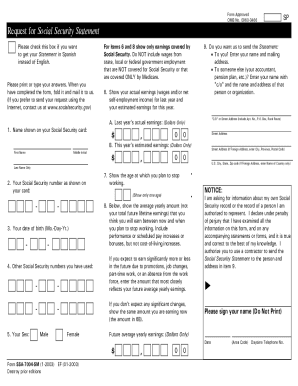


Use these instructions to help you report on your personal income tax return the items shown on all your Forms IT-204-IP, as reported by the partnership(s).
Instructions for Form IT-204-IP (see instructions) Department of Taxation and NYC full-year resident NYC part-year resident. New York Partners


