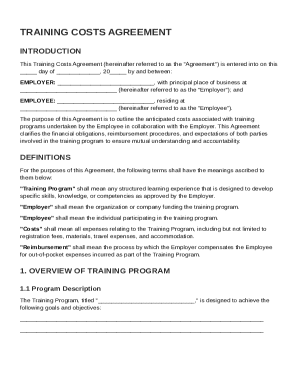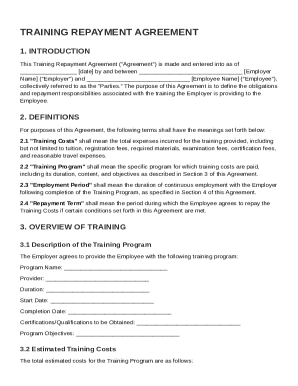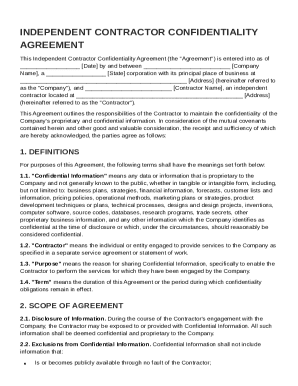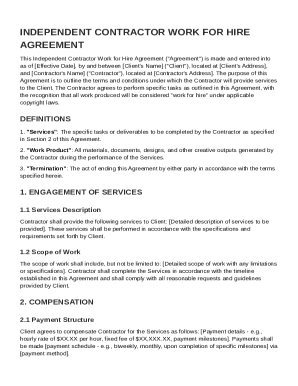
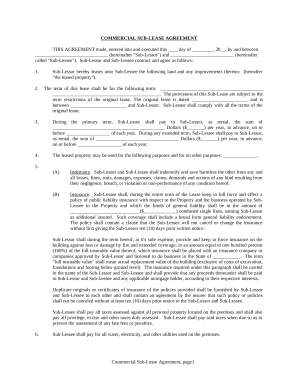
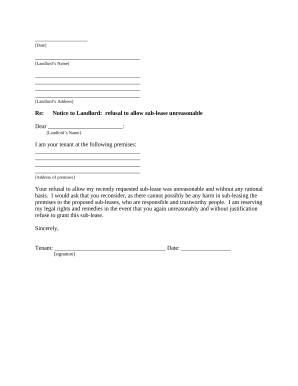
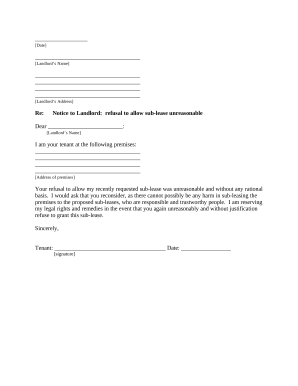
Raise your production with Tenant Sublease Rights

Form administration takes up to half of your business hours. With DocHub, it is simple to reclaim your time and effort and boost your team's efficiency. Get Tenant Sublease Rights collection and discover all document templates relevant to your daily workflows.

The best way to use Tenant Sublease Rights:

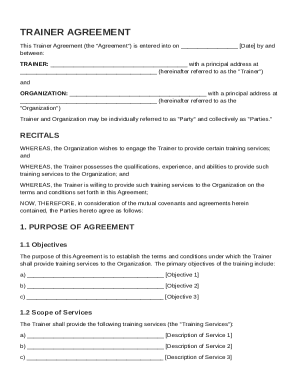
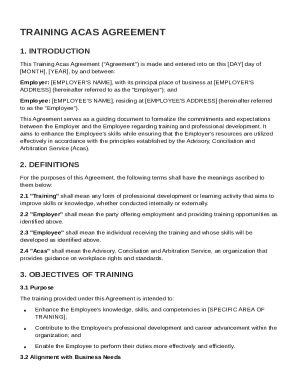
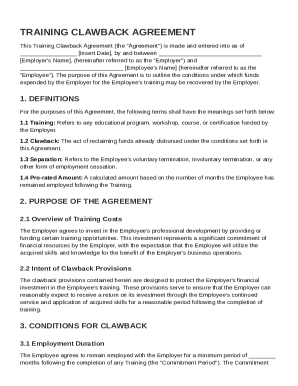
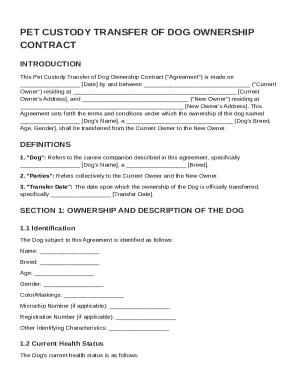
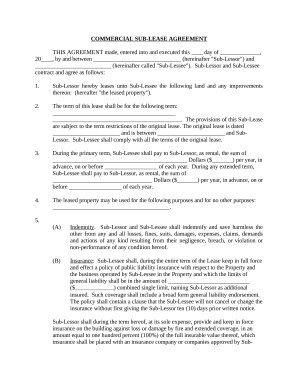
  1. Open Tenant Sublease Rights and use Preview to get the suitable form.
  2. Click Get Form to start working on it.
  3. Wait for your form to open in our online editor and begin modifying it.
  4. Add new fillable fields, symbols, and images, modify pages order, etc.
  5. Complete your form or prepare it for other contributors.
  6. Download or deliver the form by link, email attachment, or invite.

Improve your daily file administration with the Tenant Sublease Rights. Get your free DocHub profile today to explore all templates.


Video Guide on Tenant Sublease Rights management

video background

Commonly Asked Questions about Tenant Sublease Rights

Tenants Rights and Responsibilities. In New York City, tenants have many rights relating to the safety and quality of their housing. Tenants should expect to live in safe, well-maintained buildings that are free from vermin, leaks, and hazardous conditions. Laws protect tenants from harassment and discrimination.
New York landlords must follow a strict legal process for evictions, which includes serving proper notices, filing a court action, and obtaining a court order before an eviction can take place. Self-help measures such as changing locks or physically removing a tenant are illegal.
Under the new Good Cause Eviction law, New Yorkers have the right to continue living in their homes without fear of unreasonable eviction or extreme rent increases. In many situations, tenants of market rate housing will now be covered by more expansive protections. Read below for details.
Like any other tenant, subtenants must be evicted properly through the courts, or a master tenant or landlord could face severe legal consequences. Generally, a master tenant, landlord or property manager may evict a subletter for the same reasons as they would a tenant.
In New York 5 Page 9 City, 30 days notice is required, rather than one month. Landlords do not need to explain why the tenancy is being terminated, they only need to provide notice that it is, and that refusal to vacate will lead to eviction proceedings.
Real Property Law Section 226-b in conjunction with the Rent Stabilization Law gives tenants the right to sublease their apartment for a period of two out of every four years. In order to sublease an apartment, it is necessary that prior to the subleasing that the apartment be the tenants primary residence.
A month-to-month tenancy may be terminated by either party. If the landlord plans to terminate, they must give notice on the same timeline as terminating non-regulated leases (as described on the previous page). Outside of New York City, the tenant must give one months notice to terminate the tenancy.
There are several ways to report suspected illegal short-term rentals in your building or neighborhood. You can call 311 and follow the prompts; or submit a complaint online.