

Manage Tenant Default Letters quickly online

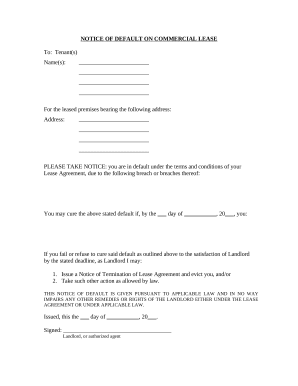
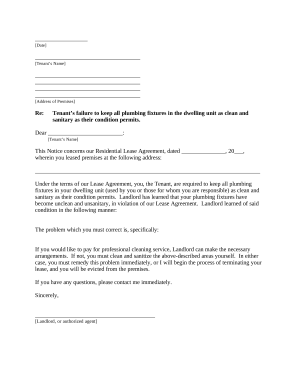
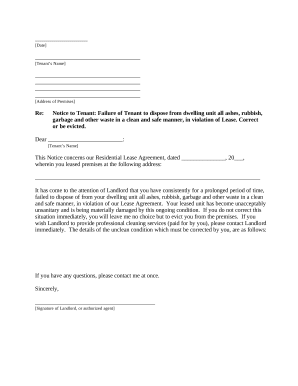
Document administration can overpower you when you can’t find all the forms you require. Luckily, with DocHub's substantial form collection, you can discover all you need and promptly handle it without changing between programs. Get our Tenant Default Letters and start utilizing them.

The best way to manage our Tenant Default Letters using these simple steps:

  1. Browse Tenant Default Letters and choose the form you require.
  2. Preview the template and click Get Form.
  3. Wait for it to open in the online editor.
  4. Change your document: include new information and pictures, and fillable fields or blackout some parts if required.
  5. Prepare your document, conserve changes, and prepare it for sending.
  6. When you are ready, download your form or share it with other contributors.

Try out DocHub and browse our Tenant Default Letters category easily. Get your free account today!


Video Guide on Tenant Default Letters management

video background

Commonly Asked Questions about Tenant Default Letters

Default tenancy is shared. You and other customers all have VMs on the same hypervisor, and the separation is programmatic. Dedicated tenancy means youre the only customer running anything on that host.
If you fail to comply with the terms of the promissory note or mortgage (or deed of trust) you signed when taking out your home loan, youre considered in default. The most common default type is falling behind in the required monthly payments. But bdocHubing other terms in the loan contract is also a default.
Where a tenant fails to make rent payments or falls behind on them, they can be said to be in default. Default on payment of rent can lead in turn to a landlord being unable to make their mortgage payments, thereby threatening their property interest.
What is the most common form of landlord default? Failure to provide services and maintain the property condition. What is the most common form of tenant default? Failure to pay rent or maintain the premises.
A default is a failure to comply with a provision in the lease. Curing or remedying the default means correcting the failure or omission. A common example is a failure to pay the rent on time.
Commercial leases require an effective default clause that allows the landlord to force a tenant to comply with all lease obligations. The default clause commonly provides the procedure for obtaining an eviction or the threat of an eviction for a commercial tenants violation of the lease.
A default occurs when a borrower stops making required payments on a debt. Defaults can occur on secured debt, such as a mortgage loan secured by a house, or on unsecured debt, such as credit cards or student loans. Defaults expose borrowers to legal claims and may limit their future access to credit opportunities.
