
Handle Residential Leasing effortlessly online

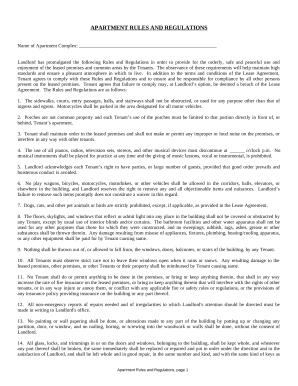
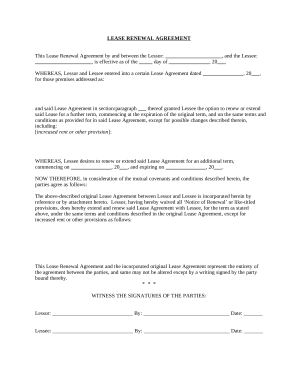
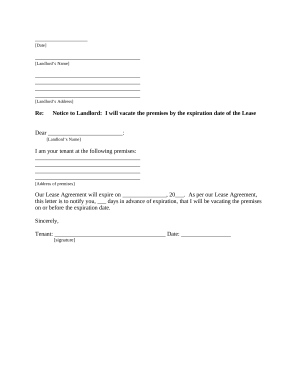
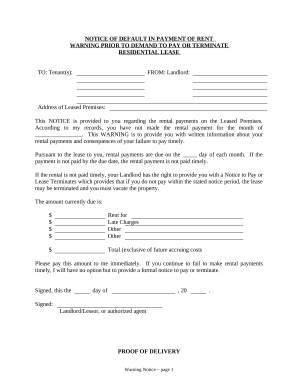
Document management can stress you when you can’t find all of the forms you require. Luckily, with DocHub's extensive form categories, you can find everything you need and swiftly manage it without the need of changing among software. Get our Residential Leasing and begin utilizing them.

How to use our Residential Leasing using these easy steps:

  1. Browse Residential Leasing and select the form you require.
  2. Review the template and then click Get Form.
  3. Wait for it to upload in the online editor.
  4. Edit your form: add new information and pictures, and fillable fields or blackout some parts if needed.
  5. Prepare your form, conserve adjustments, and prepare it for delivering.
  6. When ready, download your form or share it with your contributors.

Try out DocHub and browse our Residential Leasing category without trouble. Get your free profile today!


Commonly Asked Questions about Residential Leasing

Net leases A triple net lease, sometimes known as an NNN lease, is the most common type of commercial lease. A triple net lease is a lease whose monthly rent fee does not include operating expenses. Typical operating expenses include insurance, utilities, property taxes and maintenance costs.
A fixed-term lease is the most traditional lease. Theyre called fixed term because tenants and landlords are agreeing to abide by the lease for a fixed amount of time, normally six to 14 months.
Gross Lease Gross leases are most common for commercial properties such as offices and retail space. The tenant pays a single, flat amount that includes rent, taxes, utilities, and insurance.
Buying Vs. Leasing A Home: What Is The Difference? Leasing a property involves lower upfront costs and a more flexible commitment than owning. As a tenant, you typically pay a security deposit and monthly rent without needing a substantial down payment.
Gross leases are commonly used for commercial properties, such as office buildings and retail spaces. Modified leases and fully service leases are the two types of gross leases. Gross leases are different from net leases, which require the tenant to pay one or more of the costs associated with the property.
Explanation: A gross lease is a type of lease agreement where the landlord pays all the property expenses, including the property taxes, insurance, maintenance, and repairs. This type of lease is most often used with residential property (Option A).
While leasing and renting share many similarities, there are some subtle distinctions between the two. The main difference is the length of tenancy. A rental agreement is usually short term or month-to-month, while a lease is typically for a longer period of time, usually six months or more.