

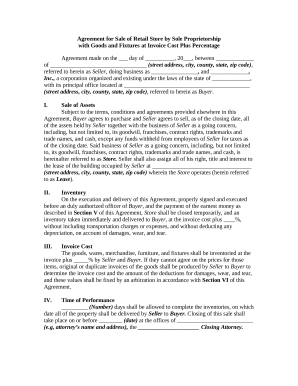
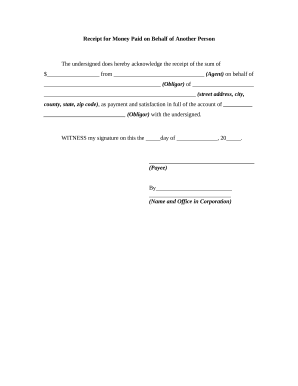
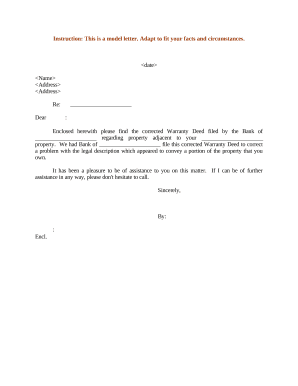
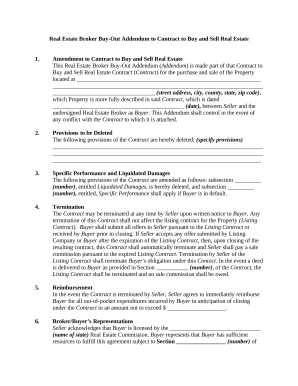
Transform your document administration with Real Estate Transactions

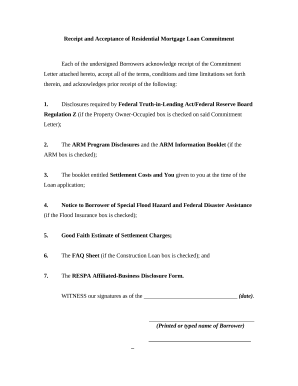
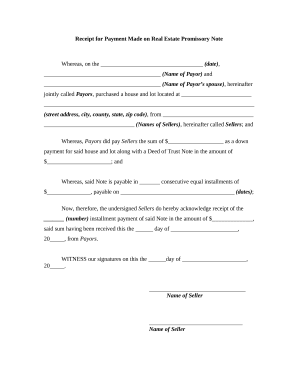
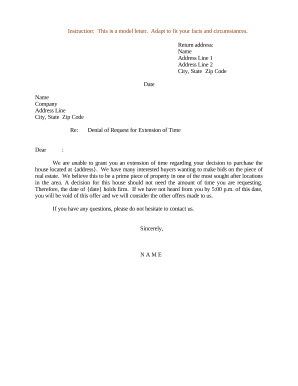
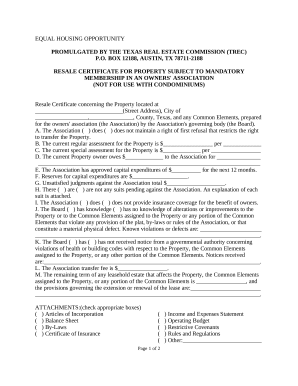
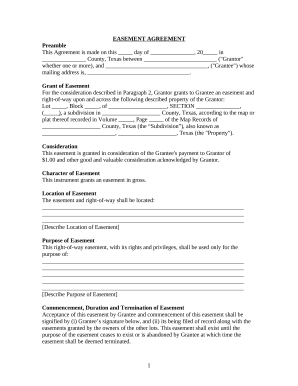
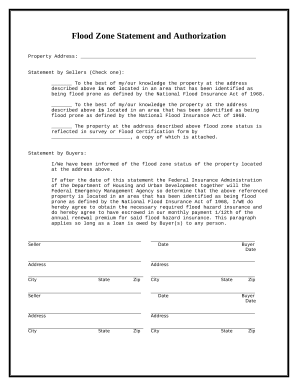
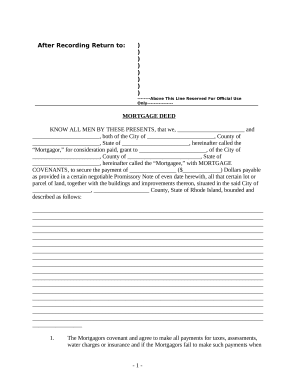
Your workflows always benefit when you are able to discover all the forms and files you require on hand. DocHub offers a vast array of templates to ease your daily pains. Get hold of Real Estate Transactions category and easily discover your document.

Begin working with Real Estate Transactions in a few clicks:

  1. Browse Real Estate Transactions and get the form you need.
  2. Click on Get Form to open it in our online editor.
  3. Begin changing your file: add more fillable fields, highlight paragraphs, or blackout sensitive information.
  4. The application saves your changes automatically, and once you are all set, you can download or share your file with other contributors.

Enjoy fast and easy form managing with DocHub. Discover our Real Estate Transactions collection and find your form right now!


Video Guide on Real Estate Transactions management

video background

Commonly Asked Questions about Real Estate Transactions

To be completed, the real estate transaction must generally include the following parts: Pre-contract period: This includes all negotiations prior to signing a contract. Due diligence period: This is the time for inspections. Financing period: Final financial arrangements are made.
The real estate cycle consists of four distinct phases: recovery, expansion, hyper supply, and recession.
10 Steps to a Friction-Free Real Estate Transaction Process Step 1: List a Home. Make an Offer. Step 2: Collect Signatures. Step 3: Open Escrow Pay Earnest Deposit. Step 4: Get the Home Inspected. Step 5: Perform the Title Search. Step 6: Secure Insurance and Loan. Step 7: Get the Home Appraised. Step 8: docHub Documents.
Looking Up Real Estate Transactions Via the Title Company If you cant gain access to the title companys database, you can simply contact the title company and ask for records on a particular property. The customer service department should be able to provide you with deed and mortgage information.
The Transaction Timeline helps track milestones occurring after an accepted offer through the close of escrow. Glide pulls key dates from the Residential Purchase Agreement (C.A.R. form RPA) into a customizable timeline.
Heres a tip: Keep a checklist for each stage to ensure youre on track. Stage 1: Property Search and Offer. Stage 2: Due Diligence and Inspections. Stage 3: Securing Financing. Stage 4: Closing the Deal.
A real estate transaction is the process whereby rights in a unit of property (or designated real estate) are transferred between two or more parties, e.g. in the case of conveyance one party being the seller(s) and the other being the buyer(s).
The lifecycle of a commercial real estate transaction includes three distinct stages: acquisition, operation, and disposition. These phases together make up the asset ownership lifecycle.
