Get and handle Real Estate Disclaimers online

Improve your form administration with the Real Estate Disclaimers library with ready-made document templates that suit your needs. Access your form template, modify it, complete it, and share it with your contributors without breaking a sweat. Start working more effectively with the forms.

The best way to use our Real Estate Disclaimers:

  1. Open our Real Estate Disclaimers and search for the form you require.
  2. Preview your form to ensure it’s what you want, and click Get Form to start working on it.
  3. Edit, add new text, or point out important information with DocHub features.
  4. Complete your form and preserve the modifications.
  5. Download or share your form with other people.

Examine all the possibilities for your online file management with the Real Estate Disclaimers. Get your totally free DocHub account right now!


Video Guide on Real Estate Disclaimers management

video background

Commonly Asked Questions about Real Estate Disclaimers

A well-crafted disclaimer is vital for protecting your company from legal claims. It informs users of their responsibilities and limits their liability. Key areas to address include content accuracy, physical liability, content ownership, and third-party responsibility. Avoid copying disclaimers from other websites.
3 tips for writing your disclaimers Be simple and concise: you want your users to understand what youre saying, so dont write an excessively long paragraph and avoid using terms difficult to understand. Address the main liabilities: when can you be held liable?
As-Is Sale Disclaimer Example: Property is sold as-is without any guarantee or warranty by the seller. All inspections are the responsibility of the purchaser.
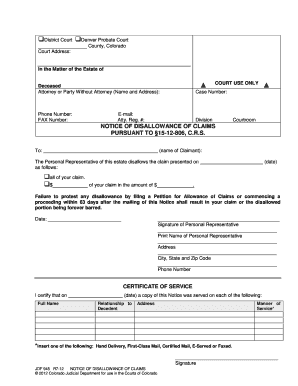
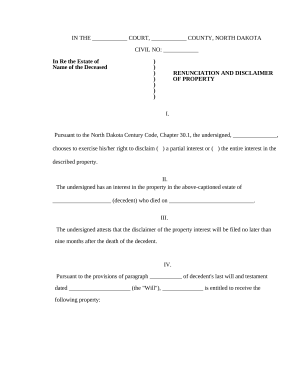
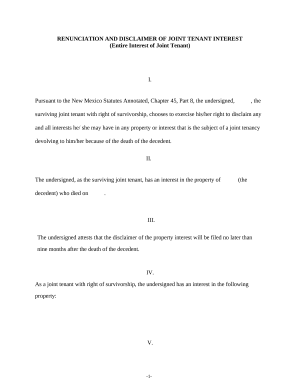
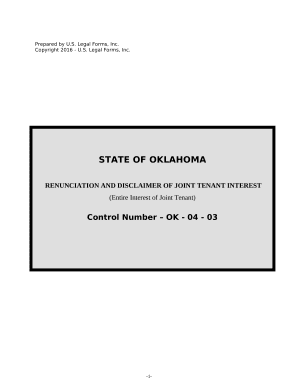
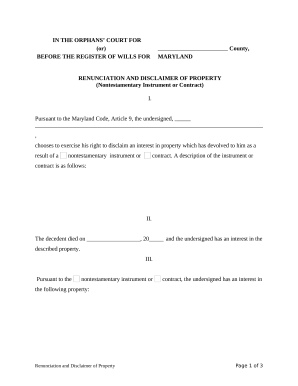
A disclaimer of interest is, essentially, a written statement to the probate court where someone who stands to inherit property or assets states that they do not wish to exercise that inheritance.
Use at Your Own Risk: Used often with businesses that sell products that may be considered dangerous or risky to use. For example, a company selling chainsaws can disclaim that youre using their chainsaws at your own risk and if injury arises during the use, it isnt the companys fault.
Your Disclaimers can be legally binding as long as they are not unfair and users can review them. There are two ways to assure this. One is to make your Disclaimers part of the TC .
For a disclaimer to be legally binding, the recipient must explicitly agree to its terms. Mere inclusion of a disclaimer at the end of an email is insufficient to establish consent. In the end, an email disclaimer cannot obligate the recipient of the email to do or not do something that the sender intends.
A disclaimer should include information about liability issues specific to the content of your website. A disclaimer should warn users of any potential risks of using your site, and state that you are not responsible should those risks occur. The content in a disclaimer will vary depending on your sites activities.