Get and manage Estate Planning in Pennsylvania online

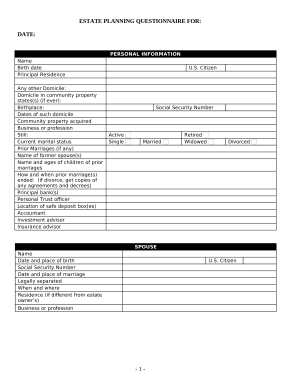
Boost your document administration with the Estate Planning in Pennsylvania category with ready-made form templates that meet your requirements. Access the document template, edit it, fill it, and share it with your contributors without breaking a sweat. Begin working more effectively with your documents.

The best way to manage our Estate Planning in Pennsylvania:

  1. Open our Estate Planning in Pennsylvania and look for the form you require.
  2. Preview your form to ensure it’s what you want, and click on Get Form to start working on it.
  3. Change, add new text, or point out important information with DocHub tools.
  4. Complete your form and preserve the modifications.
  5. Download or share your form template with other people.

Examine all of the possibilities for your online file management with the Estate Planning in Pennsylvania. Get a free free DocHub profile right now!


Video Guide on Estate Planning in Pennsylvania management

video background

Commonly Asked Questions about Estate Planning in Pennsylvania

Simple estates might be settled within six months. Complex estates, those with a lot of assets or assets that are complex or hard to value can take several years to settle. If an estate tax return is required, the estate might not be closed until the IRS indicates its acceptance of the estate tax return.
Overall, settling an estate in PA can take anywhere from several months to a year or more, depending on the complexity of the estate. Hiring a lawyer can streamline this process and ensure legal requirements are met.
Non-Probate Assets Joint bank accounts. Joint brokerage accounts. Real estate held in joint tenancy. Vehicles held in joint ownership.
In Pennsylvania, there is no set time limit on when you can initiate probate after someone dies, but it is best to get the process started as soon as you can. Waiting can make things more complicated and lead to issues with the estate dragging on for years.
In Pennsylvania, it is only necessary to probate if the decedent owned assets, whether financial or real estate holdings, solely in their name which did not already have a beneficiary designated. Such assets are called probate assets, and in order to convey ownership of them it is necessary to probate.
By naming beneficiaries, these accounts can transfer directly to them upon your passing, bypassing probate. In Pennsylvania, an estate needs to go through probate if its worth more than $50,000.
Settling an uncontested estate takes anywhere from 9 months to 18 months. However, property can often be transferred before the probate process is fully complete.
Probate usually takes more than a year When full probate court oversight is necessary because the estate is sizable, contains real property or is the subject of a dispute, people can expect probate proceedings to take roughly 18 months, if not longer.