
Nonlegal Business Forms

Improve your production with Nonlegal Business Forms
Record administration occupies to half of your business hours. With DocHub, it is easy to reclaim your time and effort and increase your team's efficiency. Access Nonlegal Business Forms collection and discover all document templates related to your daily workflows.
Easily use Nonlegal Business Forms:
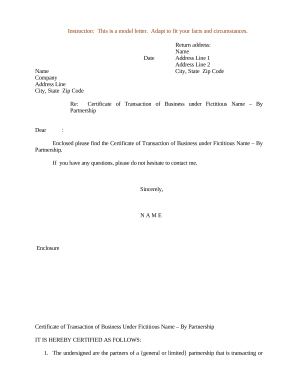
- Open Nonlegal Business Forms and utilize Preview to get the relevant form.
- Click Get Form to start working on it.
- Wait for your form to open in the online editor and start modifying it.
- Add new fillable fields, symbols, and images, modify pages, etc.
- Fill your document or set it for other contributors.
- Download or share the form by link, email attachment, or invite.
Accelerate your daily document administration with our Nonlegal Business Forms. Get your free DocHub profile right now to discover all forms.
Video Guide on Nonlegal Business Forms management

Commonly Asked Questions about Nonlegal Business Forms
What is an example of a business form?
A business form is a type of document used for record-keeping and other business purposes. It is usually a blank form that needs to be filled out with information before it can convey any meaning or value. For example, a job application form is a type of business form.
What are the 5 forms of business organization?
Depending on the business strategy or organizational structure, businesses generally fall into the following primary types: Sole proprietorship. Partnership. Corporation. Limited liability companies. Cooperatives.
What are the four legal forms of business organization?
The most common forms of business are the sole proprietorship, partnership, corporation, and S corporation. A limited liability company (LLC) is a business structure allowed by state statute. Legal and tax considerations enter into selecting a business structure.
What are the three legal forms of business ownership blank?
In addition to the three commonly adopted forms of business organizationsole proprietorship, partnership, and regular corporationssome business owners select other forms of organization to meet their particular needs.
What are the three types of business forms?
There are three common types of businessessole proprietorship, partnership, and corporationand each comes with its own set of advantages and disadvantages.
What are the forms of business?
The five forms of business organizations include the following: Partnership. Corporation. Sole proprietorship. Cooperative. Limited liability company.
What are the five most common forms of business ownership?
The most common forms of business ownership are sole proprietorship, partnership, limited liability partnership, limited liability company (LLC), series LLC, and corporations, which can be taxed as C corporations or S corporations.
What are five business forms?
There are five basic forms of business entities: Sole Proprietorship. Partnership. Corporation. S Corporation. Limited Liability CompanyLLC.


