
Legal Motions
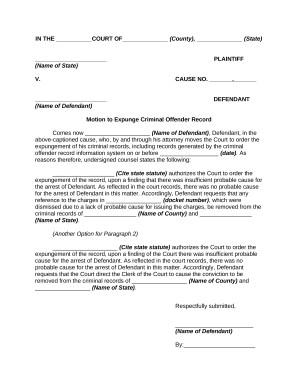
Expunge charges
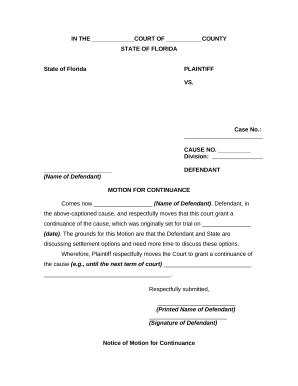
Florida motion continue
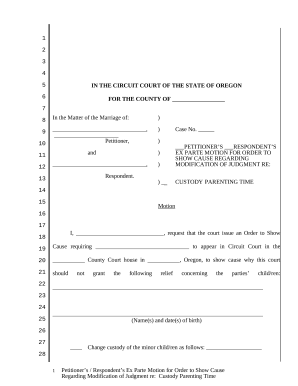
Ex parte motion

Wa child support
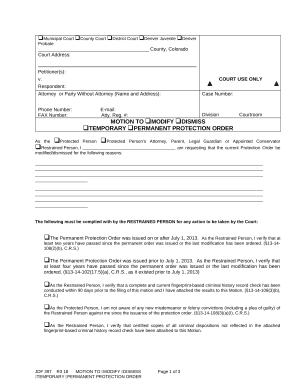
Motion dismiss order
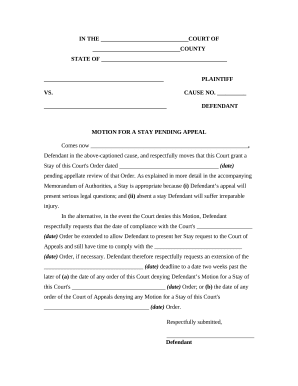
Motion stay sample
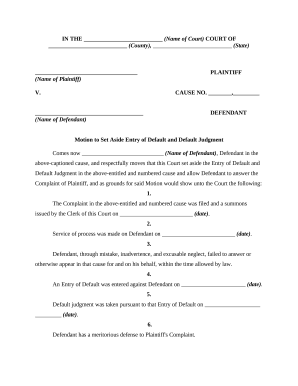
Motion set aside
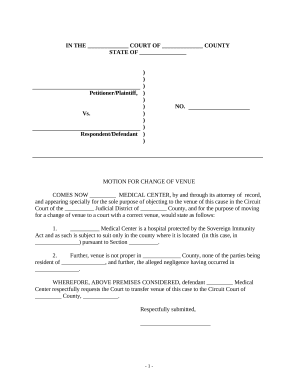
Change of venue email

Motion to Dismiss Foreclosure Action and Notice of Motion
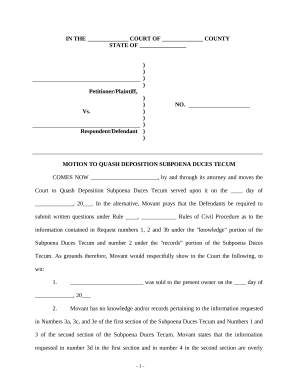
Motion quash
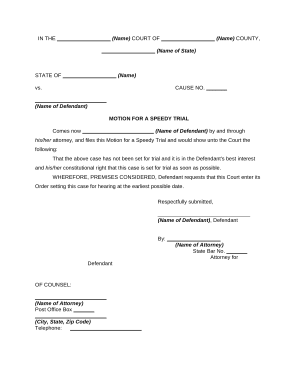
Speedy trial
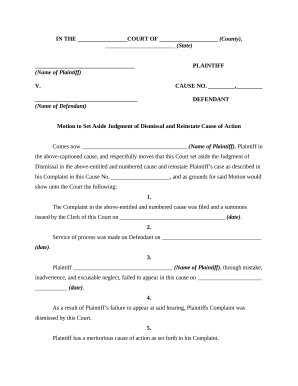
Motion to Vacate or Set Aside Judgment of Dismissal Due to Mistake, Inadvertence, or Excusable Neglect and to Reinstate Cause of Action
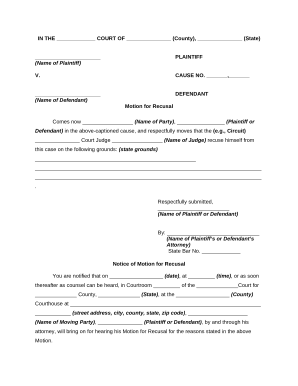
Motion judge
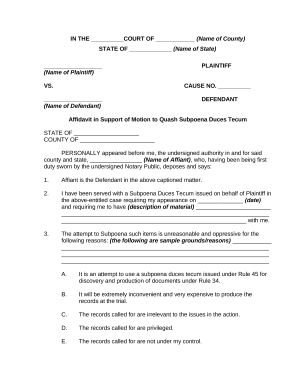
Motion quash subpoena sample
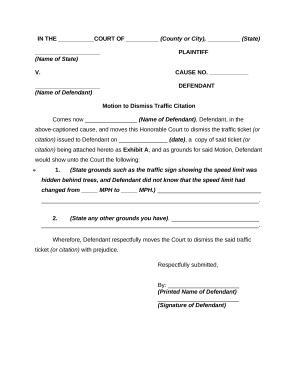
Motion dismiss
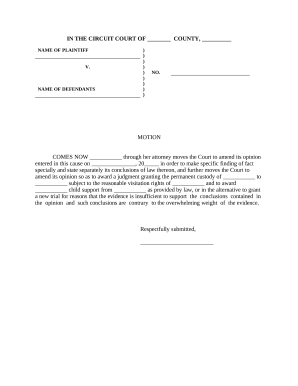
Findings fact
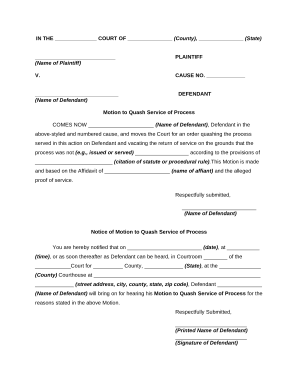
Motion to quash

Motion dismiss court

Motion modify custody

Of motion hearing
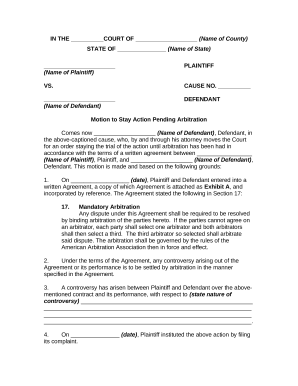
Usdc western district of wisconsin motion to stay proceedings pending arbitration
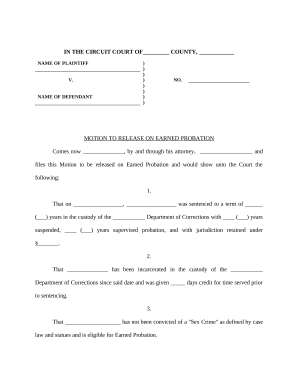
Release probation
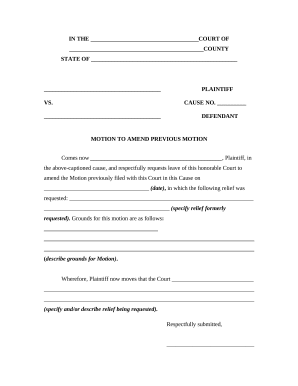
Motion to amend form
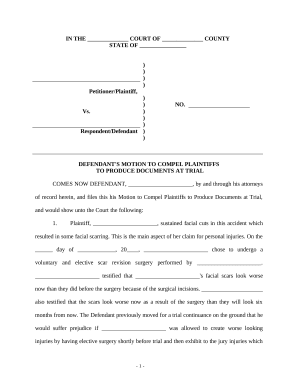
Motion compel produce
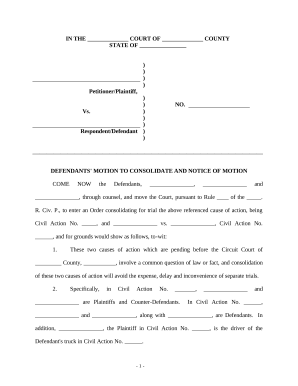
Motion to consolidate form

Pendente lite
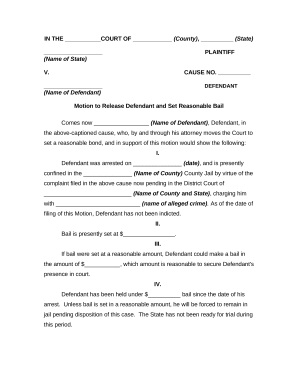
Release bail

Motion paternity
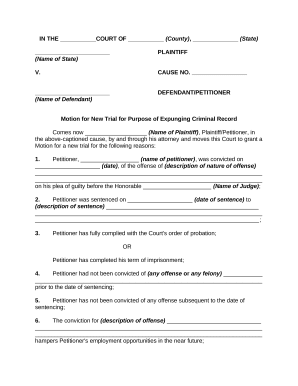
Motion criminal sample
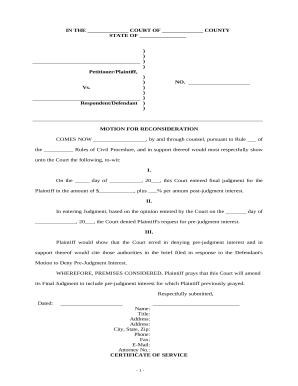
Motion reconsideration
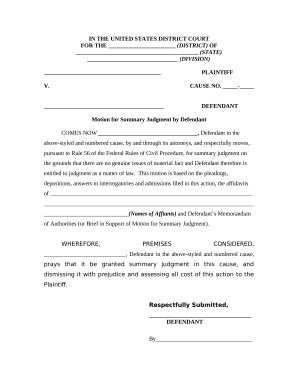
Motion for summary judgment
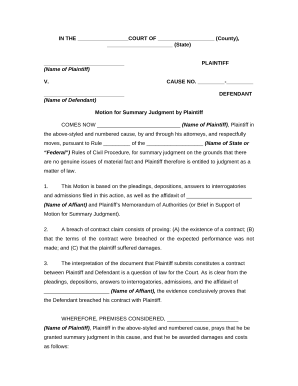
Motion summary
Generic motion form
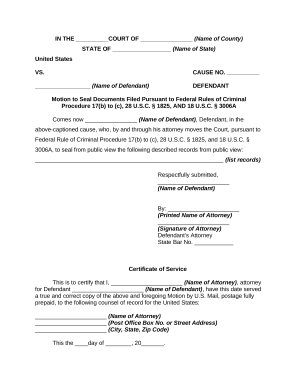
Motion to seal example
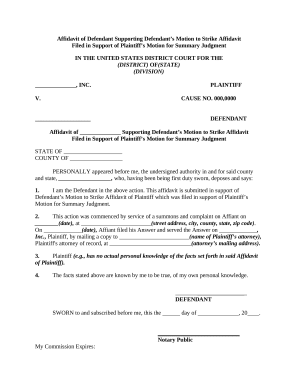
Motion judgment form
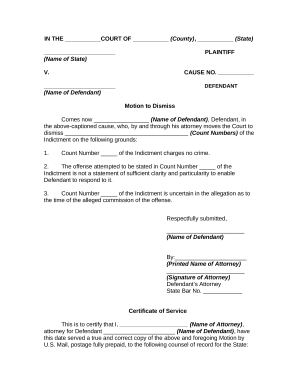
Indictment
-
1
- 2
Enhance your document operations with Legal Motions
Your workflows always benefit when you can get all the forms and files you need on hand. DocHub delivers a wide array of templates to relieve your everyday pains. Get a hold of Legal Motions category and quickly browse for your form.
Start working with Legal Motions in a few clicks:
- Browse Legal Motions and find the form you need.
- Click Get Form to open it in our online editor.
- Begin editing your form: add more fillable fields, highlight paragraphs, or blackout sensitive details.
- The application saves your changes automatically, and once you are all set, you can download or distribute your form with other contributors.
Enjoy easy file management with DocHub. Explore our Legal Motions collection and get your form today!
Video Guide on Legal Motions management

Commonly Asked Questions about Legal Motions
How long does a judge have to answer a motion in NY?
Decisions. If the motion or OSC cant be settled, the Judge will make a decision. Sometimes, the Judge makes a decision right away. If not, the Judge has 60 days by law to decide the motion.
What are the requirements for a motion for summary judgment in NY?
As per CPLR 3212(b), a motion for summary judgment must be supported by an affidavit. This affidavit should be from someone with knowledge of the facts, recite all material facts, and demonstrate the absence of a defense or the lack of merit in a cause of action or defense.
What is a motion in legal terms?
A motion is a formal request made by any party for a desired ruling, order, or judgment. The party that makes the motion is known as the movant. A motion can be written or spoken, as the relevant rules require. Various motions can be made throughout a proceeding, but only after the initial complaint has been filed.
How many days notice for a motion in NY?
A notice of motion and supporting affidavits shall be served at least eight days before the time at which the motion is noticed to be heard.
How do you write a legal motion?
General format - each motion generally consists of a case caption, a title that briefly identifies the relief sought, a series of numbered paragraphs that explains -- in a logical way -- why you are entitled to that relief, a prayer for relief, a signature block, a certification that a copy of the motion was sent to
What is a motion in NYS court?
A motion is a request for relief from the court. Some typical examples include a motion for permission to file a late claim, a motion that a claim or a defense be dismissed, or a motion requiring the opposing party to disclose information relevant to the claim.
How long does a judge have to rule on a motion in NY?
The decision of the court shall be rendered within sixty days after the cause or matter is finally submitted or within sixty days after a motion under rule 4403, whichever is later, unless the parties agree to extend the time.
Why do attorneys file motions?
A motion is an application to the court made by the prosecutor or defense attorney, requesting that the court make a decision on a certain issue before the trial begins. The motion can affect the trial, courtroom, defendants, evidence, or testimony. Only judges decide the outcome of motions.