01. Edit your motion for continuance florida sample online
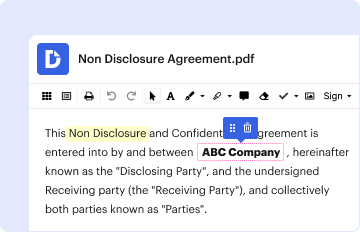
Type text, add images, blackout confidential details, add comments, highlights and more.

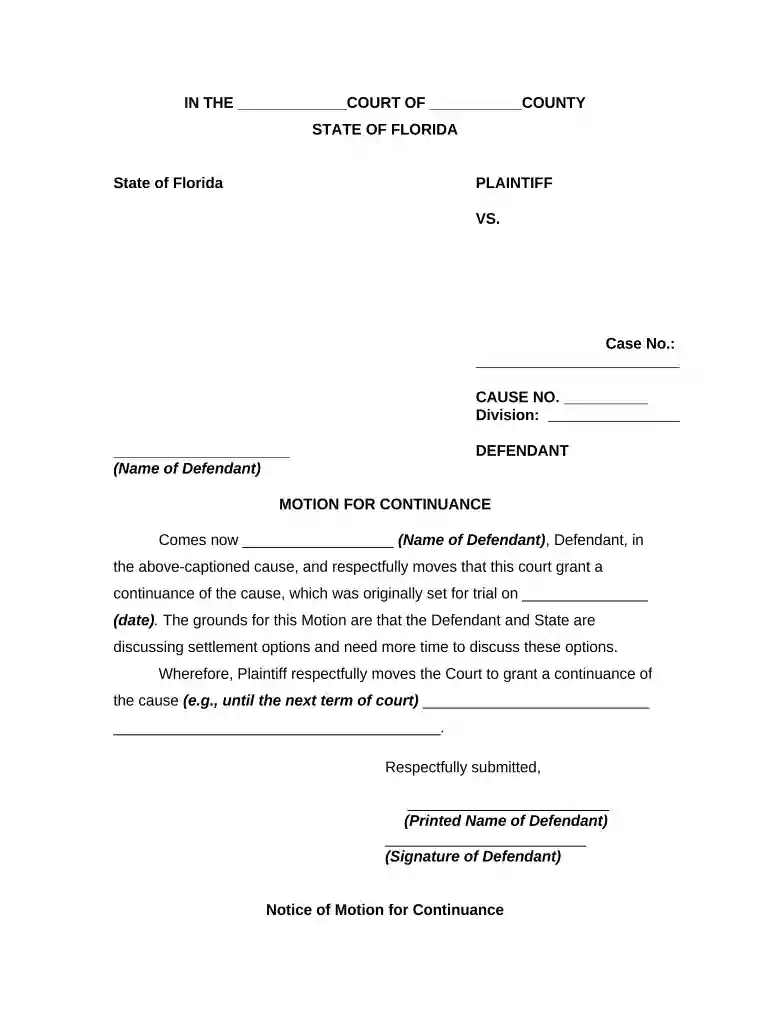
Type text, add images, blackout confidential details, add comments, highlights and more.
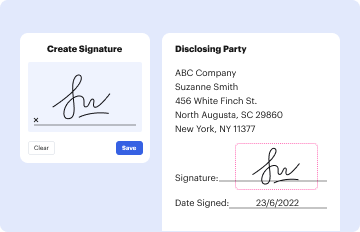
Draw your signature, type it, upload its image, or use your mobile device as a signature pad.
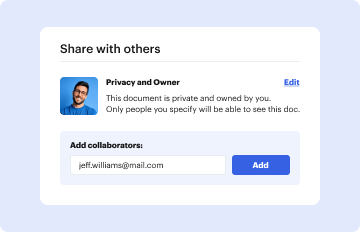
Send motion for continuance florida via email, link, or fax. You can also download it, export it or print it out.
A Florida motion for continuance is a formal request to delay court proceedings, often submitted by defendants or plaintiffs who require additional time to prepare their case or discuss potential resolutions. This motion can be particularly critical in various legal contexts, such as civil, criminal, and family law, ensuring that parties have adequate opportunity to present their arguments effectively.
A well-structured motion includes several essential components:
Understanding various formats can improve the clarity and effectiveness of the motion. There are a few standard templates available:
Filing a motion involves several precise steps:
When requesting a motion for continuance, certain legal principles and protocols should be adhered to:
Real-world scenarios demonstrate how a motion for continuance operates within the Florida legal framework:
Failure to comply with the necessary procedures or submit timely motions can result in various penalties, such as:
A motion for continuance in Florida is governed by the Florida Rules of Civil Procedure, which outline the necessary legal standards and procedures to follow. Familiarizing oneself with these rules can prevent common pitfalls and enhance the effectiveness of the motion.
A Florida motion for continuance is an essential legal instrument that can significantly impact the outcome of court proceedings. Understanding the intricacies of its preparation, filing, and potential impacts is crucial for effective legal practice and advocacy.
We've got more versions of the motion for continuance florida sample form. Select the right motion for continuance florida sample version from the list and start editing it straight away!
| Versions | Form popularity | Fillable & printable |
|---|---|---|
| 2020 | 4.8 Satisfied (42 Votes) |
At DocHub, your data security is our priority. We follow HIPAA, SOC2, GDPR, and other standards, so you can work on your documents with confidence.