

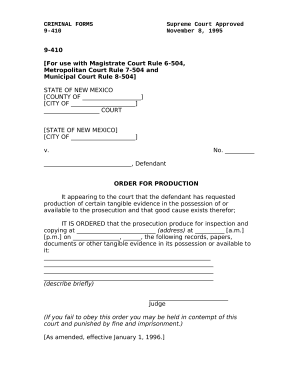
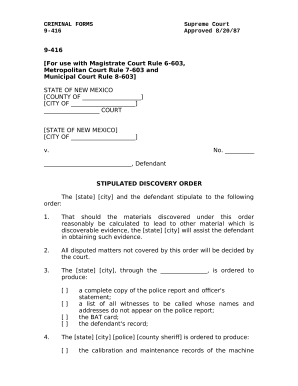
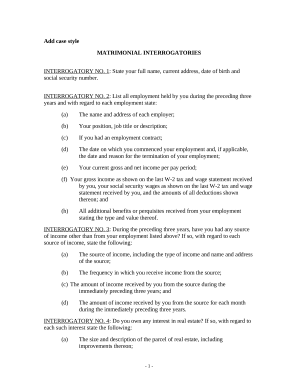
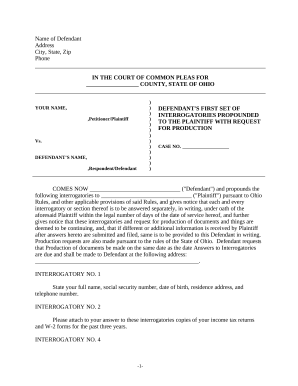
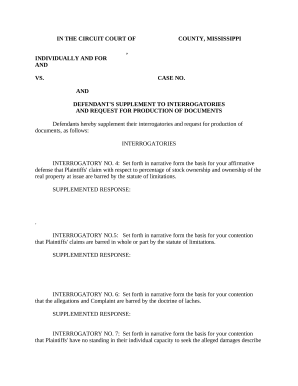
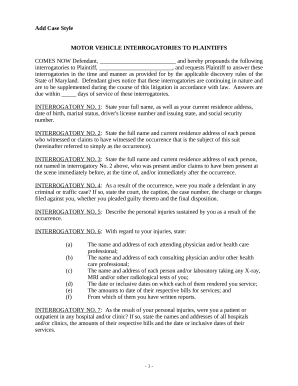
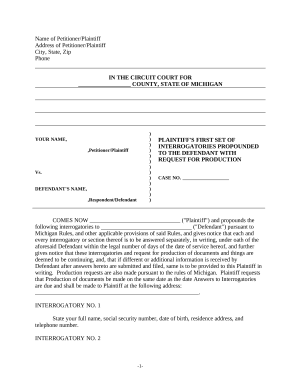
Get and handle Legal Discovery Forms online

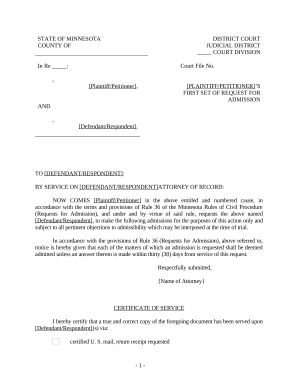
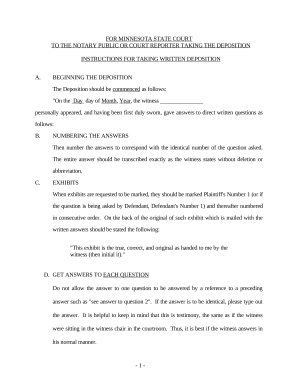
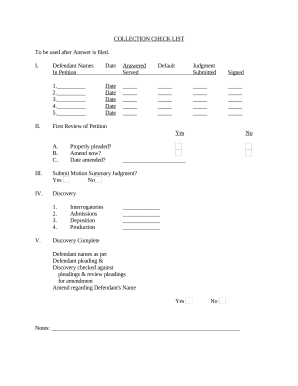
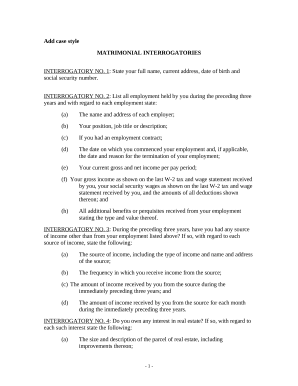
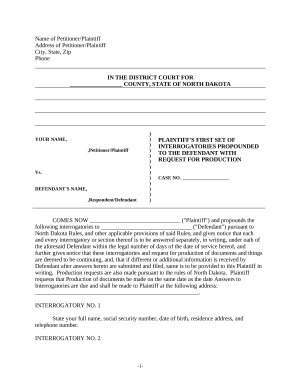
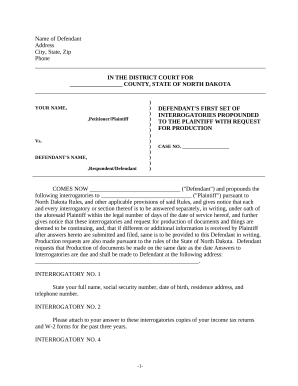
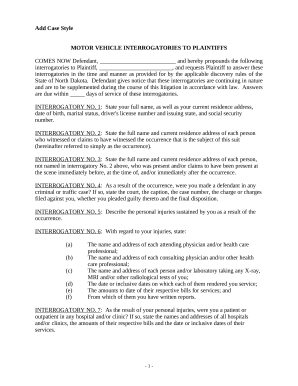
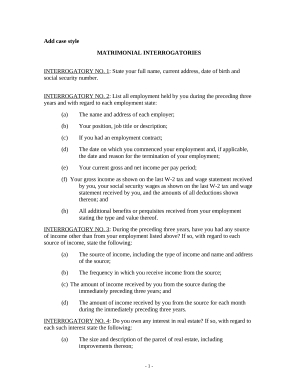
Accelerate your form managing with our Legal Discovery Forms collection with ready-made form templates that suit your needs. Access the document template, edit it, complete it, and share it with your contributors without breaking a sweat. Begin working more efficiently with your forms.

The best way to manage our Legal Discovery Forms:

  1. Open our Legal Discovery Forms and search for the form you want.
  2. Preview your form to ensure it’s what you want, and click on Get Form to start working on it.
  3. Edit, include new text, or point out important information with DocHub features.
  4. Complete your form and preserve the modifications.
  5. Download or share your form template with other recipients.

Discover all the opportunities for your online file management using our Legal Discovery Forms. Get a totally free DocHub profile today!


Commonly Asked Questions about Legal Discovery Forms

Discovery is the formal process by which the parties to a case in court exchange information about the case. This includes information about the witnesses and evidence to be presented at trial. Its purpose is to make the parties aware of the evidence which may be presented at trial.
Depositions are probably the most powerful discovery tool. Depositions, however, can be extremely expensive and are not always necessary or appropriate.
Disclosure is accomplished through a methodical process called discovery. Discovery takes three basic forms: written discovery, document production, and depositions.
The first phase of the discovery process is the written discovery phase. During this phase, your attorney may send and receive requests to produce documents, requests for admissions of facts, and written interrogatories.
Discovery means you send the other side questions and requests for information or items (like documents) in writing. The other side must respond to your question or request in writing.
Steps in a Trial It s designed to prevent trial by ambush, where one side doesn t learn of the other side s evidence or witnesses until the trial, when there s no time to obtain answering evidence. One of the most common methods of discovery is to take depositions. How Courts Work: Discovery - American Bar Association americanbar.org groups resources disc americanbar.org groups resources disc
Discovery is how you gather the evidence you will need to prove your case as plaintiff, or defeat the plaintiffs case as a defendant. You use discovery to find out things like: What the other side plans to say about an issue in your case. What facts or witnesses support their side.
Definition and Purpose of Discovery Discovery has been defined as the pre-trial devices that can be used by one party to obtain facts and information about the case from the other party in order to assist the partys preparation for trial. Law 101: Legal Guide for the Forensic Expert | Definition and Purpose of ojp.gov discovery definition-and-purpose- ojp.gov discovery definition-and-purpose-