Manage Lease Agreement Addendums easily online

Document managing can overpower you when you can’t discover all of the forms you require. Luckily, with DocHub's substantial form library, you can find all you need and easily deal with it without switching between software. Get our Lease Agreement Addendums and start utilizing them.

The best way to manage our Lease Agreement Addendums using these easy steps:

  1. Check Lease Agreement Addendums and choose the form you require.
  2. Review the template and then click Get Form.
  3. Wait for it to open in our online editor.
  4. Modify your form: include new information and images, and fillable fields or blackout certain parts if necessary.
  5. Fill out your form, preserve changes, and prepare it for sending.
  6. When you are ready, download your form or share it with your contributors.

Try out DocHub and browse our Lease Agreement Addendums category without trouble. Get your free profile right now!


Commonly Asked Questions about Lease Agreement Addendums

The addenda must comply with California landlord-tenant laws and be signed by both the landlord and tenant. CAA has 90 addenda available on its website, counting documents in various languages.
In general, things to include in a lease addendum might be: Your name. The rental property address. The tenants name. Relevant policy/information (that complies with your state/municipals rental laws) Consequences for breaking any contract agreements. Space to sign date for landlord. Space to sign date for tenant.
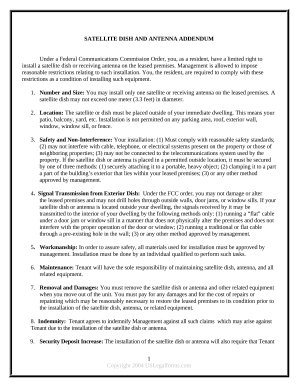
A lease addendum is a document that is added to an existing lease agreement to introduce additional terms, conditions, or provisions without altering the original lease terms.
To ensure your addendum is fit for purpose and binding, it must not go against the original terms or requirements of the contract itself. It should also comply with all laws and regulations in your jurisdiction. Its vital to check this before asking any parties to agree to the addendum.
An addendum is an addition to a finished document, such as a contract. The most common addendum is an attachment or exhibit at the end of such a document. For example, a contract to manufacture widgets may have an addendum listing the specifications for said widgets.
An addendum is used to clarify and add things that were not initially part of the original contract or agreement. Think of addendums as additions to the original agreement (for example, adding a deadline where none existed in the original version).
Any special terms and conditions in addition to the standard Tenancy Contract terms are attached to the agreement in the form of an addendum which clearly outlines all individually agreed obligations of both parties.