
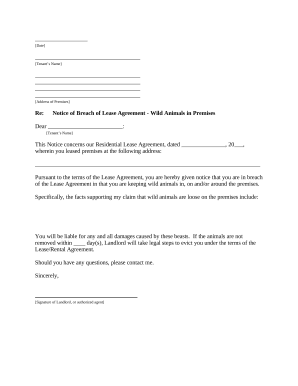
Handle Landlord-Tenant Relations effortlessly online

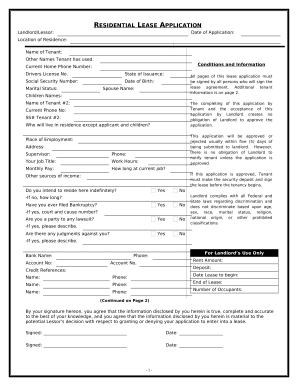
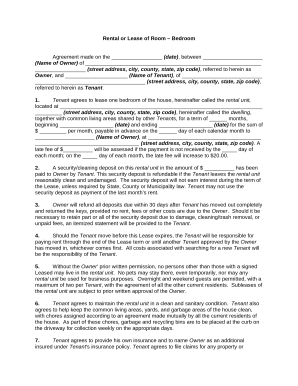
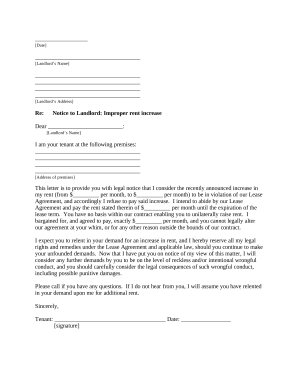
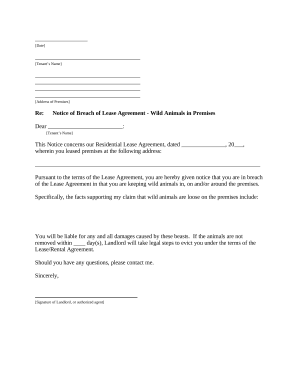
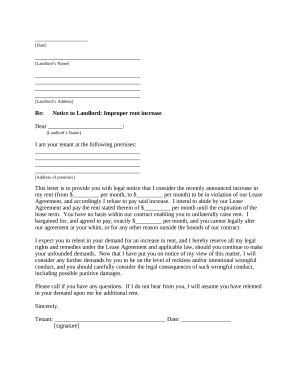
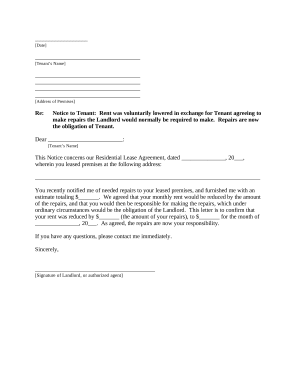
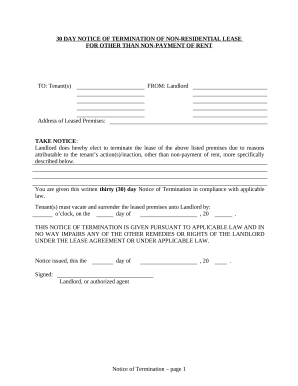
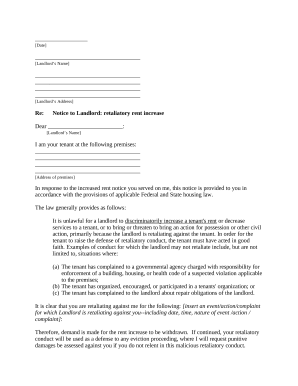
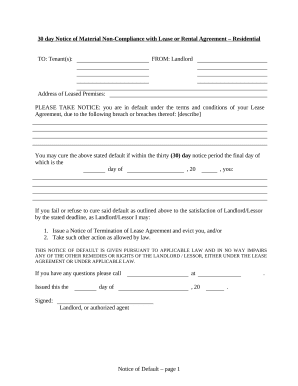
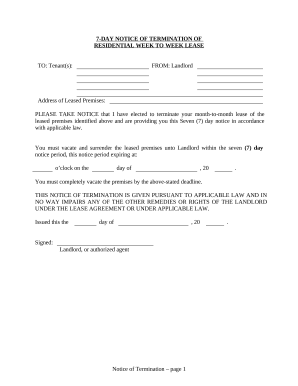
Document managing can overwhelm you when you can’t discover all of the documents you need. Luckily, with DocHub's substantial form categories, you can get all you need and swiftly deal with it without switching among programs. Get our Landlord-Tenant Relations and begin utilizing them.

Using our Landlord-Tenant Relations using these basic steps:

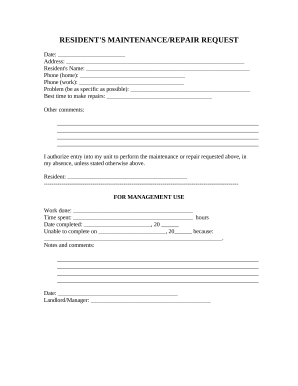
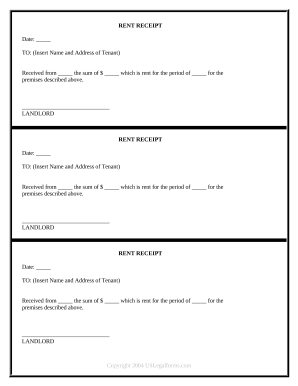
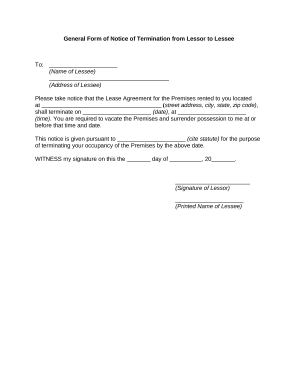
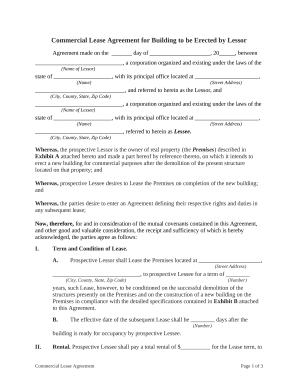
  1. Examine Landlord-Tenant Relations and select the form you need.
  2. Preview the template and then click Get Form.
  3. Wait for it to upload in our online editor.
  4. Alter your document: add new information and images, and fillable fields or blackout some parts if required.
  5. Prepare your document, preserve adjustments, and prepare it for sending.
  6. When ready, download your form or share it with your contributors.

Try out DocHub and browse our Landlord-Tenant Relations category without trouble. Get your free profile right now!


Commonly Asked Questions about Landlord-Tenant Relations

If you have been living in your home for over a year, your landlord must give at least 60 days notice. If you have been living in your home for more than 2 years, your landlord must give at least 90 days notice. rent as a security deposit. When you move out, they must return the security deposit within 14 days.
Addressing Tenant Needs and Concerns Taking proactive steps to address tenant needs and concerns demonstrates a commitment to their well-being. Promptly handling maintenance requests, providing necessary amenities, and being attentive to tenant feedback can docHubly enhance tenant satisfaction and loyalty.
In New York State, an eviction of a tenant is lawful only if an owner has brought a court proceeding and obtained a judgment of possession from the court. A sheriff, marshal or constable can carry out a court ordered eviction. An owner may not evict a tenant by use of force or unlawful means.
Tenants Rights and Responsibilities. In New York City, tenants have many rights relating to the safety and quality of their housing. Tenants should expect to live in safe, well-maintained buildings that are free from vermin, leaks, and hazardous conditions. Laws protect tenants from harassment and discrimination.
Tenants have the right to privacy in their rented homes and can refuse entry to landlords who do not provide proper notice or have an illegitimate reason for entry. If this right is violated, tenants can take legal action to prevent continued violations and potentially seek damages.
How much time after the rent demand do I have before the landlord/owner starts the case? A written rent demand must give you at least 14 days notice to pay the rent before a court case can be started.
Under the new Good Cause Eviction law, New Yorkers have the right to continue living in their homes without fear of unreasonable eviction or extreme rent increases. In many situations, tenants of market rate housing will now be covered by more expansive protections. Read below for details.
In New York 5 Page 9 City, 30 days notice is required, rather than one month. Landlords do not need to explain why the tenancy is being terminated, they only need to provide notice that it is, and that refusal to vacate will lead to eviction proceedings.