
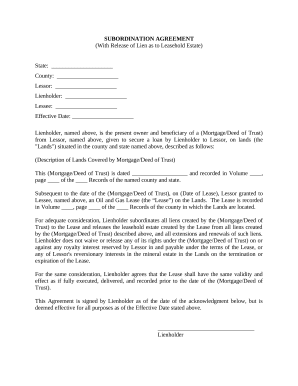
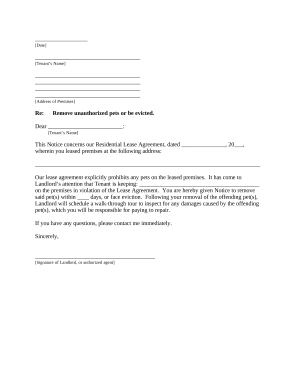
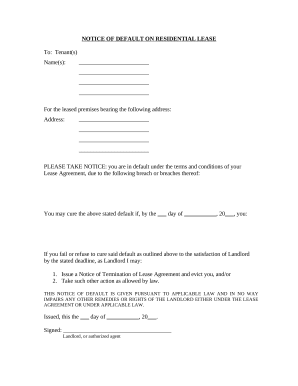
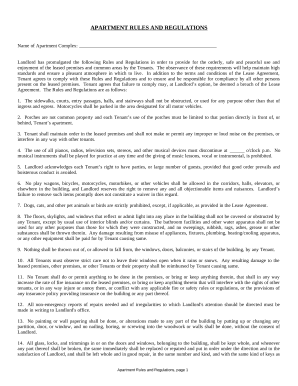
Get and manage Landlord Rights online

Improve your file operations with the Landlord Rights library with ready-made form templates that suit your needs. Get the document, change it, fill it, and share it with your contributors without breaking a sweat. Start working more efficiently with your documents.

The best way to use our Landlord Rights:

  1. Open our Landlord Rights and look for the form you want.
  2. Preview your document to ensure it’s what you want, and click on Get Form to start working on it.
  3. Modify, add new text, or highlight important information with DocHub tools.
  4. Complete your form and save the changes.
  5. Download or share your form template with other people.

Discover all the possibilities for your online document administration with the Landlord Rights. Get a free free DocHub profile today!


Commonly Asked Questions about Landlord Rights

Tenants have the right to privacy in their rented homes and can refuse entry to landlords who do not provide proper notice or have an illegitimate reason for entry. If this right is violated, tenants can take legal action to prevent continued violations and potentially seek damages. Things Landlords Cannot Do In New York - Steadily Steadily blog things-landlords-cann Steadily blog things-landlords-cann
Rent. An owner is entitled to receive the rent on time and is not required to send a bill for rent to the tenant. Most lease agreements provide that rent is payable in advance at the beginning of the month. LEGALease: Rights of Residential Owners and Tenants New York State Bar Association legalease-rights-of-residential-owner New York State Bar Association legalease-rights-of-residential-owner
If you have been living in your home for over a year, your landlord must give at least 60 days notice. If you have been living in your home for more than 2 years, your landlord must give at least 90 days notice. rent as a security deposit. When you move out, they must return the security deposit within 14 days.
If the tenant does not vacate after the expiration of the thirty days, the landlords counsel can proceed with a holdover eviction action in the appropriate local forum. At this point, the parties, through their attorneys, may attempt to negotiate a resolution to the situation.
They must also notify tenants in writing if they do not intend to renew a lease. Specifically: If a tenant has occupied the unit for less than one year, or does not have a lease term of at least one year, a 30-day notice is now mandatory.
Landlords may refuse to renew a lease only under certain enumerated circumstances, such as when the tenant is not using the premises as a primary residence.
My landlord refused to accept my payment, what do I do now? It is not legal for your landlord to refuse your rent payment, except under very rare circumstances. If you try to pay your rent and your landlord says you can only pay electronically, you can send a letter to explain your rights. FAQ on Online Rent Payments - Right to Counsel NYC Coalition Right to Counsel NYC Coalition faqononlinerent Right to Counsel NYC Coalition faqononlinerent
30 days the landlord of an intention not to renew the lease. (General Obligations Law 5-905). If you have lived in your apartment for less than one year, or have a lease for less than one year, your landlord must provide you with 30 days advanced notice before raising your rent or not renewing your lease. Residential Tenants Rights Guide New York State Attorney General (.gov) sites default files tenants New York State Attorney General (.gov) sites default files tenants PDF