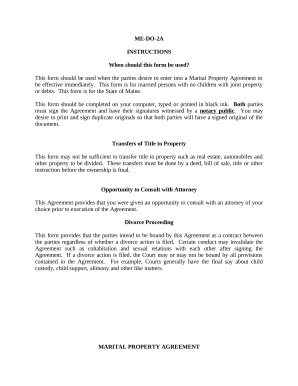
Handle Legal Separation Agreement Without Children easily online

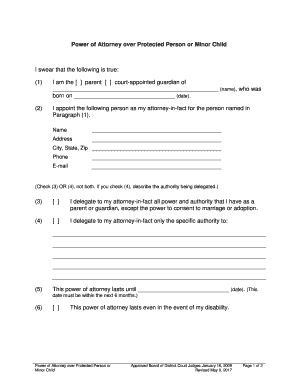
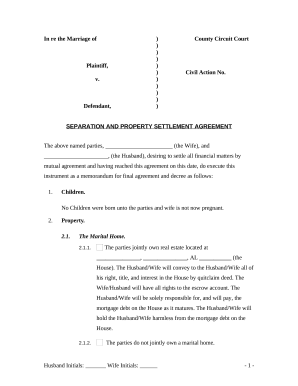
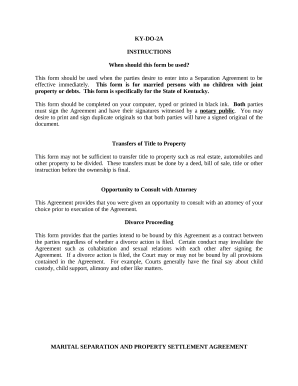
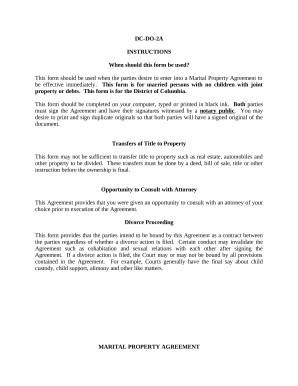
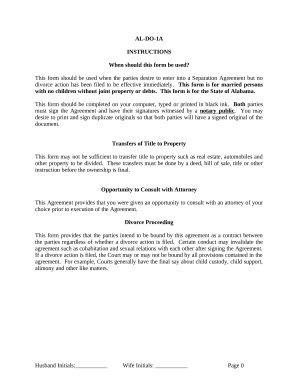
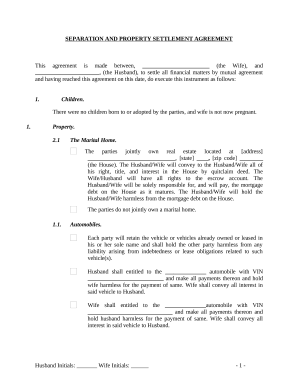
Document managing can overpower you when you can’t discover all of the documents you need. Luckily, with DocHub's considerable form library, you can discover all you need and promptly deal with it without the need of switching among programs. Get our Legal Separation Agreement Without Children and start working with them.

Using our Legal Separation Agreement Without Children using these basic steps:

  1. Check Legal Separation Agreement Without Children and choose the form you need.
  2. Review the template and then click Get Form.
  3. Wait for it to upload in our online editor.
  4. Modify your form: add new information and images, and fillable fields or blackout certain parts if necessary.
  5. Prepare your form, save changes, and prepare it for sending.
  6. When all set, download your form or share it with your contributors.

Try out DocHub and browse our Legal Separation Agreement Without Children category with ease. Get a free account right now!


Video Guide on Legal Separation Agreement Without Children management

video background

Commonly Asked Questions about Legal Separation Agreement Without Children

If you decide to separate but remain living together, its essential to set clear boundaries. People in this situation often find creative ways to redefine their shared home into distinct zones. For example, having certain areas for work or relaxation can help maintain peace and provide privacy.
Most people assume that to be legally separated you must live in separate houses. This is not the case, and there are a variety of legitimate reasons why couples who have decided to separate continue to live in the same residence. Sometimes it is only for a few days, other times it ends up being for years. Separation and Divorce - Can we still live together? - Paradigm Family Law Paradigm Family Law - separation-and-divorc Paradigm Family Law - separation-and-divorc
In 2017, a law went into effect in California that allows couples to live separate and apart while living under the same roof. Many couples choose to continue to live together because it is less expensive or because they are waiting to see what the custody agreement will be regarding their children. What You Should Know About Legal Separation in California William Strachan Family Law 2024/03 what- William Strachan Family Law 2024/03 what-
There are three types of separation: trial separation, permanent separation, and legal separation. While legal separation must be approved by a family court and may serve as an alternative to divorce, trial and permanent separation are more immediate measures taken before a divorce or potential divorce.
In a legal separation, you stay married but the court divides your property and debts and makes orders about financial support. If you have children together, you can also ask for orders about their care and support. You can ask the judge to make orders about: The division of your property.
If your ex-partner wants you to move out If youre married or in a civil partnership you both have home rights. This means you can stay in your home, even if you dont own it or youre not named on the tenancy. What happens to your home when you separate - Citizens Advice citizensadvice.org.uk family what-happe citizensadvice.org.uk family what-happe
Keep reading to find out why it might make more sense to legally separate from your spouse instead of divorcing them. #1: Keep Shared Benefits. #2: Personal or Religious Beliefs. #3: Social Security Requirements. #4: Reassess the Marriage. Skilled Family Law Representation. Four Reasons Spouses Choose Legal Separation Over Divorce McKinley Irvin family-law-blog march McKinley Irvin family-law-blog march
Non-financial reasons for long-term separation Couples with children may feel that separating is less confusing or easier for their offspring. And many couples just dont get around to divorcing, seeing no real benefit in doing so, particularly if they dont expect to remarry. Pros and cons of long-term separation - Family Legal Matters Family Legal Matters