
Illinois Landlord Tenant Notices

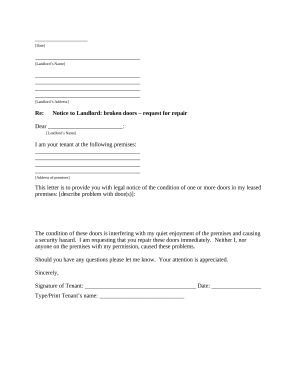


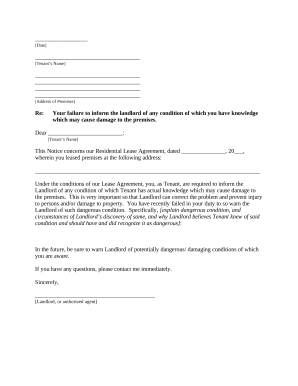
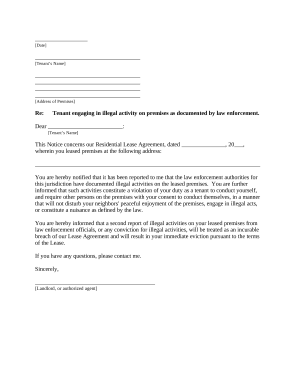
Raise your productiveness with Illinois Landlord Tenant Notices
Papers managing takes up to half of your business hours. With DocHub, you can reclaim your time and effort and improve your team's productivity. Get Illinois Landlord Tenant Notices collection and discover all form templates relevant to your daily workflows.
Easily use Illinois Landlord Tenant Notices:
- Open Illinois Landlord Tenant Notices and apply Preview to obtain the suitable form.
- Click on Get Form to start working on it.
- Wait for your form to open in the online editor and start editing it.
- Add new fillable fields, symbols, and images, change pages order, and many more.
- Fill out your file or set it for other contributors.
- Download or deliver the form by link, email attachment, or invite.
Speed up your daily document managing with our Illinois Landlord Tenant Notices. Get your free DocHub profile right now to discover all templates.
Video Guide on Illinois Landlord Tenant Notices management

Commonly Asked Questions about Illinois Landlord Tenant Notices
How much notice does a landlord have to give a tenant to move out in Illinois?
Your landlord must notify you in writing that he/she intends to terminate the lease. If you are renting month-to-month, you are entitled to a 30-day written notice. Leases running year-to-year require a 60-day written notice. YOUR LANDLORD DOES NOT HAVE TO GIVE YOU ANY REASON FOR TERMINATING THE LEASE.
Do landlords have to give notice before entering in Illinois?
Landlords in Illinois must provide reasonable notice before entering rental units, unless its an emergency. Usually 24-48 hours notice is considered reasonable for non-emergency entries. The purpose and time of entry should be stated.
How much notice does a tenant have to give if not renewing a lease in Illinois?
Notice Period At least 30 days notice is required for a month-to-month lease. If the tenancy is for a year-to-year lease and the tenant has been renting the premises for over a year, you will have to issue them a 60-day notice. Tenancies over three years require at least a 120- day notice of lease termination.
How much notice do Illinois landlords have to give tenants about rent increases?
However, statewide Illinois law does not limit rent increases beyond once per year for monthly tenants. Landlords must provide proper written notice before raising rent (generally 30 days). But as long as notice is given, they can raise the rent up to the maximum frequency allowed.
Are eviction notices public record in Illinois?
If you were evicted or an eviction case was filed against you, the eviction will be in public record. This may affect your ability to get new housing or credit.
How long can a tenant stay after the lease expires in Illinois?
Its important to note the Chicago Landlord Tenant Ordinance requires landlords to give tenants 30 days written notice if they do not intend to renew their lease. Failure to do so enables a tenant to stay in the property for 60 days after the lease ends under the same terms and conditions as the previous lease.
Can a landlord evict you without going to court in Illinois?
The landlord must give the tenant notice and go through the court process to get an Eviction Order. Then they must get the Sheriff to remove the tenant from the unit. The landlord cannot change the locks or remove the tenants property until the Sheriff enforces the Eviction Order.
How much notice does a landlord have to give in Illinois?
Under the ordinance, landlords must provide: 60 days of notice to terminate your lease if you have lived in your apartment for more than six months but less than three years. 120 days of notice to terminate your lease if you have lived in your apartment for more than 3 years.