Illinois tenant in 2026

Get Form
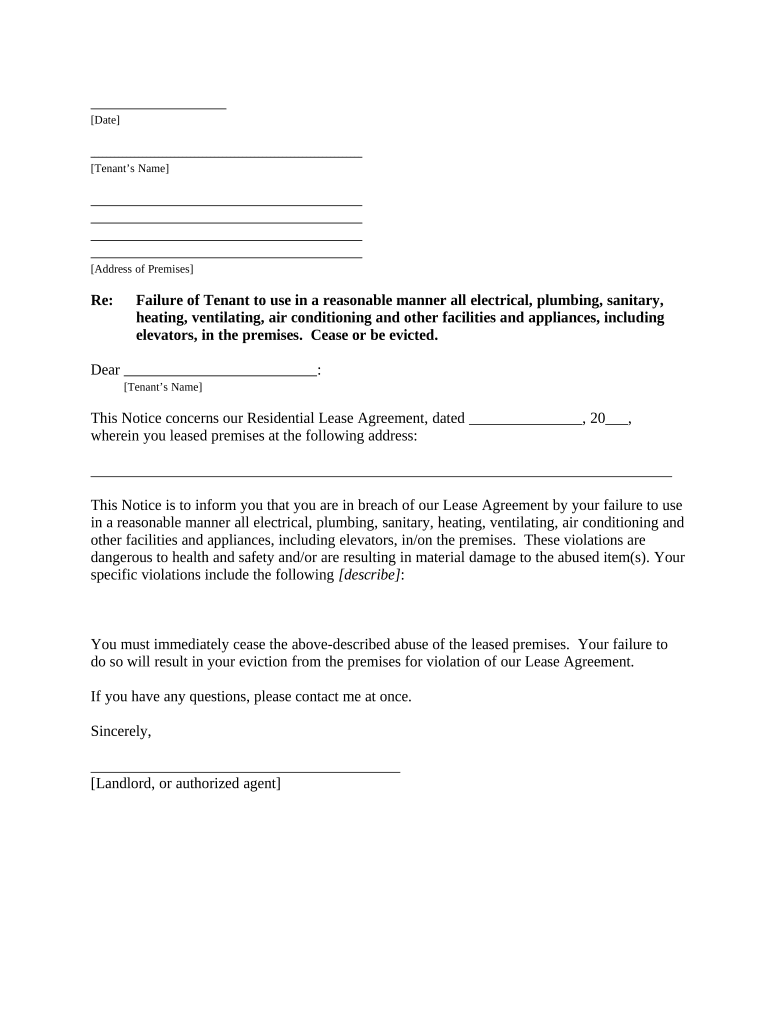
illinois tenant in Preview on Page 1

Here's how it works

01. Edit your form online
Type text, add images, blackout confidential details, add comments, highlights and more.
02. Sign it in a few clicks
Draw your signature, type it, upload its image, or use your mobile device as a signature pad.
03. Share your form with others
Send it via email, link, or fax. You can also download it, export it or print it out.

How to use or fill out Illinois Tenant In with Our Platform

Form edit decoration
9.5
Ease of Setup
DocHub User Ratings on G2
9.0
Ease of Use
DocHub User Ratings on G2
  1. Click ‘Get Form’ to open the Illinois Tenant In document in the editor.
  2. Begin by entering the date at the top of the form. This is crucial for record-keeping and legal purposes.
  3. Fill in the tenant’s name and address of the premises where the lease agreement is applicable. Ensure accuracy to avoid any confusion.
  4. In the section regarding breaches, clearly describe any specific violations related to electrical, plumbing, or other facilities as mentioned in your notice.
  5. Complete the landlord's name or authorized agent's signature line at the bottom of the form, along with the date of signing.
  6. Finally, select how you delivered this notice to the tenant by checking one of the options provided under 'Proof of Delivery'.

Start using our platform today for free to streamline your document editing and ensure a smooth process!

be ready to get more

Complete this form in 5 minutes or less

Get form

Got questions?

We have answers to the most popular questions from our customers. If you can't find an answer to your question, please contact us.
Contact us
This notice must be in writing and must arrive to the tenant at least 30 days before their move-out date. The written notice must also include a specific move-out date for when the tenant must be out of the property and their tenancy has ended.
Effective January 1, 2025, the law specifies that landlords cannot terminate a tenancy, refuse to renew a lease, increase rent, or take other adverse actions if a tenant has exercised certain rights.
In contrast to joint tenants, tenants in common own fractional interests in real estate. For example, John might own 25% of a property, Bob owns 25%, and Joe owns 50%. Despite their different interests, each still has the same right to use the property as the others.

Security and compliance

At DocHub, your data security is our priority. We follow HIPAA, SOC2, GDPR, and other standards, so you can work on your documents with confidence.

Learn more
ccpa2
pci-dss
gdpr-compliance
hipaa
soc-compliance