Handle Employment Policy Documents effortlessly online

Document managing can stress you when you can’t discover all the documents you need. Luckily, with DocHub's extensive form categories, you can discover all you need and quickly deal with it without the need of changing among programs. Get our Employment Policy Documents and start working with them.

Using our Employment Policy Documents using these easy steps:

  1. Browse Employment Policy Documents and choose the form you need.
  2. Review the template and click Get Form.
  3. Wait for it to upload in our online editor.
  4. Modify your document: add new information and pictures, and fillable fields or blackout certain parts if needed.
  5. Prepare your document, save modifications, and prepare it for sending.
  6. When all set, download your form or share it with your contributors.

Try out DocHub and browse our Employment Policy Documents category without trouble. Get a free profile right now!


Video Guide on Employment Policy Documents management

video background

Commonly Asked Questions about Employment Policy Documents

Employment Record W-2 from last year. A pay stub or payment statement that shows: An issue date within 12 months prior to the date your claim was filed. Your first name (or initial) and last name. At least the last four digits of your Social Security number or your employee identification number. Your employers name.
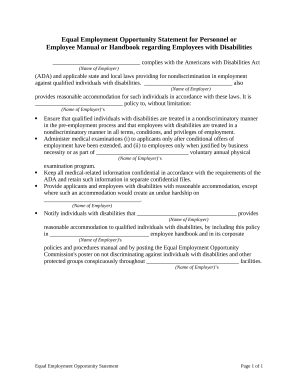
What to Include in an Employee Handbook Equal Employment Opportunity, Non-Discrimination, and Anti-Harassment Policies. Reasonable Accommodations. Internal Complaint Procedures. Code of Conduct. Disciplinary Procedures. Payment and Timekeeping Policies. Leave and Time Off Benefits.
The most common proof of employment is an employment verification letter from an employer that includes the employees dates of employment, job title, and salary. Its also often called a letter of employment, a job verification letter, or a proof of employment letter.
Workplace policies and procedures, including when it comes to hiring, attendance, payroll, breaks, paid time off, cybersecurity, privacy, and anti-discrimination. Employees rights under relevant employment laws, including regarding wages/salaries, employee benefits, and workplace safety.
Current U.S. Drivers License. Canadian Drivers License. Federal, State, or Local ID Card. School ID Card with Photograph. Voter Registration Card. U.S. Military Card or Draft Record. Military Dependents ID Card. U.S. Coast Guards Merchant Mariner Document (MMD)
How to Write Engaging Workplace Policies Explain the Purpose. Create trust between you and your employees by ensuring everyone understands the policys purpose. Avoid Jargon. Use Real-Life Examples. Define the Policys Scope. Define and Communicate Consequences of Infringements. Avoid Restrictions.
Employment verifications typically check three to seven years of employment history, but this can vary based on the duties of the position. State laws might restrict the types of information past employers can share during employment verification checks.