Handle Employee Misconduct Documentation quickly online

Document management can stress you when you can’t discover all the forms you need. Fortunately, with DocHub's considerable form library, you can discover everything you need and promptly handle it without changing among software. Get our Employee Misconduct Documentation and start working with them.

The best way to manage our Employee Misconduct Documentation using these simple steps:

  1. Examine Employee Misconduct Documentation and choose the form you need.
  2. Review the template and click Get Form.
  3. Wait for it to open in our online editor.
  4. Change your document: include new information and images, and fillable fields or blackout certain parts if required.
  5. Fill out your document, preserve changes, and prepare it for sending.
  6. When you are ready, download your form or share it with other contributors.

Try out DocHub and browse our Employee Misconduct Documentation category with ease. Get your free profile today!


Video Guide on Employee Misconduct Documentation management

video background

Commonly Asked Questions about Employee Misconduct Documentation

Gross misconduct can include things like theft, physical violence, gross negligence or serious insubordination. With gross misconduct, you can dismiss the employee immediately as long as you follow a fair procedure.
Give yourself enough time to prepare. You are entitled to ask to reschedule your disciplinary meeting. Bring backup with you. Your employer must allow you to bring a work colleague or a trade union rep with you to your disciplinary hearing. Outline your argument. Bring your own evidence. Exercise your right to appeal.
Here are some tips: Be honest. Show understanding of your mistakes. Explain the circumstances surrounding the mistake. Consider other factors that might have contributed to the offense. Clarify whether the offense was intentional or accidental. Be clear in your statement. Provide evidence to support your statement.
Examples of Gross Misconduct Acts of violence and offensive behaviour, such as aggressive or intimidating conduct, physical bullying and harassment or threats of violence, are generally considered gross misconduct.
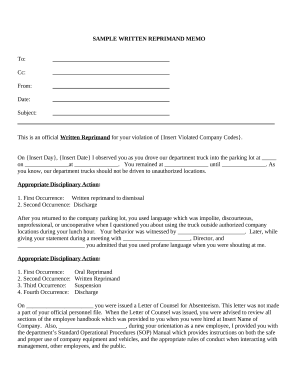
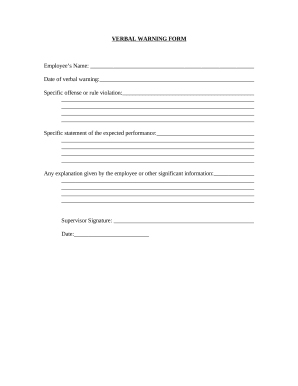
A verbal warning should be given as soon as possible after the basis for the verbal warning is identified. 2. Written Reprimand: A written reprimand should be administered and documented by the immediate supervisor. Written reprimands will become a part of an employees permanent record.
An employee write-up form should include the employees full name and employee number, the time and date of the write-up and specific incidents, a detailed reason for the write-up, witness accounts confirming the misconduct, and references to company policies that were violated, along with consequences.
The individual appointed to investigate the misconduct issue should collect all the evidence relevant to the case. This includes witness statements, any written documents and any other evidence that will help draw a comclusion.
5 steps to dealing with gross misconduct at work 1 - Have a clear disciplinary procedure policy in place. 2 - Conduct thorough investigations. 3 - Draw conclusions. 4 - Organise a disciplinary hearing. 5 - Letting team members appeal your decision.