
District Court Legal Forms

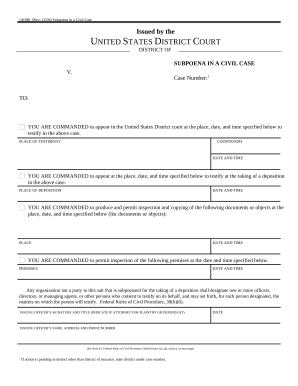
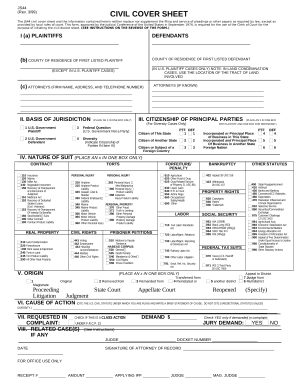
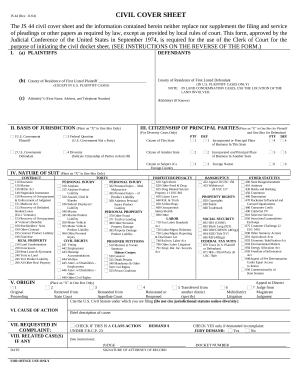
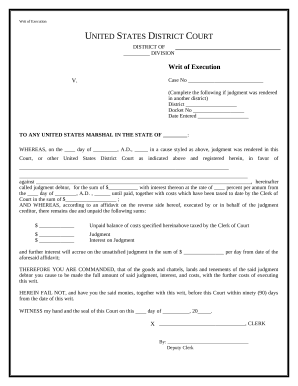

Get and handle District Court Legal Forms online
Improve your form operations with our District Court Legal Forms category with ready-made form templates that meet your requirements. Access the form template, alter it, complete it, and share it with your contributors without breaking a sweat. Start working more effectively with the documents.
How to use our District Court Legal Forms:
- Open our District Court Legal Forms and find the form you need.
- Preview your form to ensure it’s what you want, and click on Get Form to begin working on it.
- Change, add new text, or point out important information with DocHub features.
- Complete your form and preserve the adjustments.
- Download or share your document with other people.
Examine all of the opportunities for your online file management with the District Court Legal Forms. Get a free free DocHub account today!
Commonly Asked Questions about District Court Legal Forms
What is District Court in Arkansas?
In New South Wales there are three courts of general jurisdiction (the Local Court, the District Court and the Supreme Court) and several specialist courts (the Childrens Court, the Coroners Court, the Drug Court and the Industrial Relations Commission). NSW state courts | State Library of New South Wales nsw.gov.au books-online nsw-state-co nsw.gov.au books-online nsw-state-co
What are the five different types of courts in Arkansas?
In Arkansas, there are two federal district courts, a state supreme court, a state court of appeals, and trial courts with both general and limited jurisdiction. These courts serve different purposes, which are outlined in the sections below. Click a link for information about that court type.
How many federal district courts are there in Arkansas?
Organization of the court The United States District Court for the Eastern District of Arkansas is one of two federal judicial districts in Arkansas. Court for the District is held at Helena, Jonesboro, and Little Rock.
What is the difference between state district court and US district court?
State courts have general jurisdiction, meaning they have authority over all kinds of cases. Federal courts have limited jurisdiction and only hear matters involving federal questions and constitutional matters. State courts have jurisdiction over state laws.
What is the difference between circuit and district court in Arkansas?
District courts handle traffic violations, misdemeanor offenses, violations of state law and local ordinances, and civil matters involving personal property or contracts. The next level, circuit courts, are the trial courts. This includes jury trials with a 12-member jury, or bench trial with one judge presiding.
Related Templates

Manatee county authorized agent form
The document is an Authorized Agent Form for the Manatee County Building and Development Services Department, allowing a ...
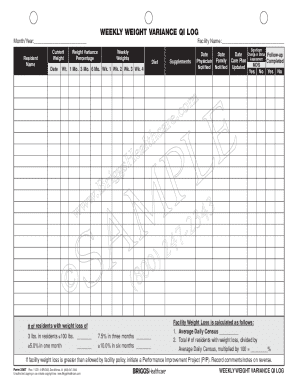
Weekly Weight Variance QI Log - DIGITAL FORM
The document is a Weekly Weight Variance Quality Improvement Log used to track and assess weight changes among residents ...

Mhhs org
The document is a Financial Information Form for patients seeking financial assistance. It outlines the necessary inform ...
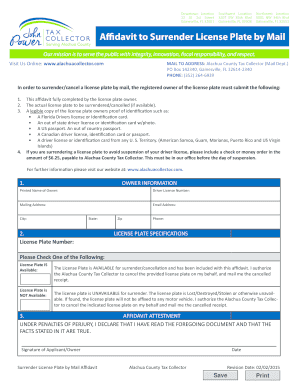
Affidavit to Surrender License Plate by Mail - Alachua County Tax
The document provides instructions for surrendering a license plate by mail to the Alachua County Tax Collector in Gaine ...

Instutition-Funded Special Bursary Application Revised27072015 docx
The UWindsor Institution-Funded Special Bursary Program (ISBP) provides financial assistance for part-time students with ...

Online Course Registration Form - PCP - The Canadian Payroll
The document is an Online Course Registration Form for the Canadian Payroll Association (CPA), detailing the registratio ...
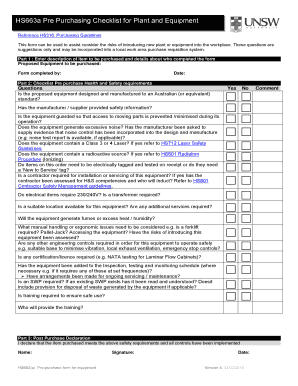
HS663a Pre Purchasing Checklist for Plant and Equipment
The document is a pre-purchasing checklist for plant and equipment, designed to assess health and safety risks associate ...