
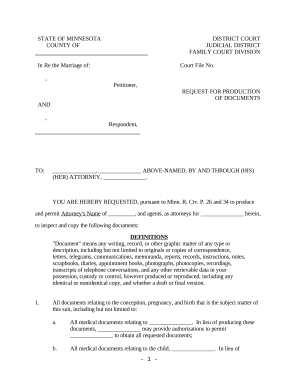
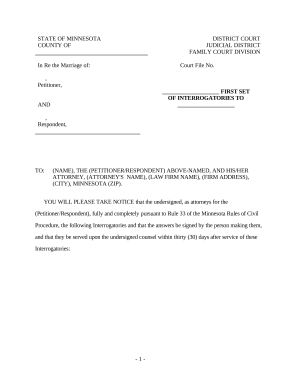
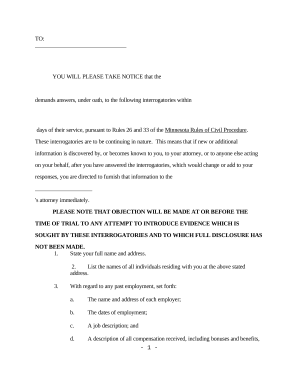
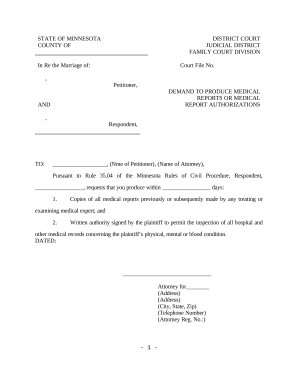
Manage Discovery Forms quickly online

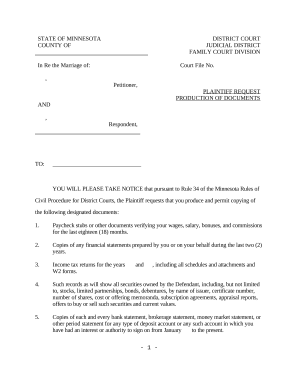
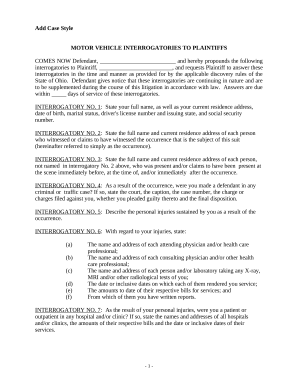
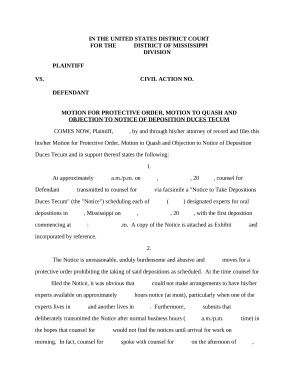
Document administration can overwhelm you when you can’t locate all of the documents you need. Fortunately, with DocHub's substantial form categories, you can discover everything you need and swiftly handle it without switching between apps. Get our Discovery Forms and start working with them.

The best way to manage our Discovery Forms using these basic steps:

  1. Browse Discovery Forms and choose the form you need.
  2. Review the template and click on Get Form.
  3. Wait for it to open in our online editor.
  4. Modify your template: include new information and pictures, and fillable fields or blackout certain parts if needed.
  5. Prepare your template, preserve alterations, and prepare it for delivering.
  6. When ready, download your form or share it with other contributors.

Try out DocHub and browse our Discovery Forms category with ease. Get your free profile today!

Video Guide on Discovery Forms management

video background

Commonly Asked Questions about Discovery Forms

Steps in a Trial It s designed to prevent trial by ambush, where one side doesn t learn of the other side s evidence or witnesses until the trial, when there s no time to obtain answering evidence. One of the most common methods of discovery is to take depositions.
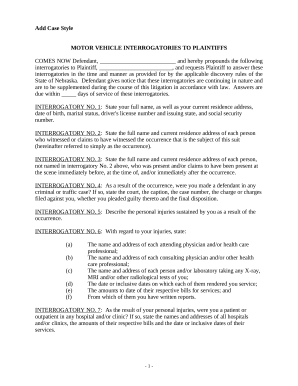
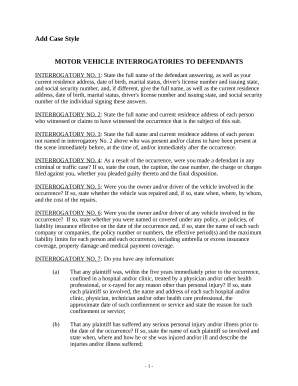
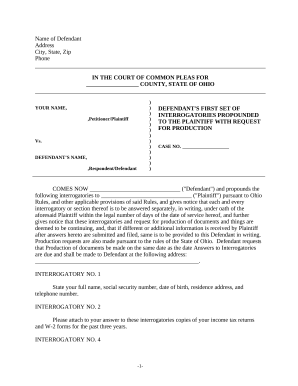
There are four main types of discovery requests: (1) depositions; (2) interrogatories; (3) requests for admissions; and (4) requests for the production of documents. Depositions are formal witness interviews.
Under most rules of civil procedure, discovery tools include: Depositions on oral or written questions. Written interrogatories. Production of tangible items. Physical and mental examinations. Requests for admission of evidence.
In the United States, there are five basic forms of discovery: depositions, interrogatories, requests for production of documents (or permission to inspect), physical and mental examinations, and requests for admission.
Depositions are probably the most powerful discovery tool. Depositions, however, can be extremely expensive and are not always necessary or appropriate.
Discovery may be carried out by directly asking a person questions (oral depositions), by sending a person written questions (interrogatories and depositions on written questions), and by requesting that the person provide documents (motions for production, subpoenas duces tecum).