Raise your output with Deed of Trust Templates

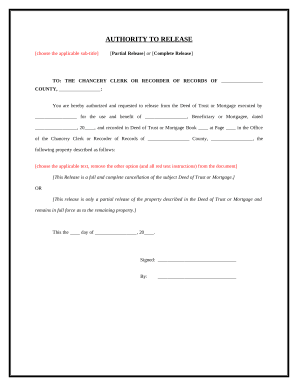
Record management consumes to half of your business hours. With DocHub, you can reclaim your time and effort and enhance your team's efficiency. Get Deed of Trust Templates online library and investigate all document templates related to your everyday workflows.

Easily use Deed of Trust Templates:

  1. Open Deed of Trust Templates and apply Preview to get the relevant form.
  2. Click Get Form to begin working on it.
  3. Wait for your form to open in the online editor and start editing it.
  4. Add new fillable fields, symbols, and images, modify pages, and many more.
  5. Fill your document or set it for other contributors.
  6. Download or share the form by link, email attachment, or invite.

Accelerate your everyday document management using our Deed of Trust Templates. Get your free DocHub profile right now to explore all forms.


Video Guide on Deed of Trust Templates management

video background

Commonly Asked Questions about Deed of Trust Templates

A deed of trust involves three parties: a lender, a borrower, and a trustee. The lender gives the borrower money. In exchange, the borrower gives the lender one or more promissory notes. As security for the promissory notes, the borrower transfers a real property interest to a third-party trustee.
There are two basic types of Deeds of Trust, the Long Form and the Short Form. The Long Form, which could be 20-30 pages long, is the one used by institutional lenders. The Short Form is the one that is most usually prepared by your Escrow Officer.
What Is Included in a Trust Deed? The identities of the borrower, lender, and trustee. A full description of the property to be placed in trust. Any restrictions or requirements on the use of the property while it is in trust. The terms of the loan, including principal, monthly payments, and interest rate.
How do trusts work? A trust is a fiduciary1 relationship in which one party (the Grantor) gives a second party2 (the Trustee) the right to hold title to property or assets for the benefit of a third party (the Beneficiary). The trustee, in turn, explains the terms and conditions of the trust to the beneficiary.
In a deed of trust, the borrower is called the trustor and the lender is the beneficiary. The trustee holds title to the property until the trustor has fully repaid the loan to the beneficiary, at which time the lender notifies the trustee, who then transfers full title of the property to the trustor.
A deed of trust has a borrower, lender and a trustee. The trustee is a neutral third party that holds the title to a property until the loan is completely paid off by the borrower. In most cases, the trustee is an escrow If you dont repay your loan, the escrow companys attorney must begin the foreclosure process.
A deed of trust will include the same type of information stated in a mortgage document, such as: The identities of the borrower, lender, and trustee. A full description of the property to be placed in trust. Any restrictions or requirements on the use of the property while it is in trust.
The main difference between a deed and a deed of trust is that a deed is a transfer of ownership, while a deed of trust is a security interest. A deed of trust is used to secure a loan, while a deed is used to transfer ownership of a property.