Enhance your productiveness with Connecticut Property Transfer Forms

Record management consumes to half of your business hours. With DocHub, it is easy to reclaim your time and effort and increase your team's productivity. Access Connecticut Property Transfer Forms online library and discover all templates related to your everyday workflows.

Easily use Connecticut Property Transfer Forms:

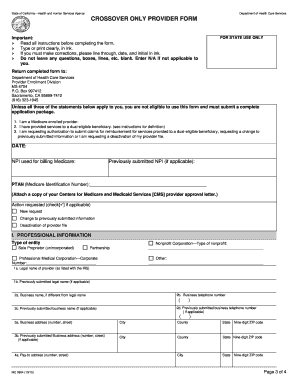
  1. Open Connecticut Property Transfer Forms and employ Preview to find the appropriate form.
  2. Click on Get Form to start working on it.
  3. Wait for your form to upload in our online editor and begin modifying it.
  4. Add new fillable fields, icons, and images, modify pages order, etc.
  5. Fill your file or set it for other contributors.
  6. Download or deliver the form by link, email attachment, or invite.

Speed up your everyday file management with our Connecticut Property Transfer Forms. Get your free DocHub account today to discover all templates.


Video Guide on Connecticut Property Transfer Forms management

video background

Commonly Asked Questions about Connecticut Property Transfer Forms

A property deed is a legal document that transfers the ownership of real estate from a seller to a buyer. For a deed to be legal it must state the name of the buyer and the seller, describe the property that is being transferred, and include the signature of the party that is transferring the property.
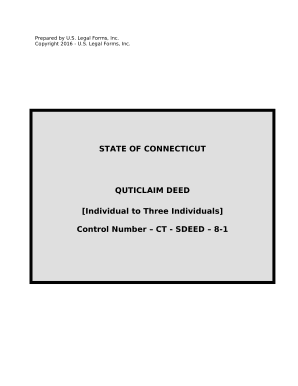
Adding someone to your house deed requires the filing of a legal form known as a quitclaim deed. When executed and docHubd, the quitclaim deed legally overrides the current deed to your home.
If you already owned the property prior to forming your LLC, you will need to transfer the title. Property titles are transferred by filing with the local county or other municipality. There will likely be a transfer tax to complete the process.
Transferring your property into an LLC can activate the due-on-sale clause of your mortgage, requiring the balance to be paid in full.
To transfer ownership of a Connecticut LLC, you must file an amendment to your Articles of Organization. The amendment must include the name and address of the new owner, and must be signed and dated by all parties involved.
It must be signed before a notary and two witnesses. The notary may be a witness, but the person receiving the ownership right cannot be a witness. In addition to the Deed, you will need a conveyance tax form. Although no tax will be due, you still need to complete the form.
Protects From Personal Liability You may own the LLC, but the LLC does not own you or your personal assets. When LLCs own a property, the owner of those LLCs are removed from any liability.