Improve your form administration with Rental nc Application Forms

Your workflows always benefit when you can easily locate all of the forms and files you require on hand. DocHub delivers a vast array of document templates to relieve your day-to-day pains. Get a hold of Rental nc Application Forms category and quickly browse for your document.

Start working with Rental nc Application Forms in several clicks:

  1. Gain access to Rental nc Application Forms and discover the document you require.
  2. Click on Get Form to open it in our editor.
  3. Start editing your document: add more fillable fields, highlight paragraphs, or blackout sensitive facts.
  4. The app saves your adjustments automatically, and after you are ready, you are able to download or distribute your file with other contributors.

Enjoy easy record managing with DocHub. Discover our Rental nc Application Forms online library and discover your form today!


Video Guide on Rental nc Application Forms management

video background

Commonly Asked Questions about Rental nc Application Forms

You can also file an action in small claims court. You can also sue before the problem is fixed and ask that the court allow you to withhold future rent to cover the costs (rent abatement).
How to be a landlord in North Carolina Preparing your North Carolina rental property. Research the North Carolina Landlord-Tenant laws. Advertise your rental property. Find the perfect tenant. Landlord Check-Ins Maintenance. Bonus: Learn About Taxes on Rental Income in North Carolina.
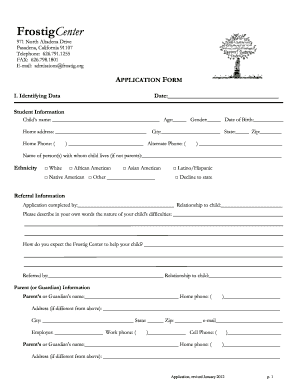
State laws do not set the exact application fee amount, but landlords are allowed to collect it. A landlord is also not required to refund this fee. The application fee is usually around $35-$75. This should include the credit report and background check along with the other application review services.
No, North Carolina does not impose a state-wide limit on how much a landlord can increase rent. Landlords are free to set and adjust rent prices as they deem necessary, provided they give proper notice, which is typically 30 days for month-to-month leases.