




01. Edit your form 1a massachusetts online
Type text, add images, blackout confidential details, add comments, highlights and more.

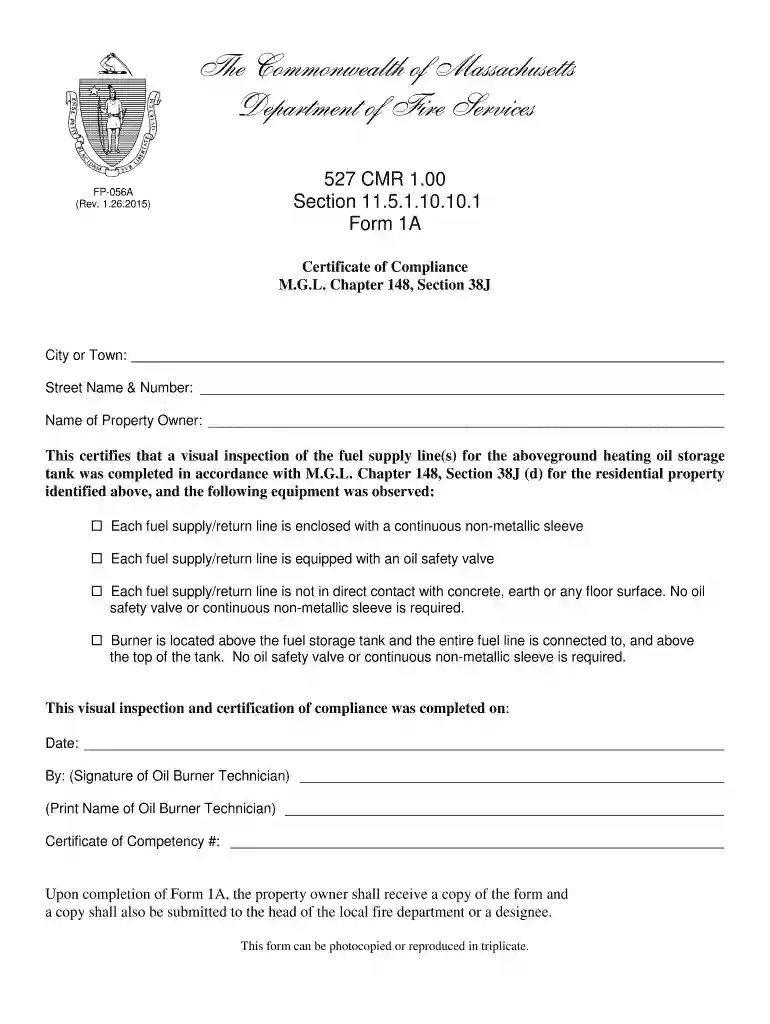
Type text, add images, blackout confidential details, add comments, highlights and more.

Draw your signature, type it, upload its image, or use your mobile device as a signature pad.

Send gic form 1a via email, link, or fax. You can also download it, export it or print it out.
The Massachusetts Form 1A is an essential tax document utilized primarily by residents of Massachusetts who are self-employed or operate small businesses. This form allows individuals to report their personal income and calculate the taxes owed to the state. Specifically designed for taxpayers who do not need to file a full tax return, the Form 1A streamlines the reporting process and simplifies compliance with state tax obligations. Understanding the form's purpose is crucial for those who wish to ensure correct filing and to avoid any potential penalties or complications.
This form typically incorporates critical personal information, including the taxpayer's name, address, Social Security number, and details about income sources. Additionally, it provides a framework for declaring various deductions and credits that may apply to the taxpayer's situation. This aspect of Form 1A can reduce the overall tax liability, making it a favored choice among eligible individuals.
To access the Massachusetts Form 1A, taxpayers can utilize several methods to ensure easy availability. The form can be obtained from the Massachusetts Department of Revenue's official website, where it's available for digital download. Additionally, many accounting firms or tax preparation services offer access to the form as part of their service offerings. Here are the steps to acquire the form:
Obtaining the form digitally is especially beneficial as it can be saved for future use or reference, allowing for easy updates each tax season.
Filling out the Massachusetts Form 1A involves several key steps that ensure accuracy and compliance with state regulations. The following sequence outlines the necessary stages:
Personal Information: Provide basic identifying information such as your name, address, and Social Security number. This section is critical for your tax identification.
Income Reporting: List all sources of income, including wages, interest, dividends, and any self-employment earnings. Ensure that all amounts are accurate and supported by relevant documentation.
Deductions and Credits: Identify any applicable deductions, such as those for business expenses, student loan interest, or retirement contributions. Understanding available credits can further reduce your tax liability and should be accurately claimed.
Calculating Tax Owed: Use the form's calculation features to determine the total tax owed or refund due. This process typically includes applying the state's tax rate to the total taxable income after deductions.
Final Review and Submission: Before filing, review the completed form for accuracy and completeness. Mistakes in entries can lead to delays or penalties. Once reviewed, submit the form online, by mail, or in person at the local revenue office, depending on the preferred method.
Each step demands careful attention to detail, as mistakes can lead to increased liability or audits.
Several key terms are essential for understanding the context and implications of the Massachusetts Form 1A. Familiarity with these concepts can aid taxpayers in navigating the filing process:
Taxable Income: This refers to the income portion that is subject to taxation after all eligible deductions are applied. Understanding what constitutes taxable income is crucial for accurate reporting.
Deductions: These are specific expenses that can be subtracted from total income to reduce taxable income. Common examples include business expenses, student loans, and mortgage interest.
Credits: Credits directly reduce the amount of tax owed, unlike deductions that reduce taxable income. Examples include education credits or earned income credits.
Filing Status: This determines the applicable tax rate and eligibility for tax benefits. Options typically include single, married filing jointly, or head of household.
Penalties: The fees assessed for failing to comply with tax laws or for incorrect filings. Understanding potential penalties motivates taxpayers to ensure accuracy in submissions.
Knowledge of these terms enhances comprehension of the form’s requirements and consequences of non-compliance.
The Massachusetts Form 1A carries specific legal implications and is intended to comply with state tax codes. It is crucial for residents to be aware of the legal framework surrounding this form to avoid misfiling or legal repercussions. The form must be completed accurately and submitted by the designated filing deadline each tax year.
Misuse of the form, such as submitting false information or incorrect claims, can lead to legal actions, including fines or criminal charges in severe cases. Additionally, the form's information is kept confidential and is only shared with authorized agencies for tax compliance purposes. Understanding the legal responsibilities associated with Form 1A is vital for ensuring that filing is done ethically and according to Massachusetts law.
By familiarizing themselves with these facets, taxpayers can feel more confident in their ability to file accurately and understand the significance of compliance in their financial obligations to the state.
At DocHub, your data security is our priority. We follow HIPAA, SOC2, GDPR, and other standards, so you can work on your documents with confidence.
Jan 9, 2026 The MA Group Insurance Commission Status/Change Form (GIC Form 1a) is completed and submitted to UMass Amherst Human Resources when applying to retire.Read more
Upon completion of Form 1A, the property owner shall receive a copy of the form and a copy shall also be submitted to the head of the local fire department or aRead more
by R Engineer 2006 Cited by 40 This report was prepared under contract to the Department of Defense Strategic. Environmental Research and Development Program (SERDP).Read more


