







Definition and Meaning of Form Affidavit Execution
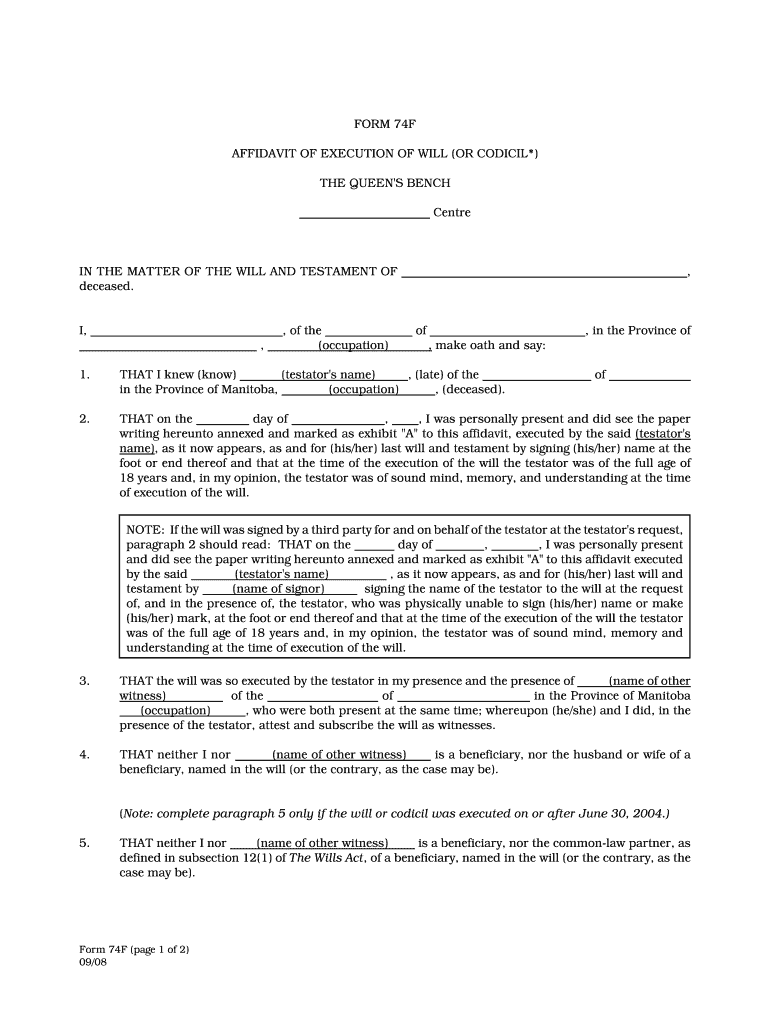
An affidavit of execution is a sworn statement that serves to affirm the proper signing of a document, such as a will or contract, in the presence of witnesses. This legal instrument is essential in validating the authenticity of the execution process and ensuring that the signatories acted voluntarily and with the necessary mental capacity. Often required in legal proceedings, it provides a formal record affirming that all conditions for valid execution were met, according to specific legal standards.
Key Components of an Affidavit of Execution
- Affiant Information: The individual's name who signs the affidavit, often a witness to the original document.
- Details of the Document: Specific information about the document in question, including its title and date of execution.
- Witness Details: Information about the witnesses present at the signing, confirming their identity and relationship to the parties involved.
- Signatures: The affiant's signature, along with any necessary acknowledgments or notarizations that validate the affidavit.
Why Should You Use a Form Affidavit Execution?
Using a form affidavit execution is crucial for legal clarity and protection. Here are several reasons why it is often necessary:
- Validity Confirmation: It serves as proof that a document was signed in accordance with legal requirements, reducing the risk of disputes later on.
- Documentation for Probate: In scenarios involving wills, an affidavit of execution supports the probate process and helps establish that the will reflects the true intentions of the deceased.
- Estate Management: It can be instrumental in managing an estate by providing a clear and legally accepted record of how a will or similar document was executed.
- Facilitates Legal Proceedings: Courts often require an affidavit of execution for legal actions concerning contested documents, making it essential for any litigant relying on such documents.
Steps to Complete the Form Affidavit Execution
Filling out an affidavit of execution requires careful attention to detail to ensure accuracy and legal compliance. Follow these steps for completion:
- Identify the Parties Involved: Begin by entering the name of the affiant, the document being affirmed, and any witnesses.
- Gather Necessary Information: Collect relevant details about the signing event, including the date and location.
- Document the Witnesses: Specify the names and signatures of witnesses who were present during the execution, confirming their ability to attest to the signing.
- Draft the Affidavit: Prepare the affidavit statement, including the purpose of the document and affirmation of the witnessing circumstances.
- Sign and Notarize: The affiant must sign the affidavit in the presence of a notary public, who will then authenticate the document.
Required Elements for Completion
- Full names and addresses of the parties involved
- Date of execution
- Detailed witness testimony
- Notary signature and stamp
Important Terms Related to the Form Affidavit Execution
Understanding key legal terms associated with an affidavit of execution can provide clarity on its use and implications:
- Affiant: The person making the affidavit, usually a witness to the signing.
- Execution: The act of signing a document that gives it legal effect.
- Notarization: The process of having a document validated by a notary public, enhancing its legal standing.
- Testator/Testatrix: An individual who makes a will, whose intentions are affirmed through the affidavit.
Examples of Using the Form Affidavit Execution
Affidavits of execution have various applications in legal proceedings. Here are a few common examples:
- Wills: In probate cases, an affidavit may be needed to ensure that a will was signed properly, especially when the validity is questioned.
- Contracts: For business agreements, a form affidavit execution can secure the signing process, confirming that all parties consented.
- Real Estate Transactions: When transferring property, an affidavit of execution can provide assurance that all necessary documents were executed correctly, protecting the interests of all parties involved.
Real-World Scenarios
- A family contesting a will needs an affidavit to validate its execution for probate proceedings.
- Business partners require an affidavit to prove that a partnership agreement was executed with the consent of all involved parties.
State-specific Rules for the Form Affidavit Execution
Legal rules surrounding affidavits of execution can vary from state to state. It is crucial to be aware of these variations to ensure compliance. Here are some state-specific considerations:
- Witness Requirements: Some states require multiple witnesses, while others may permit a single witness.
- Notary Requirements: Certain jurisdictions mandate notarization, while others may have alternative verification methods.
- Filing Procedures: Understanding whether an affidavit must be filed with a court or simply retained with the original documents is essential to avoid potential legal pitfalls.
Overview of Variations
- California: Typically requires two witnesses for a will affidavit, with notarization recommended but not always necessary.
- New York: Generally insists on notarized affidavits for any document requiring legal verification, including estate documentation.
- Texas: Allows for informal witness affidavits but requires them to adhere to state specifications for acknowledgment and validation.


