




01. Edit your positive behavior support plan examples pdf online
Type text, add images, blackout confidential details, add comments, highlights and more.

Type text, add images, blackout confidential details, add comments, highlights and more.

Draw your signature, type it, upload its image, or use your mobile device as a signature pad.

Send behavior support plan template via email, link, or fax. You can also download it, export it or print it out.
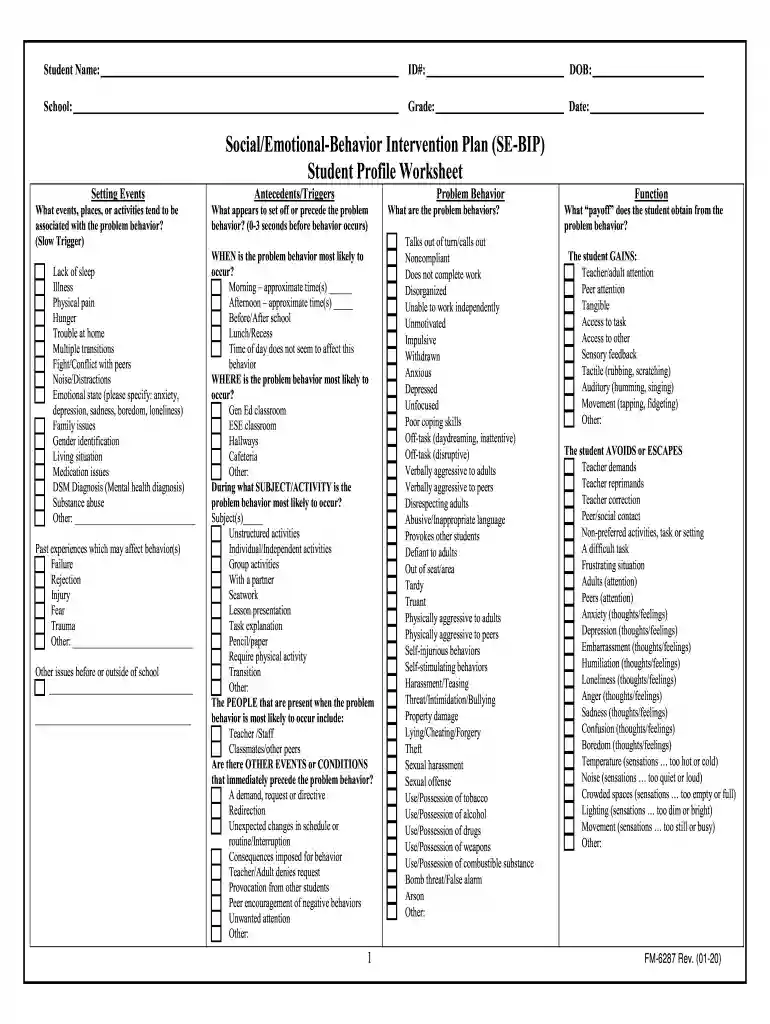
Positive behavior support plan templates fill in the blanks are structured tools designed to facilitate the development of individualized behavior support plans. These templates serve as a foundational framework that educators and practitioners can use to document and outline strategies tailored to manage and improve student behavior effectively. By providing a systematic method for capturing essential details, these templates ensure that all necessary components of a behavior support plan are addressed.
Typically, a positive behavior support plan focuses on identifying specific behaviors that require intervention, understanding their triggers, and outlining strategies to encourage positive behavior. The templates often include sections for defining the target behavior, setting goals, and specifying interventions and supports. By filling in these standardized forms, educators can create a comprehensive and cohesive approach to behavior management that is aligned with best practices in the field.
Understanding the critical elements of positive behavior support plan templates is essential for their effective utilization. Key components generally include:
Identification of Target Behavior: Clearly defining the behavior that requires intervention is paramount. This section often includes specifics about the frequency, intensity, and context of the behavior.
Functional Assessment: This part involves analyzing the antecedents and consequences that contribute to the behavior. Understanding the underlying reasons for the behavior enables educators to address the root causes effectively.
Intervention Strategies: The template typically includes a section outlining specific strategies that will be implemented to encourage positive behavior. This could involve preventative measures, teaching alternative behaviors, or modifying the environment.
Goals and Objectives: Setting measurable and attainable goals allows for monitoring progress. This component often outlines desired outcomes over a specified timeframe.
Evaluation Criteria: Including assessment metrics is crucial. This section describes how the effectiveness of the interventions will be evaluated and adjusted as necessary.
By ensuring these elements are adequately addressed, practitioners can create plans that are both actionable and measurable, leading to improved outcomes for students.
Utilizing the positive behavior support plan templates involves a systematic process. Here is a step-by-step guide to effectively use these templates:
Gather Necessary Information: Collect data pertaining to the student's behavior, including past behavior incidents, feedback from teachers, and any relevant assessment results. This background information will inform your understanding of the behavior.
Fill in the Templates: Begin completing the template by entering information into each section. Provide detailed descriptions of the target behavior, context, and any triggers identified. Use specific examples to clarify the behaviors being addressed.
Develop Intervention Strategies: Based on the information gathered, outline appropriate intervention strategies within the designated section of the template. Make sure these strategies are tailored to the individual needs of the student.
Set Goals: Collaboratively determine achievable goals with the student's input if possible. These goals should be clearly defined and time-bound to facilitate later evaluation.
Regularly Review and Adjust: After implementing the plan, regularly monitor the student’s progress. Use the evaluation criteria outlined in the template to assess effectiveness and make adjustments as necessary.
Following this systematic approach ensures that the positive behavior support plan is comprehensive, individualized, and effectively addresses the identified behavioral needs.
Familiarity with key terminology used in positive behavior support plans enhances comprehension and communication among educators and support staff. Important terms include:
Functional Behavior Assessment (FBA): A systematic process for identifying the underlying reasons for specific behaviors, focusing on the context and function of the behavior rather than just the behavior itself.
Antecedents: Events or conditions that occur before a behavior, potentially triggering it. Identifying antecedents can help in crafting proactive strategies to prevent the undesired behavior.
Reinforcement: Consequences that strengthen the likelihood of a behavior recurring. Positive reinforcement encourages desirable behaviors, while negative reinforcement involves the removal of an unpleasant stimulus.
Intervention: Actions taken to support positive behavior change, which could include teaching alternative behaviors, modifying environments, or providing support systems.
Understanding these terms ensures effective communication among educators and enhances the development and implementation of behavior support plans.
Illustrative examples can clarify the practical application of these templates. Consider the following scenarios:
Scenario 1: Elementary School Student
A student frequently disrupts the class during instruction. The positive behavior support plan template identifies the target behavior as "interrupting during lessons." In the functional assessment section, it notes that the student seems to interrupt when they are disengaged or when they must wait to speak. The intervention strategies listed include providing the student with a "talking stick" to allow them to contribute without disrupting others, along with positive reinforcement for waiting their turn.
Scenario 2: High School Student
A high school student struggling with anxiety often avoids participating in group projects. The template outlines avoidance behavior as the target. The functional assessment highlights that increased anxiety occurs in group settings. Intervention strategies include gradual exposure to group activities with supportive peers and setting up a system for the student to communicate their comfort level during group work, along with reinforcement for participation.
Such examples demonstrate how tailored interventions, developed through the use of these templates, can lead to positive behavioral outcomes for students across different educational contexts.
We've got more versions of the positive behavior support plan examples pdf form. Select the right positive behavior support plan examples pdf version from the list and start editing it straight away!
At DocHub, your data security is our priority. We follow HIPAA, SOC2, GDPR, and other standards, so you can work on your documents with confidence.
This template is included after this slide. This template will help teams develop the competing behavior pathway. This is a visual representation of theRead more
Sample Behavior Support Plan Template. Individual: DOB: Plan Date: Include date of initial plan and at least most current update. Must be updated annually.Read more
They are short narratives that depict personal accounts from individuals in the intervention population who have made or are planning to make positive changes.Read more


