



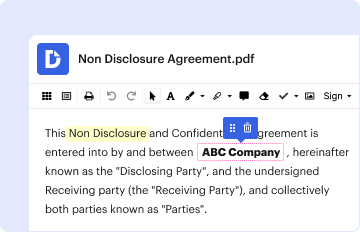
01. Edit your id 426 form pdf online
Type text, add images, blackout confidential details, add comments, highlights and more.

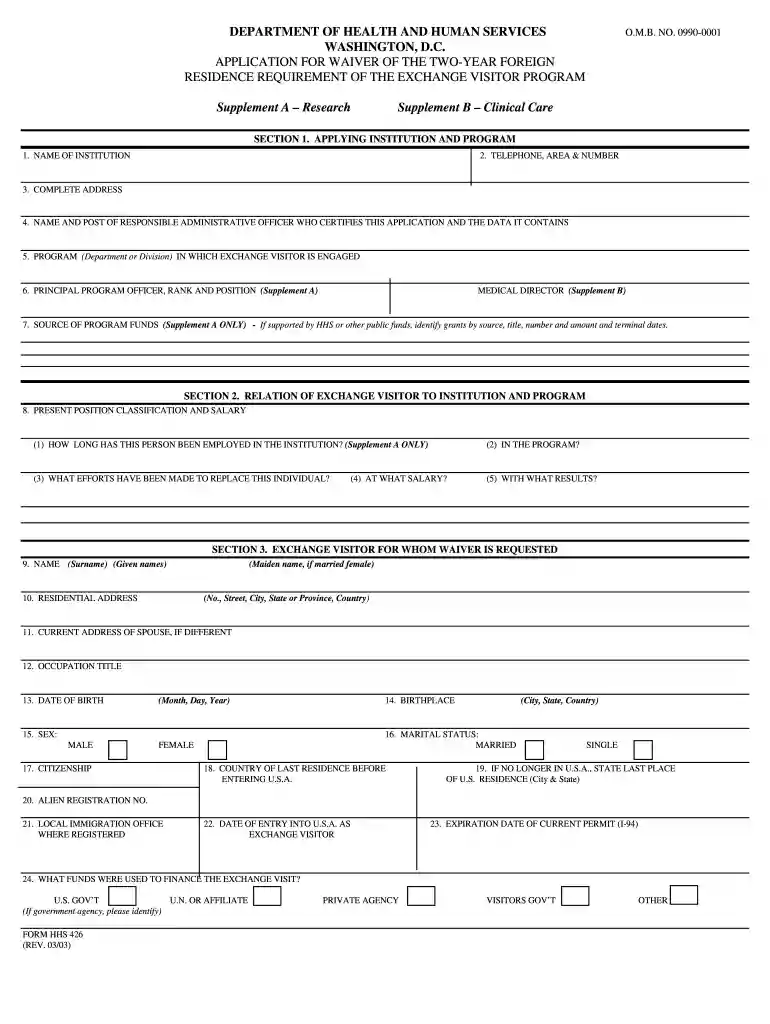
Type text, add images, blackout confidential details, add comments, highlights and more.
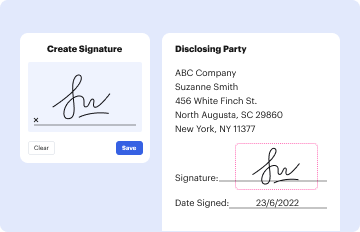
Draw your signature, type it, upload its image, or use your mobile device as a signature pad.

Send id 426 form download via email, link, or fax. You can also download it, export it or print it out.
The Form 426 Supplement Form is specifically used within the context of immigration requests in the United States. It serves as an additional document to provide necessary details related to an applicant’s eligibility for a waiver of the two-year foreign residence requirement. This requirement applies to exchange visitors in the U.S. who have participated in certain exchange programs. The supplement form aids in gathering comprehensive information to support the waiver request efficiently.
The form collects key personal details, including:
These details are essential for immigration authorities to assess the merits of the waiver request.
Completing the Form 426 Supplement Form involves a straightforward process that requires careful attention to detail. Follow these steps for accurate submission:
Gather Required Information
Fill Out the Form
Detail Your Exchange Program
Review Your Employment and Education History
Check for Completeness
Submit the Form
These steps ensure that your application is complete and maximizes the chances of approval.
When submitting the Form 426 Supplement Form, certain supporting documents are mandatory. These documents provide context and proof regarding the claims made in the application. Key requirements include:
Proof of Participation in the Exchange Program
Personal Identification Documents
Evidence of Residency
Payment Receipts
These supporting documents need to be clear, legible, and relevant to substantiate the information provided in the application.
Completing the Form 426 Supplement Form correctly is crucial, as errors may lead to processing delays or denials. Here are common mistakes to avoid:
Incomplete Fields
Incorrect Information
Lack of Supporting Documentation
Poorly Scanned Documents
Being mindful of these common pitfalls ensures a smoother application process.
Understanding the eligibility criteria for submitting the Form 426 Supplement Form is essential. The following factors determine whether you qualify for a waiver of the two-year residency requirement:
Type of Program
Intent to Return
Serious Hardship
Public Interest
Fulfilling these criteria increases your likelihood of a successful waiver application.


Not adhering to the requirements tied to the Form 426 Supplement Form can have serious consequences. Non-compliance can lead to:
Denial of Waiver Application
Impact on Future Applications
Legal Consequences
It is critical to understand these implications to remain compliant with immigration requirements.
We've got more versions of the id 426 form pdf form. Select the right id 426 form pdf version from the list and start editing it straight away!
| Versions | Form popularity | Fillable & printable |
|---|---|---|
| 2003 | 4.9 Satisfied (431 Votes) |
At DocHub, your data security is our priority. We follow HIPAA, SOC2, GDPR, and other standards, so you can work on your documents with confidence.
Warning: This equipment complies with the requirements in Part 15 of. FCC rules for a Class A computing device. Operation of this equipment in a.Read more
When you sign this form you are giving the Department of Defense permission to release information to USCIS to complete the adjudication of your naturalizationRead more


