




Here's how it works
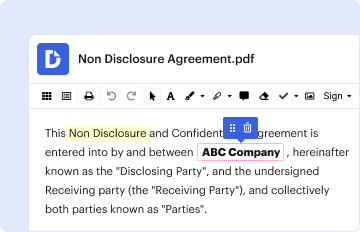
01. Edit your nj judgment search online
Type text, add images, blackout confidential details, add comments, highlights and more.
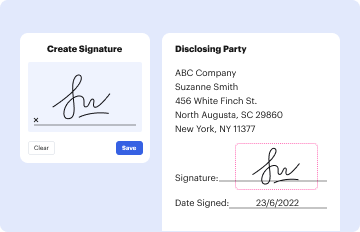
02. Sign it in a few clicks
Draw your signature, type it, upload its image, or use your mobile device as a signature pad.

03. Share your form with others
Send nj offer of judgment form via email, link, or fax. You can also download it, export it or print it out.
How to use or fill out New Jersey Judgment with our platform

- Click ‘Get Form’ to open the New Jersey Judgment document in the editor.
- Begin by entering the Plaintiff or Filing Attorney Information. Fill in your name, NJ Attorney ID Number, address, and telephone number accurately.
- Next, specify the Superior Court of New Jersey details. Select the Law Division Part and County where the judgment is filed.
- Input the Docket Number associated with your case. This is crucial for tracking your judgment.
- In the section labeled 'Warrant to Satisfy Judgment', enter the date of judgment, names of both parties involved, and the amount of judgment including interest and costs.
- Sign and date where indicated as the Judgment Creditor or Attorney for Judgment Creditor. Ensure that you print or type your name below your signature.
- Finally, review all entries for accuracy before saving or exporting your completed form for submission.
Start using our platform today to streamline your New Jersey Judgment form completion for free!
Fill out new jersey judgment online
It's free
It's free
Got questions?
We have answers to the most popular questions from our customers. If you can't find an answer to your question, please contact us.
Contact us
What happens if you have a judgement against you in New Jersey?
The creditor will likely try to collect the amount of the judgment from you. This can happen in several ways. If you are employed, the creditor may obtain a court order to garnish you wages which will mean a certain amount of money will be deducted from your paychecks until the full amount of the judgment is paid.
What is the statute of limitations on a judgement in New Jersey?
The statute of limitations on a judgment is 20 years not six. Further, a creditor can renew the judgment. Also, he said, there is an exception to NJ Statute of Limitation law. The six-year statute of limitation does not apply to contracts between merchants or a sale of goods under NJs Commercial Code.
How long before a debt becomes uncollectible in NJ?
Statute of Limitations in New Jersey In other words, the NJ statutes of limitations on mortgage debt, medical debt, credit card debt, and state tax debt is six years. This means that if you havent been active on an account in six or more years, your creditor and debt collectors cannot sue you for it.
What happens if a defendant does not pay a judgment in NJ?
In most states, judgments last 510 years. However, in some states, like New York, they can be enforced for up to 20 years. State law determines how long a money judgment lasts. 💸 A money judgment is the most common type of judgment.
How long is a Judgement good for in NJ?
The Court held that the Fourth Amendments prohibition on unreasonable searches and seizures is not limited solely to the actions of law enforcement personnel. It also applies to the conduct of public school officials. Public school teachers act as agents of the state, and not merely agents of the students parents.
Security and compliance
At DocHub, your data security is our priority. We follow HIPAA, SOC2, GDPR, and other standards, so you can work on your documents with confidence.
Learn more


