




Definition and Significance of the Vaccine Inventory Log Sheet
A vaccine inventory log sheet is a critical document used by healthcare providers to track vaccine stocks systematically. This log is essential for effective vaccine management, ensuring that all doses administered are accounted for and that inventory levels are maintained within optimal parameters. The clarity and accuracy of this record facilitate state and federal reporting requirements and ensure compliance with public health guidelines.
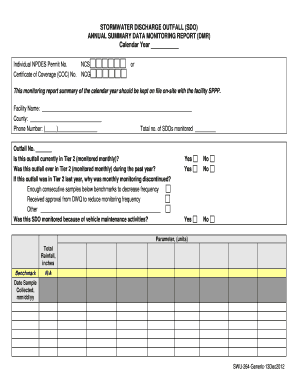
This log sheet typically includes sections for vital information such as:
- Facility Information: Name and address of the facility managing the vaccine inventory.
- Vaccine Details: Types of vaccines, their manufacturers, and lot numbers.
- Expiration Dates: Dates by which vaccines must be used or discarded to maintain efficacy.
- Total Doses: Quantities available, administered, and remaining to aid in inventory turnover.
Maintaining a precise inventory log sheet is essential not just for operational efficiency but also for patient safety, as it directly affects vaccine effectiveness and availability.
Steps to Complete the Vaccine Inventory Log Sheet
Completing a vaccine inventory log sheet can seem daunting, but it can be streamlined by following clearly defined steps. Here are the essential stages to effectively manage this process:
-
Gather Required Information: Before filling out the log, collect information on all vaccine types in stock, including lot numbers and expiration dates.
-
Enter Facility Information: Record your facility's name, address, and contact information at the top of the log sheet for reference.
-
List Vaccine Types: For each vaccine received, document the name, manufacturer, and corresponding lot number. This information is crucial for tracking and reporting.
-
Record Expiration Dates: Note the expiration date for each lot, ensuring the data is up-to-date to prevent the use of expired doses.
-
Document Inventory Levels: Include the total number of doses received, administered, and any remaining stock. It is advisable to update this information regularly to keep a real-time inventory.
-
Finalize the Log: Once all information is recorded, review the sheet for accuracy and ensure that it complies with state-specific reporting requirements before submitting or storing the document.
Regularly following this procedure enhances vaccine tracking and inventory management, ensuring compliance with health regulations.
Key Elements of a Vaccine Inventory Log Sheet
The effectiveness of a vaccine inventory log sheet stems from its well-defined structure. Key elements of the log sheet include:
-
Vaccine Identification: Clear identification of vaccine types, including brand and lot numbers to facilitate tracking.
-
Storage Conditions: Information about storage conditions is critical, as it can influence the viability of the vaccines. Documenting temperature logs can help maintain compliance with safety regulations.
-
Usage Tracking: Recording details of doses administered helps avoid stock discrepancies and provides data for reporting to health authorities.
-
Inventory Adjustments: Spaces for making notations about damaged or expired doses or any adjustments made to the existing inventory.
-
Audit Trails: A clear log of when and by whom entries were made or adjusted facilitates audits and ensures accountability.
Incorporating these elements into a vaccine inventory log sheet not only ensures thorough record-keeping but also promotes efficient inventory management practices in healthcare settings.
Who Typically Uses the Vaccine Inventory Log Sheet?
Various stakeholders within the healthcare environment utilize the vaccine inventory log sheet to maintain accurate records of vaccine distribution and administration. Typical users include:
-
Healthcare Providers: Clinics, hospitals, and community health organizations that administer vaccines.
-
Pharmaceutical Distributors: Entities responsible for the supply chain management of vaccines, ensuring timely delivery to healthcare facilities.
-
Public Health Officials: Government agencies that monitor vaccine distribution to ensure compliance with public health policies and promote vaccination efforts within the community.
-
Vaccine Administrators: Individuals directly administering vaccines who require accurate inventory information to be effective in their roles.
Each of these users plays a vital role in ensuring that vaccines are delivered safely and efficiently to those in need.


Legal Use of the Vaccine Inventory Log Sheet
The vaccine inventory log sheet is not just a best practice; it is often a requirement under public health law. Legal implications include:
-
Regulatory Compliance: Health authorities mandate accurate record-keeping of vaccine storage and administration to ensure public safety and traceability in case of adverse events linked to vaccines.
-
Funding Eligibility: Facilities participating in government-funded vaccination programs must provide evidence of proper inventory management through these logs.
-
Liability Protection: A well-maintained log can serve as a defense in case of legal disputes arising from vaccine usage or adverse reactions by demonstrating adherence to best practices.
Facilities should be aware of relevant local, state, and federal regulations guiding their use of vaccine inventory log sheets to maintain compliance and uphold public health standards.
Examples of Utilizing the Vaccine Inventory Log Sheet
Effective vaccine management is showcased through real-world examples of using a vaccine inventory log sheet. Common scenarios include:
-
Flu Vaccination Drives: During seasonal flu vaccination campaigns, healthcare organizations use the log to document the intake and administration of various flu vaccines, ensuring no stock goes wasted and all administered doses are tracked.
-
COVID-19 Vaccination Clinics: During mass vaccination efforts, detailed tracking of vaccine types, administration dates, and recipient information via the inventory log sheet proves essential for effective distribution and follow-up.
-
Emergency Preparedness: In the event of a public health emergency, having an accurate vaccine inventory log allows organizations to mobilize quickly and ensure adequate supplies are available for rapid vaccination efforts.
Examples like these highlight how maintaining comprehensive logs can facilitate effective responses during health crises and contribute to overall public health management.